2021 in books (April – June)

Books

Where does the time go?

The last few months have been incredibly busy. Live performances might still be few and far between (only one so far this year) but upcoming changes to my music therapy work have kept me in the office more than usual. I found myself lacking the energy or will to read at times, but lie most things in life, this too passed…

Here are the books I did manage to read in the last three months. They’re a bit of a mixed bag. More than ever, they made me think about other books I’ve read, some of which I have recommended below at appropriate points. Let’s dive in…

A moveable feast by Ernest Hemingway (1964, Vintage)

Hemingway’s account of his time in Paris, from around 1920-1926, was written in the last years of his life, at a distance of over three decades. It gives some insight into his method of working, at least at the time, as well as his opinions on other famous figures whom he came into contact with, including Scott F. Fitzgerald, Gertrude Stein and Sylvia Beach (proprietor of the famous Shakespeare & Co. bookstore on Paris’ Left Banke).

This memoir is an interesting dive into one period of the life of a man considered to be one of the Great American Novelists. It paints a strong picture of the streets and scenes of the City of Light during the so-called ‘Roaring Twenties’. However, don’t rely on it as a guide book. Almost a century on, Paris has changed, making this book of short, descriptive chapters something of a time capsule.

This book is one of many I’ve read about Paris, the ‘City of Light’. Despite their proximity to Britain and the intertwining histories of both nations, there’s so much to be learned from looking into the past of one of the UK’s closest neighbours. Other books on France and Paris which might be worth your time:

  • For a more up to date and light-hearted look at France’s wonderful capital, try Paris Revealed by Stephen Clarke. Chapters are divided by subject such as food, addrosiments, apartments and the Parisiennes themselves, all from the loving but bemused perspective of a Brit who has lived there for years (2011, Black Swan)
  • The Little Pleasures of Paris, meanwhile, is more of a small coffee-table book. Author Leslie Jonath divides the things she adores about the City of Light into four sections; one for each season. Each entry is short, but accompanied by beautifully chic illustrations by Lizzie Stewart (2016, Chronicle)
  • Jeremy Mercer’s Bedbugs and Baguettes is partly the memoirs of his time in Paris, and partly the history of where he ends up staying, the famous Left Banke bookshop Shakespeare & Co (named after the original shop, which had closed years before), as well as its colourful owner, George. One for bibliophiles (2007, Magna)
  • For a more general overview of the nation’s history, Modern France by Jonathan Fenby offers a fascinating insight into the how France got to where it is now, starting with the revolution of 1789 (2015, Simon and Schuster)

I am Pilgrim by Terry Hayes (2013, Transworld)

Loaned to me by a friend, this fast-paced thriller is the debut novel of the screenwriter behind Mad Max 2, Dead Calm, Payback and From Hell, among many others. Two quotes from John Le Carre and Raymond Chandler at the preface of this book highlight Hayes’ influences in the world of espionage and detective fiction. View these alongside the many Clancy/Grisham style thrillers (which often end up being remade into the sort of film he’d write the screenplay for) and you have the measure of this novel.

Saying that, this is a good book. It’s 888 pages are divided into four parts, each of which is made up of short chapters that left me wanting to read ‘just one more’ before setting the book down for the night. Part one features a lot of flashback or scene-setting chapters that initially made me wonder exactly where this book was going. However, Hayes does a good job of tying up pretty much every thread in this novel. Very little is remains a mystery by the end of the book. If that’s something you like to see in your thrillers, give this book a go. Don’t expect a deep examination into the soul of humanity, or even genuine development of any of the side characters (or even the main protagonist narrating in first-person, for that matter). But be assured that the story is gripping.

Shylock is my name by Howard Jacobson (2016, Vintage)

Another Shakespeare adaptation, this time retelling The Merchant of Venice. Shylock is a challenging antagonist for modern audiences uncomfortable (and rightly so) with the antisemitism throughout the Bard’s original play. Jacobson won the Man Booker prize in 2010 for The Finkler Question, a novel which explores the author’s experience as a British Jew (you can read my short review for that book here), but has also written on heroes from Shakespeare’s plays. Perhaps this reimagining of Shylock was the next logical step?

As you may have read previously, I had mixed feelings about The Finkler Question, and this novel leaves me with a similar feeling of dissatisfaction. It’s an interesting concept and a good story with lovely, funny moments in it, but overall, it felt like it wasn’t quite good enough. Fans of Jacobson will love this book, but it’s not high on my list of recommendations.

England’s forgotten past by Richard Tames (2010, Thames & Hudson)

The full title of this small (185 pages), fact-filled book is almost a chapter in itself: England’s forgotten past: the unsung heroes & heroines, valiant Kings, great battles & other generally overlooked episodes in our nation’s glorious history. It’s eight chapters are subdivided further, with various ‘fact boxes’ and illustrations along the way. As well as bringing lesser known characters and events from English history to light, Tames also sets the record straight on some common misconceptions. Worth a read for the casual history fan, although it’s brevity might make one feel as if they are reading a collection of factoids, such as those published by the BBC factual/comedy quiz QI (or Quite Interesting, to give the show’s full title).

Publisher Thames & Hudson have a wealth of interesting titles which, similarly to England’s Forgotten Past, offer brief glimpses into less well-examined areas of history. Of those I have read (and there several more on my ‘to buy list), personal favourites include:

  • Shakespeare’s London on 5 Groats a Day, also by Tames (2018), looks at the alehouses and streetlife of London during the Bard’s lifetime. Taking in everyone from “courtiers to cut-throats” and of course, the dramatists and actors who were Shakespeare’s colleagues and contemporaries, we get the interesting perspective of medieval history from street level
  • Histories of Nations: how their identities were forged (Ed. Peter Furtado, 2012) features contributions from numerous writers, usually focusing on one small facet of a country’s history and how it helped create, or reflects, the nation we might recognise today
  • The Great Cities in History (Ed. John Jules Norwich, 2009) is another brilliant collection of short essays by various writers. Divided into four parts (ancient, medieval, early modern & modern), each chapter focuses on a city in its heyday, from Thebes in the Golden Age of Egypt to present day Shanghai as “China’s Super-City”
  • Finally, History Day By Day (Peter Furtado, 2019) is a collection of quotes from history for every day of the year. The 366 voices compiled range from Joan of Arc to JFK, and Galileo to Gandhi, bringing history to life through the words of those who lived it

The algebraist by Iain M. Banks (2004, Orbit)

Banks was well known for holding down two slightly different fiction writing careers: ‘regular’ fiction such as debut novel The Wasp Factory as Iain Banks, and science fiction with the middle initial ‘M’. Most of his sci-fi output was his epic & complex Culture series. But this novel is one of his few standalone sci-fi stories.

Having read most of the Culture novels, I knew roughly what to expect and everything which makes that series so popular is present here, except for artificial intelligence (which is illegal in this story). Instead we get a very descriptive sort-of thriller inside a space opera, centered around varying species of life: the “quick”, who’ve only been round for mere thousands of years such as us, and the “slow” – jellyfish-like creatures inhabiting gas giants and almost as old as the galaxy itself. If you can get on board with that concept and the speculation which comes with it, then you’ll probably enjoy this book. I can see similarities between this and I Am Pilgrim, although this sci-fi novel has considerably longer chapters and isn’t quite as quick a read.

So there we are for now. As always, get in touch with your own thoughts and recommendations for future reading. I’ve had some great book chats with a few folk since I started cataloguing my ‘fun reading’ and my list of books to read is getting longer every week.

I’m already into the books which will be featured next time. Expect music, history, travel and an extraordinary adventure in search of a good coffee…
Italy in small details (2)

Poetry & Writing

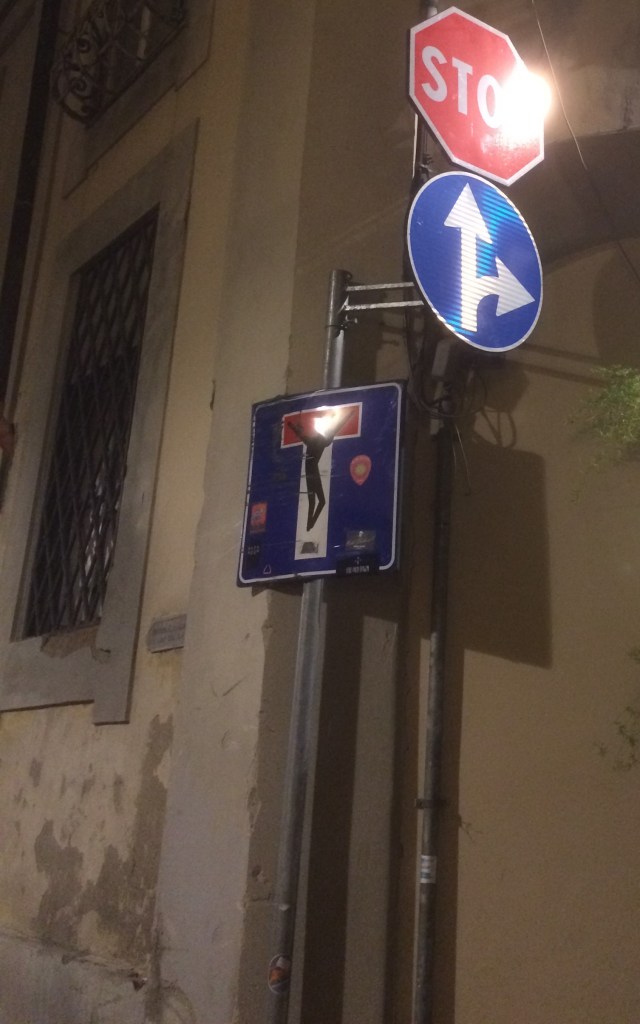
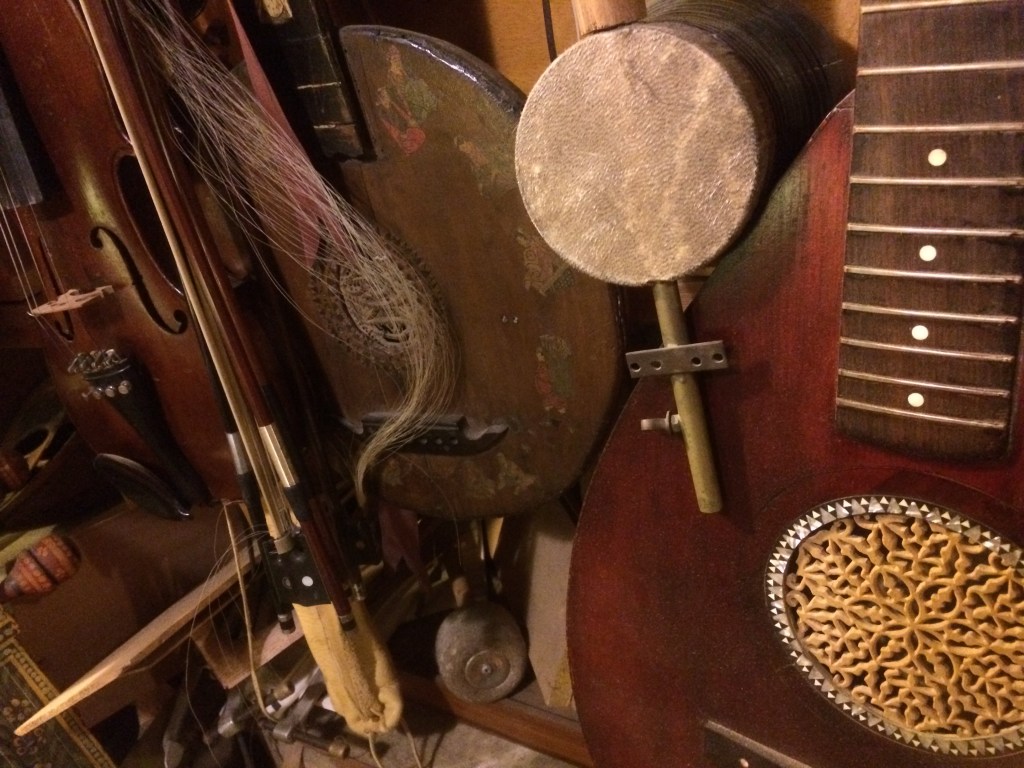
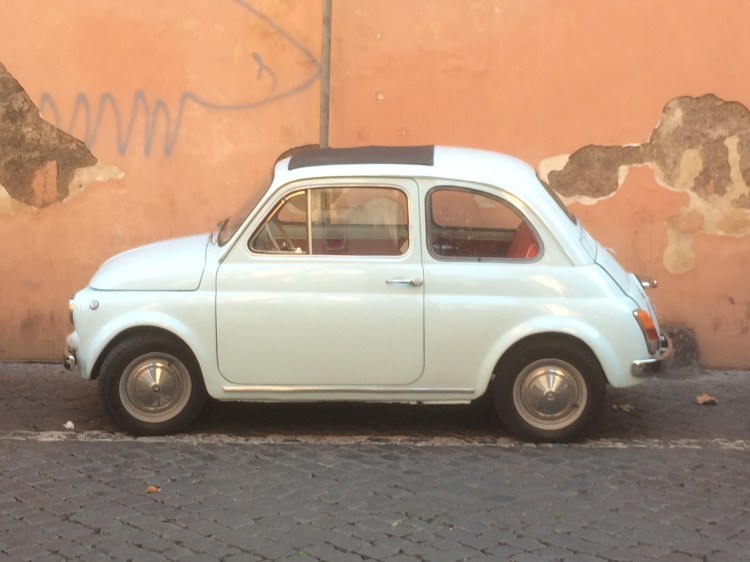
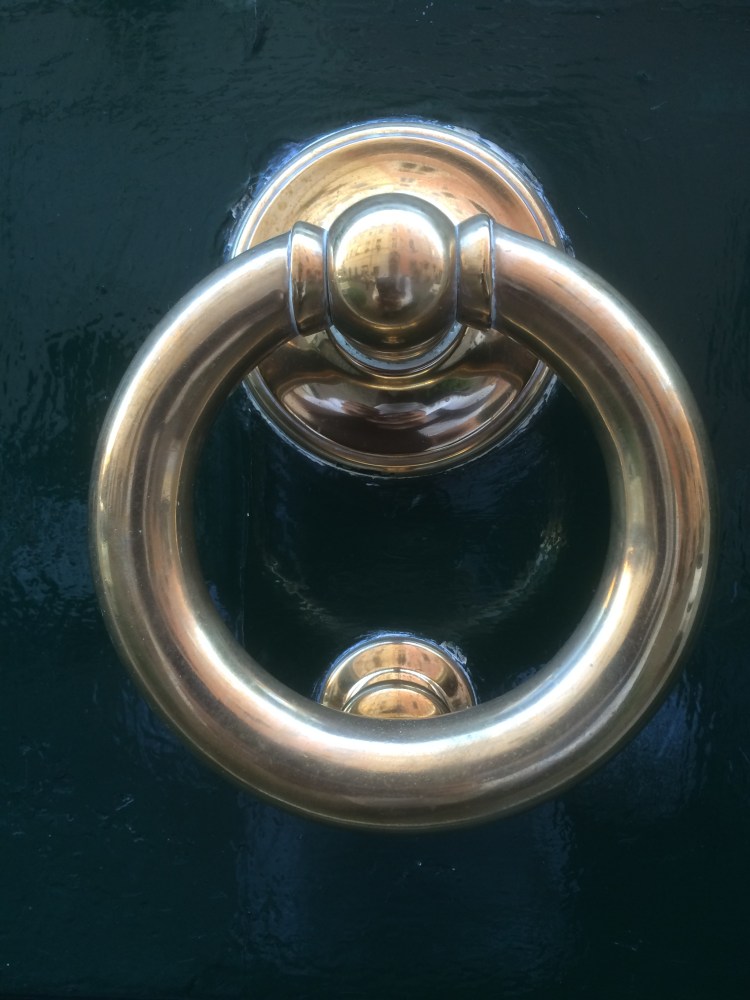
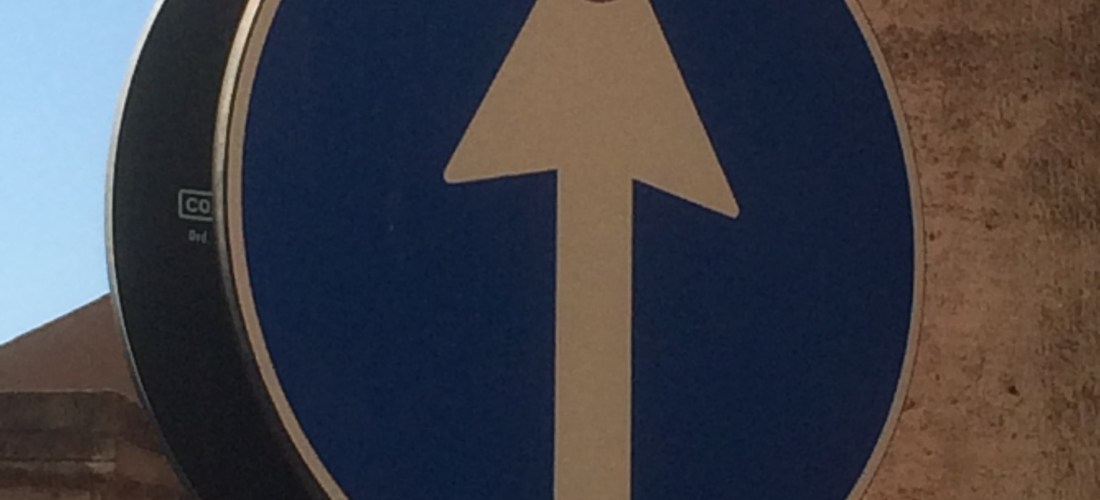
Here in the UK, 2021, we still can’t travel anywhere, so here are a few more images of Italy, focusing on the small details. These images were taken in Lucca, Florence and Rome around summer/autumn, 2016. Enjoy…

I have a few more sets of photographs from other cities around the world, which may find their way into a new post in the future. In the meantime, I’d love for you to share your travel stories with me. Get in touch…

Italy – in small details (1)

Poetry & Writing

These photographs were taken in September 2016, around the cities of Rome, Florence and Lucca. I guess since we aren’t currently allowed to travel anywhere, I thought it might be nice to reminisce about happier times…

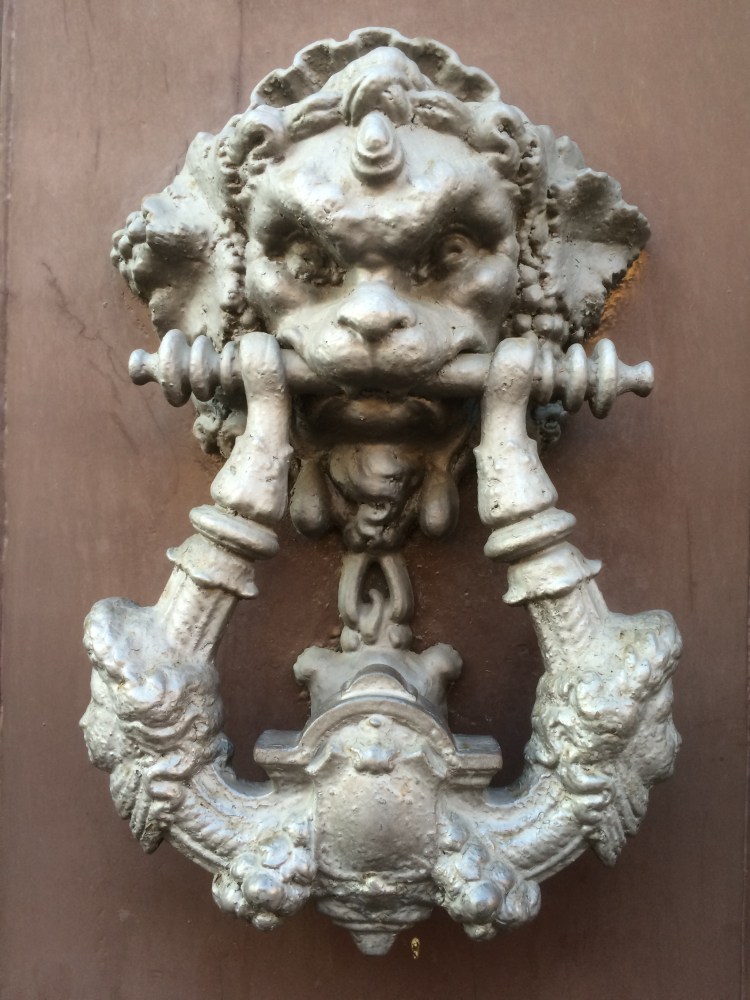
One of the pictures below (top left) shows some small detail on a statue in Florence. Tortoises are a common motif of artwork commissioned by the Medici family, but you don’t notice them until you spot four or five in a single morning!

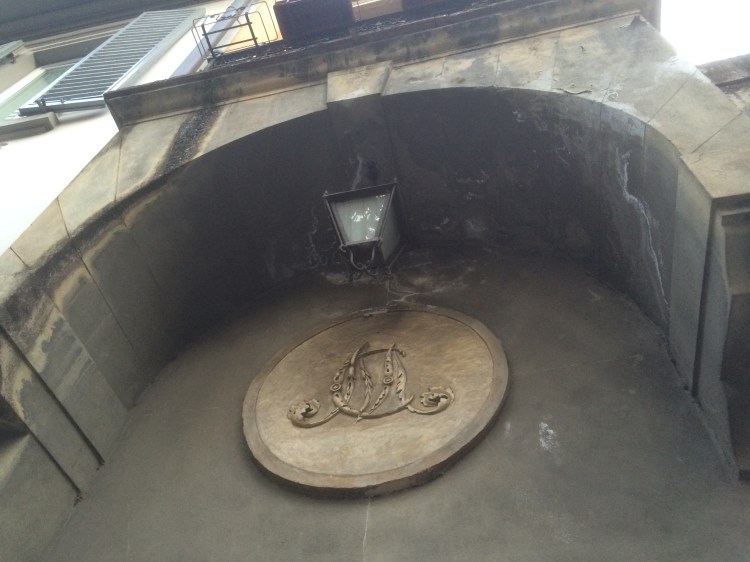
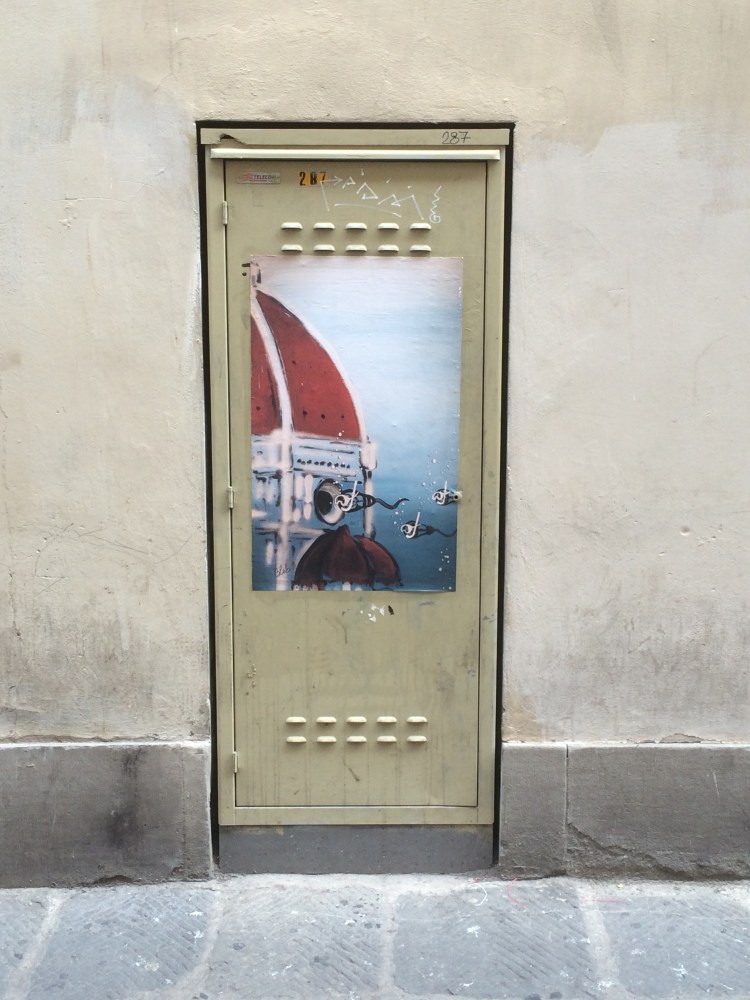
There’s something about the small, sometimes missed, details – in backstreets, doorways, or looking down on you from the corners old old buildings – that I find intriguing. Individually, they are a curiosity. Collectively, they form interesting insights into the cities they have inhabited for years – or in some cases, centuries.

So be sure to keep your eye out for the small details, next time you find yourself somewhere new!

Hareshaw Lin & coins in trees

Poetry & Writing

At the weekend, we went up to Hareshaw Lin in Bellingham for a walk. It was lovely exploring this northwestern corner of Northumberland, following the short walk (less than two miles), along the ruins of a former iron foundry on the North River Tyne, to a waterfall (the Lin, in Old English). On our route, we noticed something unusual…

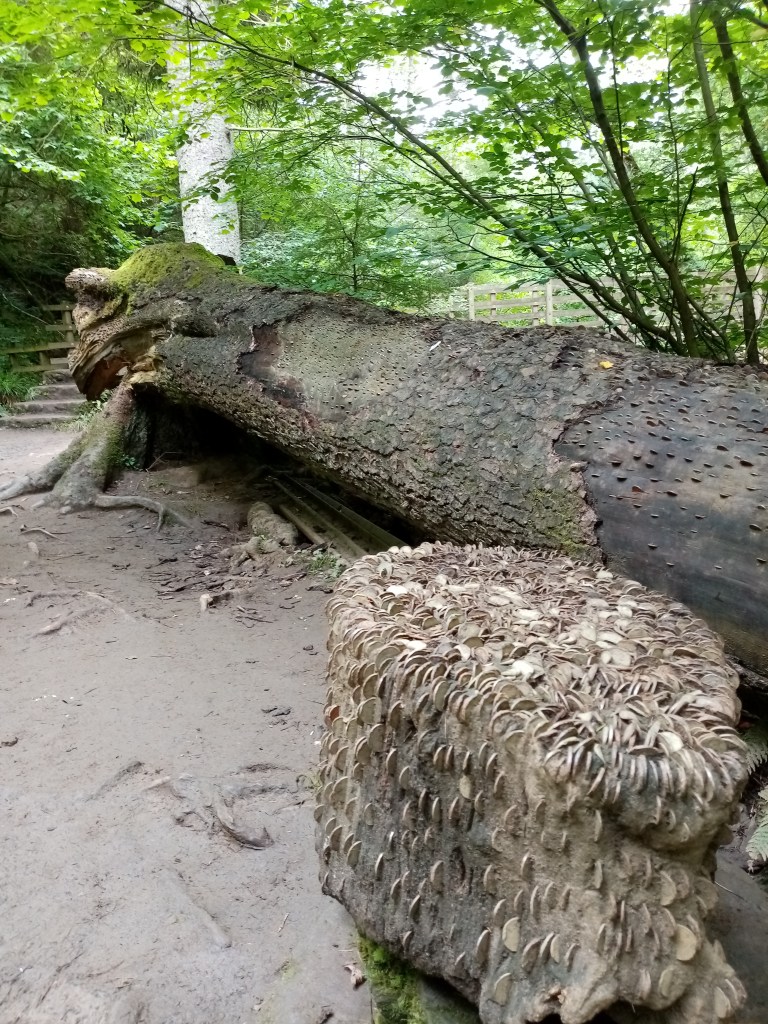
A tree stump (and fallen trunk, behind) with hundreds of coins inserted into the bark

Hundreds of coins inserted into the small slits of the bark of fallen trees. I noticed it in a few sidelong tree stumps, but it was most obvious on this large fallen tree and nearby stump (see above). I have no idea why this tradition started, but some of the coins look very well weathered, and I expect have been there for several years.

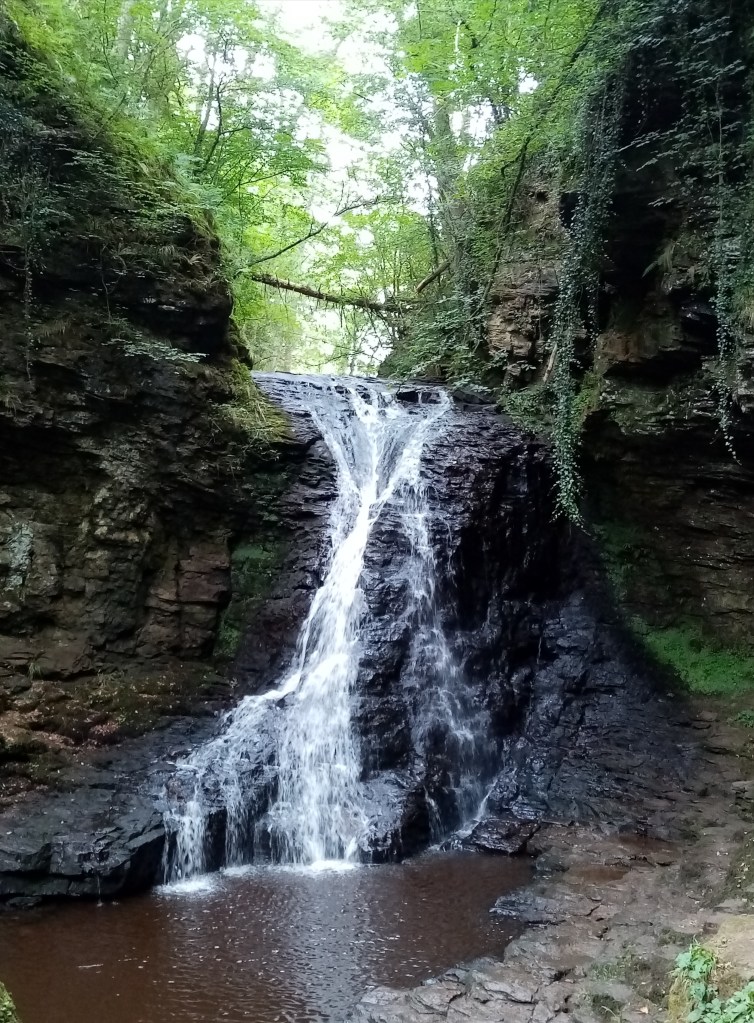
The waterfall itself was beautiful, a small oasis of it’s own within the woods (see below). Several younger people were diving into the pool at it’s base. Judging by how long it took them to resurface after diving, it must be quite deep in it’s centre, although there appears to be a lip of rocks around the pool’s circumference.

Hareshaw Lin – the word ‘Lin’ means ‘Waterfall’ in Old English

The foundry appears to have been washed away by a flood in the early years of the 20th century, and several more rocks swept downstream in a further flood in the 1960’s. The large stones which remain (many were taken to be used for local buildings) jut out the water to create numerous miniature weirs alongside our walking route. It’s a lovely spot, but was rather busy when we went, possibly because people see it as a good outdoor location in these socially distant times. Still, there are many worse ways to spend a Saturday afternoon…

A year of books: every title I read in 2020 (Jan-Mar)

Books

Every year is a year of books for me. I am an unashamedly committed bibliophile.

However, I rarely review the books I read, preferring to make recommendations in conversation with other book lovers.

This year is different. For those who don’t already know, the UK (like many countries) has been under a kind of lockdown since the end of March this year, due to the COVID19 pandemic. Although I’m still kept fairly busy, I’m making a conscious effort to post blogs & articles more regularly. With that in mind, I have decided to provide a quick summary & review of all the books I read in 2020.

Obviously, since it’s already April, this first installment will be looking back at the year (more or less) to date. I’ll post follow ups every couple of months throughout the year, with a pick of my favourites as 2020 draws to a close.

Picture taken from this interesting article by Literary Hub.

So, without further ado, here’s what I have read from January to the end of March, this year…

The book smugglers of Timbuktu by Charlie English (2017, William Collins)

The subtitle to this book, the quest for this storied city and the race to save its treasures, sums up the book perfectly. This once fabled city in Mali was home to thousands of manuscripts on poetry, history, religion, science and all manner of learned subjects. The takeover of the country by jihadists in 2012 threatened these ancient libraries.

The book weaves two threads in alternating chapters. The first chronicles the efforts made to smuggle as many texts to safety. The second is a history of Timbuktu, seen through the eyes of Western Europe’s expeditions to locate it, starting in 1788, and ending in 2003, almost bringing us up to date with the first narrative. Part history and part account of an ongoing operation, English brings the main protagonists to life, and provides enough historical detail to make you feel you’ve learned something. Highly recommended.


The accidental further adventures of the hundred-year-old man by Jonas Jonasson (English translation by Rachel Wilson-Broyles) (2018, HarperCollins)

This is the sequel to Jonasson’s hilarious comic novel The hundred-year-old man who climbed out of the window and disappeared. It’s funny and entertaining to meet the title character again, a cantankerous old man, Allan Karlsson, with a penchant for explosives and a knack for meeting (and enraging) a large cast of world leaders from recent history.

Where this sequel falls down is that it takes place roughly within one year, while it’s predecessor featured flashbacks through Karlsson’s long life, giving the book a fast paced feel which is still full of interesting detail, this follow-up feels a trifle forced. Jonasson said he felt compelled to write the sequel because he felt Karlsson’s voice talking to him about current events, such as Russian interference in worldwide elections and social media. While there is opportunity for humour and warning on this subject, story about Karlsson’s further adventures suffers slightly as a result. Best left for the enjoyment of die-hard fans of the original story.

The Popes: a history by John Julius Norwich (2011,Vintage Books)

A superb history of the papacy, from it’s Apostolic and Ancient Roman origins, through to Benedict XVI (this book was published in 2011, two years before Pope Benedict’s abdication, and the subsequent election of the Vatican’s current incumbent, Pope Francis).

Sometimes very detailed when discussing ‘dark ages’ popes, and on occasion it was difficult remembering who was who (there are a lot of cardinals, popes, kings and pretenders with the same name in some chapters), it nonetheless provides a thrilling insight into this millennia-old institution, the political crises it has faced – both within and against the rest of Europe and the world – as well as how it has survived and evolved over the centuries.

Norwich had an impressive career as a author of history books. This book is just one of many where he has skillfully brought his subjects to life. Also, despite having access to the Vatican library as part of his research, Norwich does not shy away from the seedier aspects of the papacy – a fitting subtitle might well have been Schism, simony and sodomy. However, it rises above gossipy, ‘Lives of the Caesars’ style titillation, and presents a fair light, good, bad and worst, on the men (and possibly one woman) who have held the position of Pontifex Maximus since St Peter. Worth a read, but only if you’re interested in the subject – casual fans of European Medieval history might prefer another of Norwich’s tomes, such as  Four Princes, which is on my to-read pile, awaiting me…


How to stop time by Matt Haig (2017, Canongate)

Haig is carving something of a niche in fantastical novels which certainly don’t qualify for a place in the Fantasy genre. This book is told from the viewpoint of a man of abnormally long life, one of a very small and secretive group known as ‘Albatrosses’. Frequently moving around the world to avoid arousing suspicion, not getting too close to others, having lost lost loved ones centuries earlier, what should happen if he fell in love again? So far, so Highlander, but told with Haig’s usual warmth and wit. It’s also very easy to read. I found myself finishing it almost before I was ready to. However, I found myself making comparisons to one of Haig’s earlier books, The Humans, which similarly deals with a man on the outside learning to love (or in that case, an alien sent to prevent humans progressing before their time). Of the two, I prefer the earlier novel, but How to stop time stands up well on it’s own merits, and is well worth a read.


Africa: by Richard Dowden (2008, Granta Books)

A well-written history of modern Africa, told by a journalist who has lived and returned to the continent several times in his life. At times delving into nearly-memoir, Dowden is able to pull back and maintain a journalistic eye on the wider events taking place in various countries through the later end of the 20th century onward. The book covers the Nations of Africa’s stories of post-colonialism, civil wars, economic growth and failings, as well as the AIDS epidemic, all told fairly and engagingly. The only downside was that no one book (even a 600+ page tome such as this) can truly cover the full history – even of just the 20th century – of such a large continent. Dowden’s book left me yearning to know more, and already I have more books on Africa ready in my to-read pile!

Any others?

Five books doesn’t feel like very many, even if two of them (The Popes & Africa) were quite long reads. However, my therapy work is (and must be) my priority, and there have been a few work-related books taking up my time this year too. As part of my work, I’ve been researching mentalisation and dissociation, specifically in relation to therapy with children, and have been dipping in and out of three or four very helpful books on these subjects recently. However, these titles are best left for an entirely separate article, one centered around music therapy and child psychotherapy. Expect that later in the year!


The next installment will cover April to the early summer [UPDATE – you can now read the April-June installment here]. It may well cover only the ‘lockdown months’, depending on how long that period turns out to be. Until then, stay safe and keep reading…