I feel like my entire musical career has been an endless challenge to do what I can under unfavourable circumstances. So when the pandemic hit I couldn’t believe how many of the bands I played with went into total hibernation, vowing to get back on it when things blew over at some hypothetical moment in […]
The Nick Gladdish Band are finally releasing the second single from our upcoming album, Last One Get The Lights, after a little over two months of recording, overdubbing, mixing and mastering!
The song is called Freeze, and will be available via all the usual online streaming outlets such as Spotify, Amazon, iTunes, Deezer, etc…
This record has been delayed because of COVID19. The first lead single for this album was released last year! But somehow, in the middle of a pandemic (and adhering to social distancing rules), we managed to get the other ten tracks compeleted. I can’t wait to start sharing them with you!
In fact, after you’ve searched for Nick Gladdish and found the song, why not save him / follow him? We’ll have a new single coming out on the last Friday of the month for the first part of 2021, until the album Last One Get The Lights is released in April or May!
Last Thursday & Friday, I was back in the studio with the Nick Gladdish Band, as we finally started work on his new album Last One Get The Lights.
In normal times, this would have taken place in April, and by now, we’d be on another tour supporting the finished product. In fact, we already released the lead single Blurry Lines last last year (listen to it here). However, the pandemic and subsequent lockdowns have held everything up. More recently, we’ve been able to get back on track.
The process
To start with, Nick shared demos of the songs, and we started listening and thinking of suitable parts. A few weeks ago, we held two days of rehearsals where we tried out different things to see what worked. These were recorded as draft ‘rough cuts’ and the best arrangement shared amongst ourselves, so we could refine our parts further. It also gave me time to consider the best way to record the guitars, and which instruments to use.
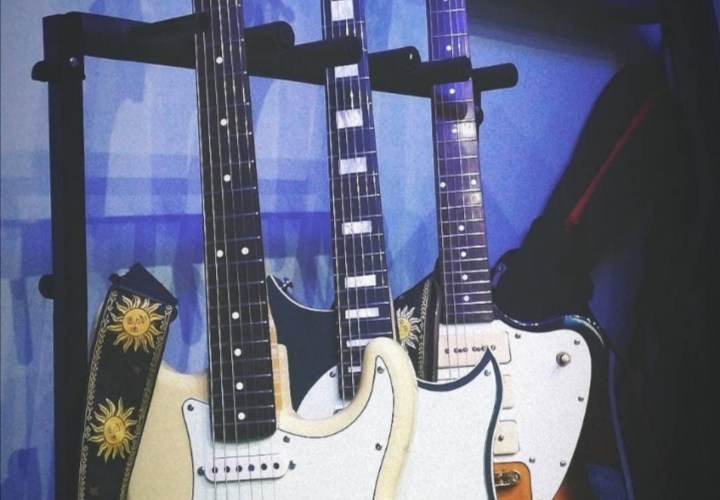
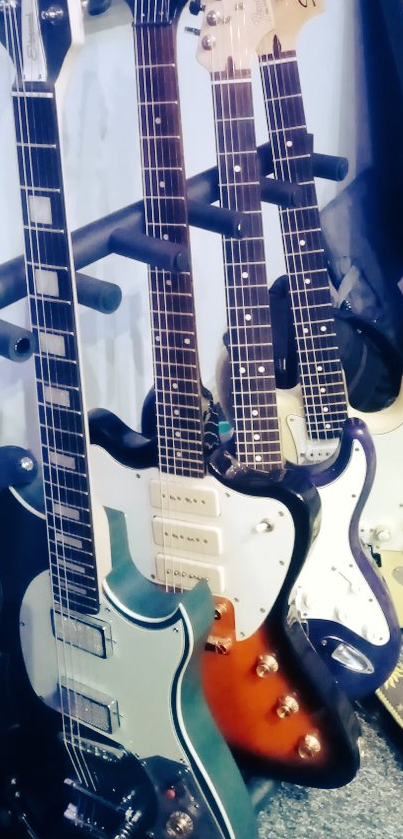
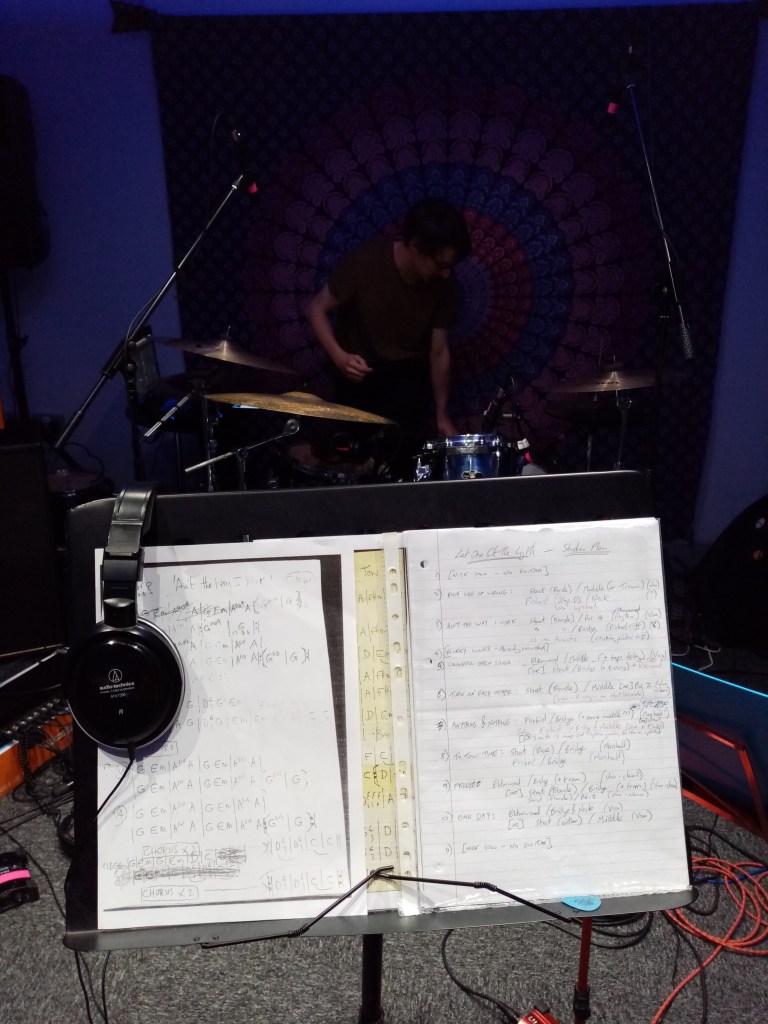
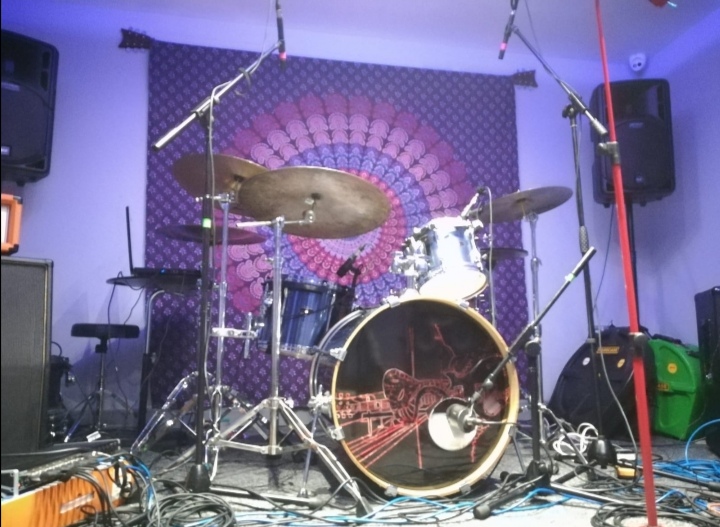
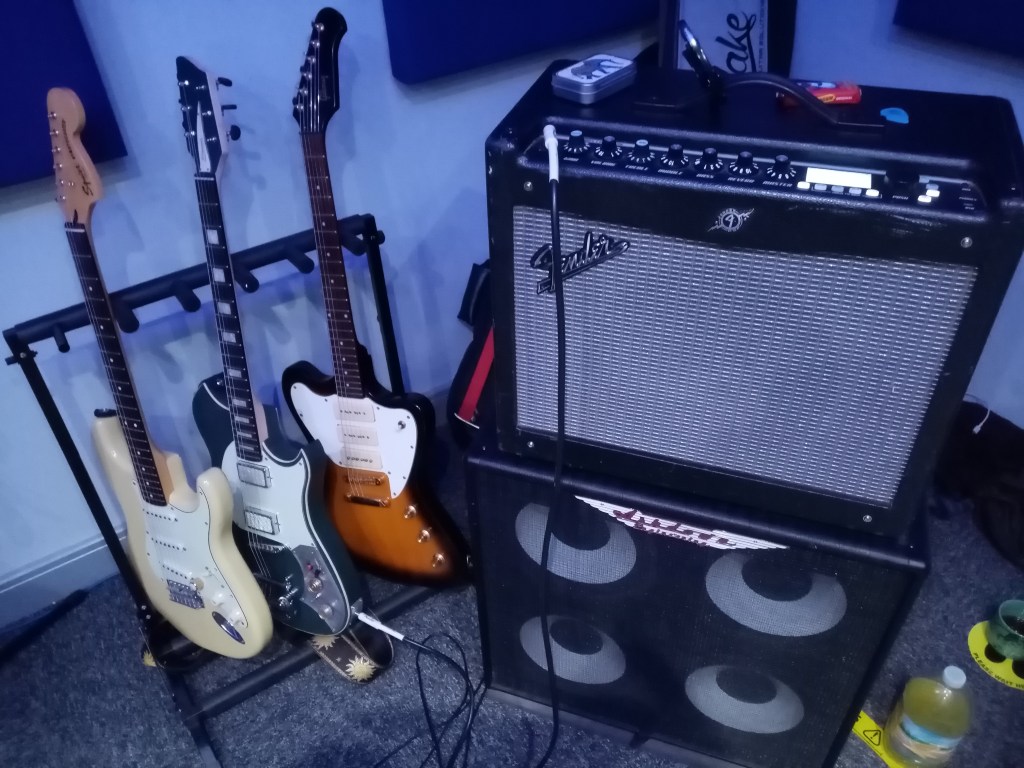
Here’s a few pictures from the two eight-hour days at Traxx Studios in North Tyneside. We spent these days recording the main backing tracks of drums, bass, most rhythm guitars, keys and guide vocals. The credits belong to everyone in the band (I’m not sure exactly who took which picture in some cases):
The whole recording process came together really quickly. In two days, we manged to get all the backing for the eight ‘full band’ tracks down, as well as additional rhythm guitar parts. Having rehearsed and arranged this set of songs in a live room setting, the guitar parts were quite simple to arrange and organise for tracking.
What happens next?
The initial plan was for John (Timney, drummer and engineer for this LP) to crew te rough mixes from what we had before we started on overdubs. However, the government’s announcement at the weekend, telling us we’ll be back in lockdown from Thursday, prompted a change of tack.
Instead, I will be going back into the studio with John to lay down all the guitar overdubs and solos tonight.
Tomorrow, Nick will record all of his vocals and a few additional piano & acoustic guitar parts. Shannon Powell, our backing singer at the live shows, will add her final parts remotely in the next week or so. That way, John has the whole period of lockdown to mix and master the record, and we can have the entire album finished in time for release at the start of 2021.
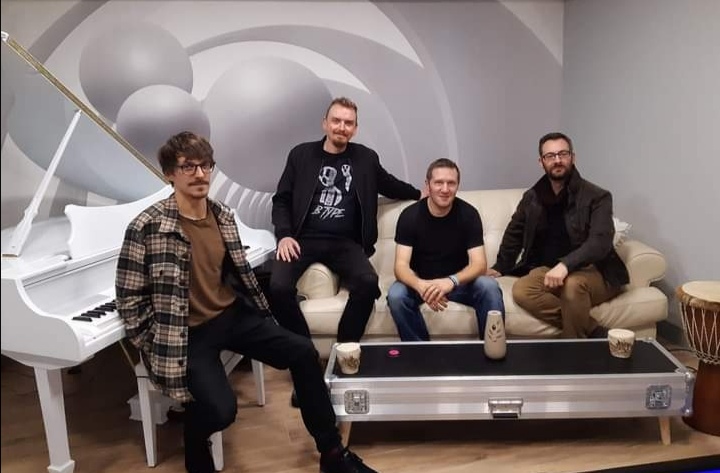
The Nick Gladdish Band. L-R: John Timney (drums, production), Adam Cornell (bass), Nick Gladdish (lead vocals, keyboards, acoustic guitar) and myself (guitars, lapsteel).
I’ll post some more pictures from tonight’s session, as well as further updates, in due course. Until next time…
I have never owned a semi-hollow guitar before, despite having played 335 style and ‘thinline’ guitars on several occasions. This year, I had the budget to rectify this, but with so many great options out there, I was undecided on where to invest my hard-earned money.
Enter Elderwood Guitars, a one-man operation based in Carlisle, in the north of Cumbria. I had seen a few Elderwood models for sale in a guitar shop in Newcastle, and a couple of players I know spoke highly of these instruments. Barrie, the man behind Elderwood Guitars, makes it his mission to create the guitar of your dreams at a more affordable price. You are involved in all aspects of the layout and design of your instrument, which is largely made up from recycled wood.
You may remember another guitar built for me, a nylon-strung classical guitar, which was also crafted by a solo luthier in Cumbria and made form recycled wood (and if not, you can read about that guitar by clicking here).
The two main principles of making something beautiful from old wood, as well as being able to design the guitar to my own specifications, was something which greatly appealed to me. To that end, I found myself in conversation with Barrie near the start of lockdown, and soon we went back-and-forth with ideas and draft designs. Rather than going for a more straightforward 335-style design, I was inspired by some of the beautiful high-end creations of small guitar companies such as Kauer. In the end, the final design looked like this:
The fifth & final draft of my custom design. Picture courtesy of Elderwood Guitars
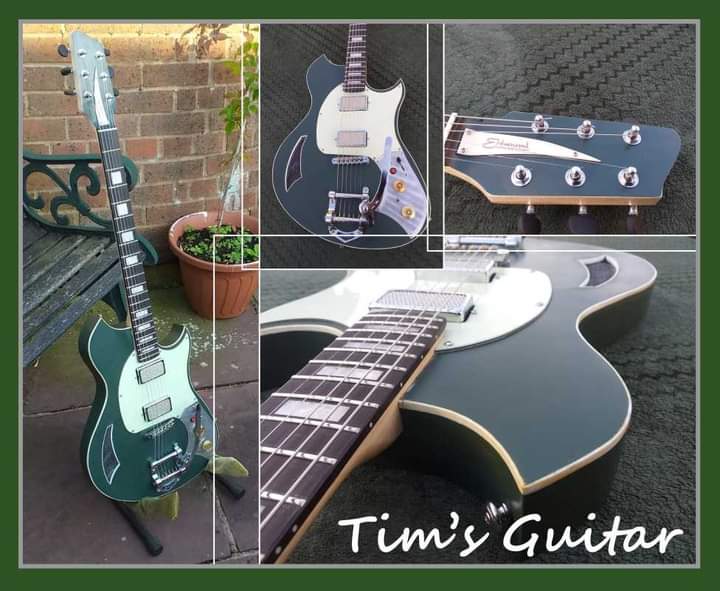
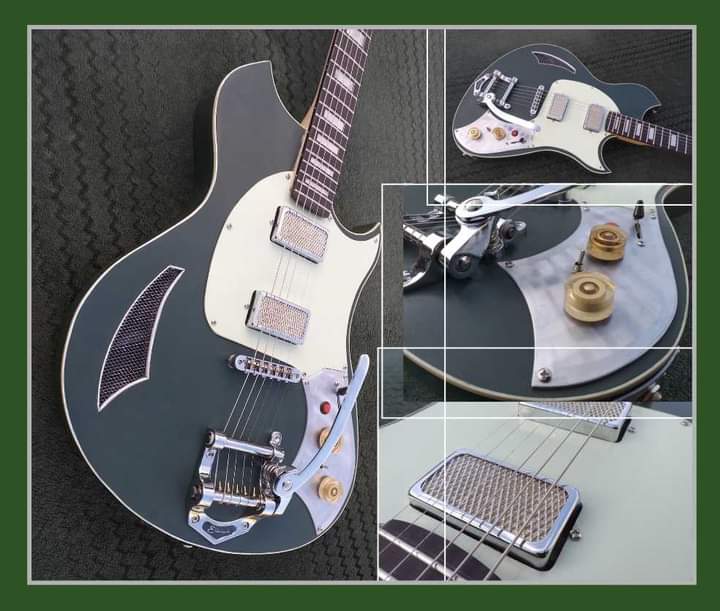
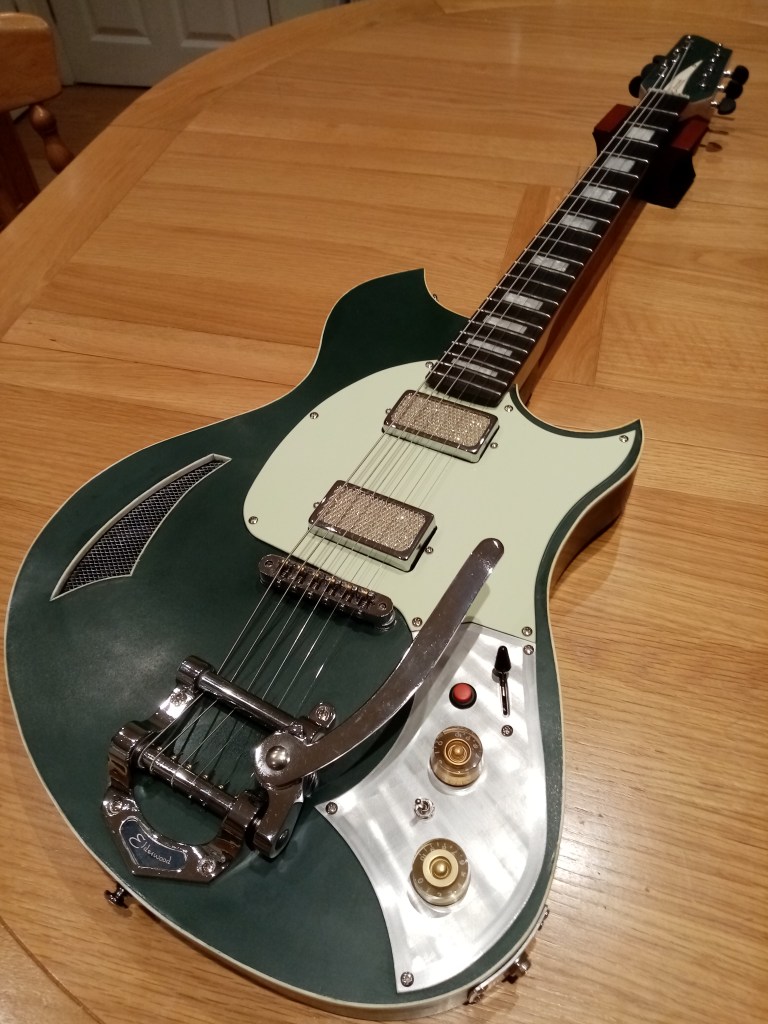
My guitar would be an offset semi-hollow with a serious vintage feel to it. The two humbuckers and sound hole on the upper half would be covered in a gold foil/mesh, and the neck would feature block markers. For the finish, I requested as close to British Racing Green as he could manage, with cream for the pickguard, binding and truss rod cover, likening the overall colouring style to that of a classic Mini Cooper. You don’t see many green guitars and I have always wanted one. Now I just had to wait for it to be completed (although since lockdown meant that I wasn’t gigging, I was in no hurry).
Over the next few months, I received occasional updates from Barrie which always got me salivating:
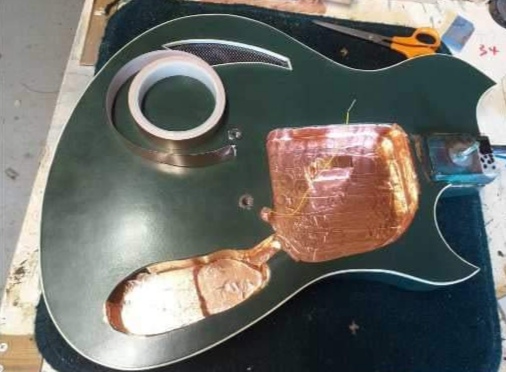
The guitar starting to take shape. Photos courtney of Elderwood Guitars
Barrie checked back to confirm my preferences for pickups, tremelo, control layout, as well as general updates on progress. He seemed to be having a busy summer but as each guitar was finished and presented on his Facebook page, they continued to look and sound as high quality as I had been told they’d be.
At last it was ready to collect in early October, and it did not disappoint…
The first shots of my completed guitar, sent across by Barrie at Elderwood Guitars
Specifications
Offset semi-hollow body, made from recycled pine
Maple neck, with rosewood fingerboard featuring block position markers
3-a-side headstock
Bigsby-style vibrato system and ‘roller saddle’ bridge
2 x Vanson ’57 Alnico II humbuckers
1 x volume & 1 x tone control
3-way pickup selector switch, plus mini-switch for coil-tapping
Push button to bypass volume control (see below)
Side-mounted jack socket (secured by four screws for greater stability)
This guitar certainly looks the part. The green finish contrasts beautifully with the pickguard and copper coloured control knobs. After sharing the images above on my Facebook page, I was inundated with questions and compliments about the it. It’ll certainly make a visual impact at gigs (whenever they start back up again).
Sounds
Acoustically, this guitar is much louder than my other electrics. It’s interesting just how much difference the resonance of a semi-hollow together with the sound hole, can make. The matched PAF-style humbuckers give you all the tones you would expect from an early Les Paul, but with more airiness due to the mainly hollow body. These humbuckers are made by Vanson, a budget brand readily available on websites such as Amazon. Barrie shares my sentiment that one shouldn’t have to, and doesn’t need to, pay over the odds for a combination of magnets and copper wiring. I had said early on in the design process that I was happy with ‘budget’ pickups on this guitar, and they certainly sound as good as anything the big name brands churn out!
The bridge pickup provides everything I need, from classic rock crunch to an almost rockabilly style twang – the Bigsby certainly comes to the fore here. The neck pickup gives up warm jazz tones on a clean amp with the tone rolled back, and splitting the humbucker into ‘single coil mode’, I’m able to get a sound remarkably similar to a Strat or Tele in this position, which is no bad thing as far as I’m concerned. With both pickups engaged, I’m in my beloved funk and soul territory, great for rhythm playing and bluesy licks. Not only that, but it feels like BB King’s trademark singing lead tone is virtually built-in to this instrument.
Is it any good?
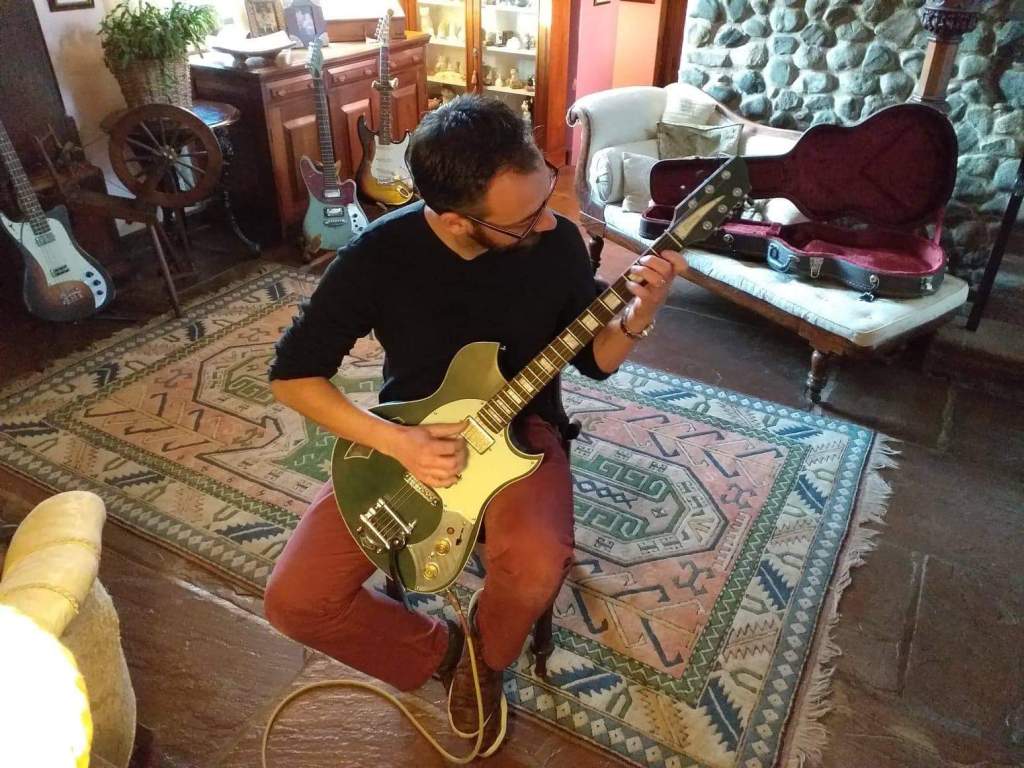
Oh yes, it’s very good. I love it! I’ve certainty enjoyed playing it so far, both through my amps and unplugged. It sits perfectly on a strap and the neck is comfortably chucky, like a true vintage instrument (which is exactly how I like it).
My only hurdle so far has been getting used to the Bigsby-style vibratio. I don’t use the vibratio arms on my Stratocasters, but as well as the right hand aspect, Bigsby units are notoriously tricky to keep in tune. However, this is something that can only be changed through practice and getting used to using it, rather than anything wrong with the guitar itself. Nonetheless, Barrie’s aftermarket service has been top drawer, offering all sorts of advice on how to get the most from the unit, as well as tips on maximisng tuning stability.
Finally collecting the new axe. Picture courtesy of Elderwood Guitars
I expect to be in the studio again in the coming weeks, recording a new LP with the Nick Gladdish Band, and this guitar will be coming along with me. I’ll share links to sounds and videos of this guitar in that (or any) setting as and when they become available…
If you are interested in your own custom-made guitar, Barrie can be contacted directly through Elderwood Guitar’s Facebook page. I’d recommend that you take a look through the numerous creations he has made, and make sure you have a good idea of what you are looking for when you drop him a line. Once you do, you will meet an affable and courteous man dedicated to making the best instruments he can, at a price point open to all of us – and that, like his guitars, is truly something to be admired.
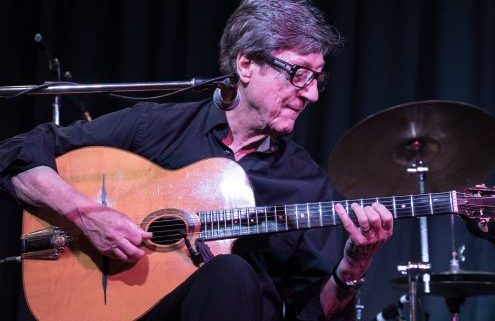
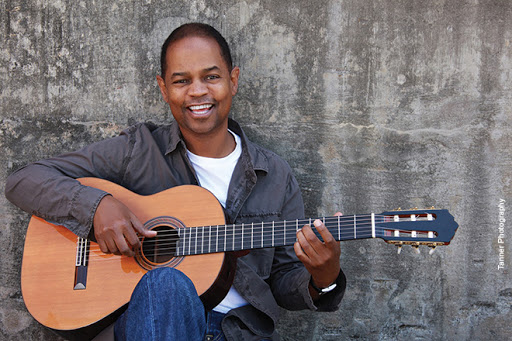
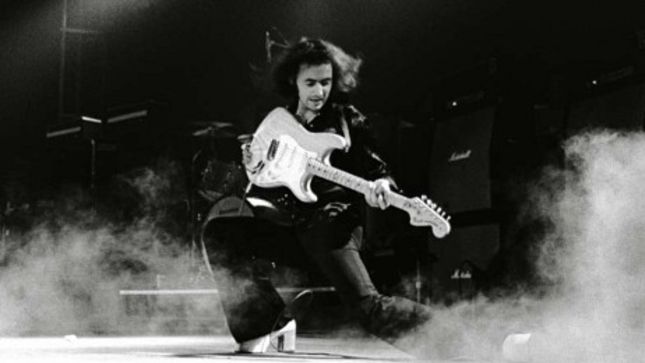
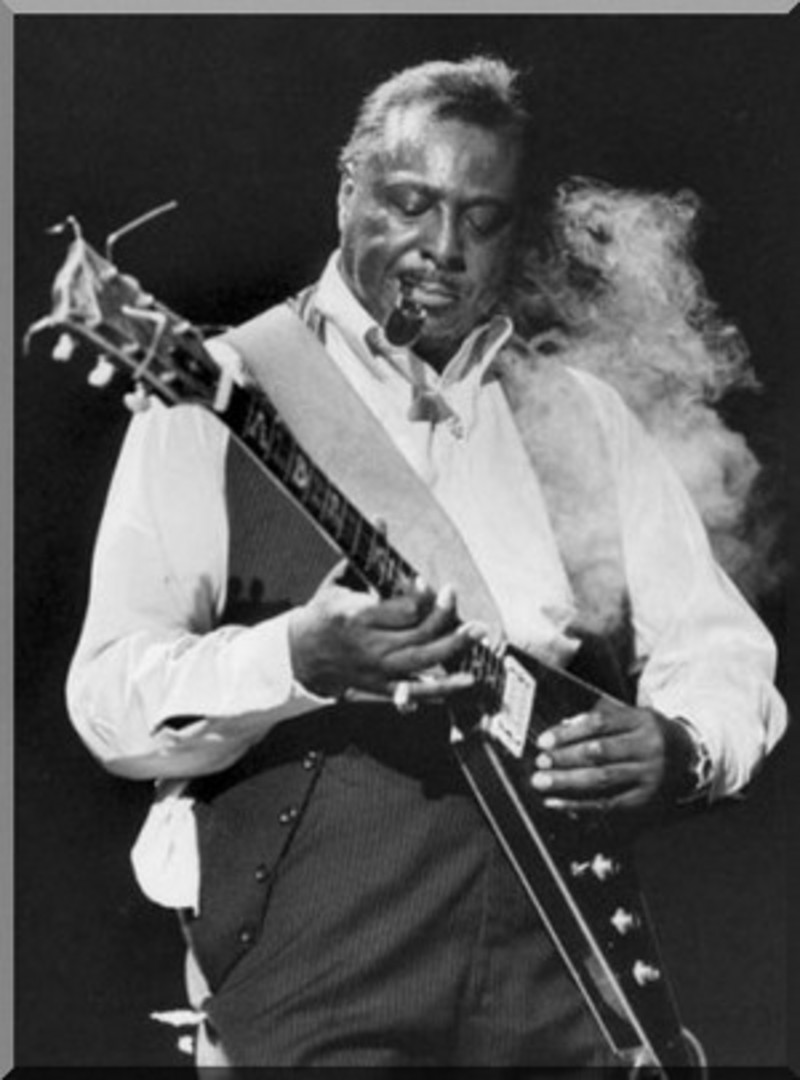
This is one of those exercises / challenges which circulates around Facebook from time to time (much like the one which inspired a previous post about ten albums which inspired me). This one asked guitarists to post photographs of ten guitar players who had been the greatest influence on their own playing.
I find these thought exercises difficult – challenging is the perfect word! I feel like I could post forty pictures and still have missed out a key influence on my playing, yet here we are, in no particular order…
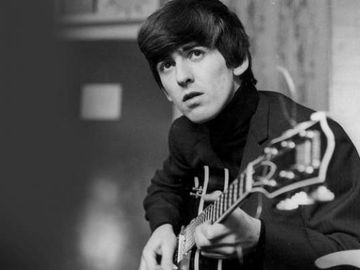
George Harrison
Hank Marvin
BB King
Earl Klugh
Ritchie Blackmore
Steve Cropper
Albert King
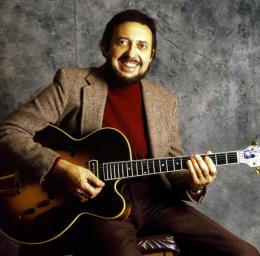
Barney Kessel
Grant Green
Steve Howe
What do these players have in common? Some are strikingly different. The key characteristics I gravitate towards in other musicians are…
Tasteful or melodic solos
Blending of musical genres
Dazzling showmanship / inspirational technique
…and all of the guitarists pictured above have one or more of these traits.
As always, these are just my opinions. I may well delve into my influences in more specific areas in a future article. But what are your biggest guitar influences? Get in touch or leave a comment to let me know!
In this installment, a singer and guitar player who took the blues, folk and gospel and created what could arguably be considered the forerunner to rock’n’roll…
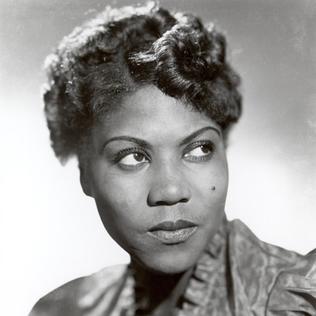
Sister Rosetta Tharpe
Born in 1915, Tharpe (born Rosetta Nubin) started playing guitar and singing in church at the young age of just four years old. Touring with an evangelical church troupe from the age of six, she settled in Chicago. Her stage name comes from her first marriage to preacher Thomas Tharpe at the age of 19; she carried on using the name Tharpe professionally after their divorce in 1984 , up until her death from a stroke in 1973 (during which time she remarried twice).
Tharpe is perhaps best remembered as a singer, with a loud clear singing style. But something about her singing, combined with her foot stomping and blues-tinged guitar picking – not to mention some cool lead lines – stirred the interest in many young listeners who would go on to be the next generation of musicians. Little Richard and Johnny Cash both called Tharpe their favourite singer, she is cited as a crucial influence to artists such as Aretha Franklin, Jerry Lee Lewis, Tina Turner, Isaac Hayes, Meatloaf and Karen Carpenter. Tharpe’s appearance on a British TV special about the Blues and Gospel Caravan, a European tour of US musicians that also included Muddy Waters, Otis Span and Sonny Terry, amongst many others, brought her to the attention of British audiences, including future guitar superstars like Eric Clapton.
“Tharpe’s guitar style blended melody-driven urban blues with traditional folk arrangements and incorporated a pulsating swing that was a precursor of rock and roll”
Biography.com (‘Sister Rosetta Tharpe’, 2015)
Tharpe’s guitar playing is said to have directly influenced the vocals/guitar style of Chuck Berry and Elvis Presley – and if the first rock’n’rollers such as Berry, Presley and Richard call Tharpe an influence, she must the foundation of all that followed…
Tharpe’s career was curtailed by a stroke in 1970, and she died just three years later. Nowadays, her influence is often unfairly overlooked, and sometimes forgotten entirely. However, Tharpe played a crucial role in the history of American music of the 20th century, not to mention the birth of rock’n’roll. Furthermore, in this brilliant article by Erin White, Tharpe is hailed as a Queer Icon too, largely due to speculation over her affair with singer Marie Knight.
Here she is on a TV show in the mid-sixties, singing a gospel song with a gospel choir, but playing a slightly overdriven Gibson Les Paul Custom (although we know these as a Gibson SG nowadays) with it’s three humbuckers. She also pops in a blues-based solo in the middle!
When I think of three humbucker guitars, I recall Neil Young’s ‘Black Beauty’ Les Paul, or the rock band KISS. As for the SG guitar shape, Angus Young of AC/DC and Tony Iommi of Black Sabbath are the first two players who spring to most people’s minds – not a lady in her fifties singing a combination of blues and gospel. It must be remembered that for many, Sister Rosetta Tharpe was the first black woman they’d ever seen playing an electric guitar, and she could play! But what else should we expect from the Tharpe – one of a small handful who can truly claim to be the start, or inspiration, of rock’n’roll?
Recommended listening
Tharpe’s 1944 single Strange Things Happening Every Day, is considered one of the first rock’n’roll singles, and is the first ever Gospel record to make it onto Billboard’s Harlem Hit Parade (now called their R&B chart). One her most acclaimed studio albums is Gospel Train (Mercury, 1956). This record marks the stylistic change, backed by New York session musicians, and is considered highly influential on later rock’n’roll artists.
With a career that took place from the 30’s to the early 70’s, it is sometimes best to seek out compilation albums in order to have all of Tharpe’s most well-known releases in one place. To that end, I would recommend Bring Back Those Happy Days: Greatest Hits and Selected Recordings (Jasmine, 2018), or the 4-CD set The Original Soul Sister (Proper, 2002).
As with each installment in the Great Guitarists series, I have only touched upon the surface of these influential players. I’d love to hear your thoughts on them, as well as recommendations on who should be featured (I have another four or five lined up already – I wonder if anyone can guess who is coming next?). Until next time…
In this, the tenth installment of my Great Guitarists series, I’m a little ashamed to say we have only looked at male guitar players so far. So, to round off my first ‘dectet’ of influential guitar players (and keeping in a jazz theme, like the previous installments), let me introduce to you Mary Osborne…
Picture Credit: Gretsch, 1959
Osborne was born into a musical family in North Dakota, 1921. Both her parents were musicians and her father’s barbershop was a known gathering place for local players. Already playing live by the time she was a teenager, Osborne was influenced by the playing of early jazz pioneers Django Reinhardt and Eddie Lang. However, it was Charlie Christian who first captivated her, and mentored her for a while, fine tuning her great sense of swing.
Osborne’s career ranged from trios (her own, and the Winifred McDonnell Trio near the start of her professional career), as well as some work as a sideman (or sidewoman) for the likes of Buddy Rogers, Joe Venuti (whose act included vocalists Kay Starr and The Andrews Sisters), amog many others. In the first of two spells in New York, she was the guitarist in Minton’s house band, where bebop was invented during the jams the legends of jazz had there. Her career continued throughout her life, and she was still performing live up until her death in 1992, at the age of seventy.
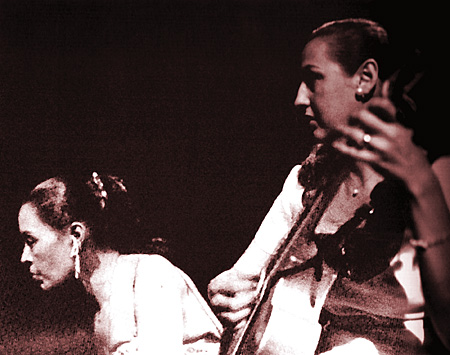
Osborne (R), with Billie Holiday (L), 1958. Picture Credit: Nancy Miller Elliot
Equipment
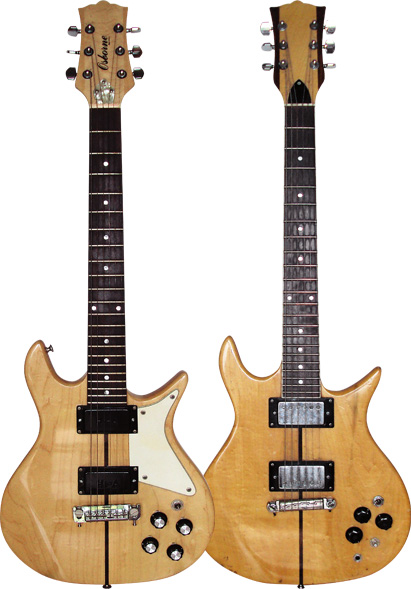
Osborne purchased the same model of Gibson archtop that Charlie Christian played – the ES-150, an early version of the classic archtop ‘jazz boxes’ we know and love today. It came with a large spruce body and a single-coil pickup near the neck, itself containing a large magnet that helped deliver good definition and attack. She later played other guitars by Gibson, as well as models by Gretsch, such as the White Falcon. In the 1970’s, Osborne founded her own guitar company, Osborne Sound Laboratories, formed from the ashes of the Mosrite Guitar Company (whom her husband had worked for at the end of the 1960’s). Osborne Sound Laboratories made amplifiers personally tested by Mary herself, as well as a selection if interesting instruments (including funky looking solid bodies such as in the picture below). Sadly, they couldn’t penetrate the market due to the dominance of the big manufactures, such as Fender (despite their well-known quality issues in this decade) and the company folded in 1980.
Osborne Sound Laboratories guitars from the 1970’s. Picture Credit: VintageGuitar.com
Recommended listening
Osborne’s 1959 LP A Girl And Her Guitar (Warwick) stands testament to her talents in a golden era for jazz guitar. Her later record Now And Then (Stash, 1981) shows a player who survived longer than most of her contemporaries, and continued to play beautifully.
Also, check out The Mighty Two (1963, Roulette), an LP by the two legendary drummers Louis Bellson and Gene Krupa. Although this was conceived as an instructional album for budding drummers, several tracks feature six musicians accompanying both drummers through nine of the songs on the record. As well as featuring Osborne on guitar, you can hear Milt Hinton (bass), Joe Wilder and Joe Newman (trumpet), Phil Woods (alto sax), Dick Hymen (piano) and Tyree Glenn (trombone) – something of a who’s who in sidemen for the time. The ensemble playing is tight, and the entire LP is a unique artefact of jazz history.
Welcome back to this overview of intervals in guitar playing! In part one, we looked at thirds, sixths and tenths. In this follow up article, we will be taking a brief look at fourths and fifths. Both of these intervals can be used more ambiguously, as they remain the same in the context of a major or minor chord (when sticking to notes in diatonic scale, at least – more on that later). Because of this fact, they can utilized in slightly different ways to the tones they sit alongside in common scales. Let’s take a look…
Fourths
Fretting the two highest strings together at the same fret creates this classic double stop, which can be heard all over rock’n’roll, but famously in the intro and solo for Chuck Berry’s Jonny B. Goode. Berry developed this style so he could recreate horn lines, as his live band was a smaller ensemble than many bands of the time (which would typically have more than one sax, trumpet, trombone, among other brass instruments). Every rock guitarist that followed has used phrases first made famous by Berry, from Angus Young to George Harrison. It is also a useful interval for slide guitar playing as it can be used over major and minor chords alike (you can see an example of me playing 4ths with a slide on this cover video of a well-known song).
In jazz, Wes Montgomery pioneered the use of stacked fourths, creating chord-based solos using 4th intervals on top of each other (for example, one chord would sound, low to high, as A, D, G, C), and the shape would move in line with the melody. George Benson kept up this tradition, but would also regularly employ diads (two notes played together) of 4ths in his lightning-fast solos.
Fifths
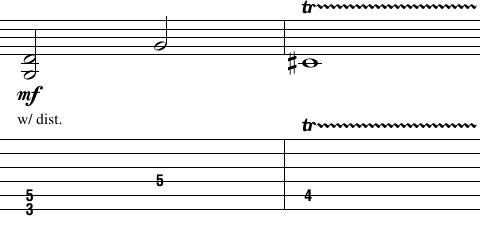
A fifth is an inversion of a fourth, and vice versa. Here, the strict definition can become blurred – think of the intro to the Deep Purple song Smoke On The Water and you’ll hear diads playing the entire riff in what sound like fourths (eg, the first pair of notes is a D, then a G on top). However, since the melody is following the G minor pentatonic scale (as the song is in the key of G minor), I’d argue that this riff is an inverted fifth (D being the perfect fifth of G), as the melody note is higher than the harmony note.
In rhythm guitar, a root and fifth creates the classic power chord heard in most varieties of rock music. Alternating the fifth with a sixth, and moving back and forth between the two, gives the famous (almost cliché) rocking riff used by artists from Chuck Berry to Status Quo and beyond.
Variations on ‘perfect’
The intervals we have discussed above – using the fourth and fifth notes in a diatonic scale, create what is known as perfect fourth / fifth. However, as with any note, we can raise or lower it’s pitch by a semitone for a new musical sound. Flat fourths & fifths are both referred to as diminished (and of course be found in diminished chords and scales). Raised ones are called augmented. As a fourth and fifth are only a tone apart, a diminished fifth is exactly the same thing as an augmented fourth – just in case you were confused!
Apart from being the famous Devil’s chord (famously used on the Black Sabbath song Black Sabbath), this interval often occurs in Blues-based music. The Pentatonic Blues Scale is based on intervals of R, b3, 4, #4, (or b5), and b7. Likewise, in dominant seventh chords (for example, C7), the natural interval between the chord’s major third (E) and flat seventh (Bb) is a diminished fifth/augmented fourth. Highlighting these notes over these chords creates a wonderful effect without having to overthink your playing too much!
Finally…
There are a few intervals we haven’t covered in these two articles. Off the top of my head, these would be seconds, sevenths, octaves and extended intervals used in jazz chords and arpeggios, such as ninths, elevenths and thirteenths. I plan to look at octave-based playing in a future article, because it is a staple of my own guitar heroes, such as the great Wes Montgomery. However, if you’d like me to look into some of the other intervals (such as sevenths, which is a really useful colour tone in jazz), do let me know!
You might have noticed that recent posts have featured poems (especially Haiku) rather than my usual guitar or music-related topics. Well, you don’t have to worry about this site turning away from it’s main focus. For one thing, my efforts aren’t very good!
Due to COVID19, almost no one is gigging at the moment. Since March, I have managed one socially distanced gig in a garden with the Nick Gladdish Band, but otherwise have found myself with more free time on my hands, particularly on weekend evenings. All future gigs and musical projects are postponed. Also, not having much means (or space) to embark on live streaming or recording projects from home, I found my creative juices were becoming pent up, and seem to have manifested themselves via written ideas, rather than musical ones.
I decided not to be embarrassed about my poems any more
I recently discovered that a good friend has a passion for a very niche form of short story writing, which was as pleasing to learn as it was unexpected. The fact that I was happy for my friend made me realise that I shouldn’t have any shame in putting my own silly little rhymes and Haiku out into the world.
I enjoy writing them
Surely that’s the most important thing? I mentioned in my recent post about using the recent lockdown as a reminder to do the things you enjoy, when you can. For me, this is one of those things. Like a Sudoku, they serve to keep my sharp, in a creative sense, until I can start rehearsing my own musical compositions and playing gigs again.
This blog will still continue to be about guitar. music, music therapy and all sorts of arts-related subjects. Writing these articles are another way of channeling my creative urges, and if someone learns a little extra knowledge as a result, fantastic. In time, I will start to announce new tours, projects, albums, etc, as they start to emerge from our cultural hibernation – but expect to see the odd poem thrown in there as well, from time to time!















 Tim Higgins, Guitarist
You must be logged in to post a comment.