Music & Wellbeing (Part 1): The intrinsic value of music

Music Therapy

This mini series is a collection of essays on the benefits of music on wellbeing. Over the next few ‘chapters’, I shall investigate the aesthetic, holistic, physical and education angles of music as an aid to improving wellbeing.

But first, an introduction into the value of music within itself, or rather, the value we humans place upon it. I hope you enjoy reading this and the installments to follow. If you have any comments, please do not hesitate to contact me.

The intrinsic value of music

‘For humans, music is a means of expressing and experiencing ‘love, excitement, joy, sadness and even spiritual fulfillment’ (Green, 1986, p. 69). John Cage (1952) famously stated that ‘everything is music’. By contrast, Claude Debussy remarked that ‘music is the space between the notes’ (quoted in Green, 1986, p. 70). This does, however, imply that some organisation of notes is required, if only to determine the length and perceived colours of these spaces, and the impact they may have upon hearing them.

Nicholas Cook (1998) elaborates further on the meaning of music, maintaining that music’s value is paramount due to its presence at the heart of everything we are and do as a species:

Rather than being something apart, music is in the very midst of things. In fact it’s less a ‘something’ than a way of knowing the world, a way of being ourselves. (Cook, 1998, p. vii)

Some believe the meanings we take away from music will always be unique to us; that everything we feel from music, good and bad, exists solely ‘in the audience’ (Cage, 1968, p. 97). This further demonstrates a need for contextualisation or interpretation on the part of the listener. However, I believe it carries the same underlying message as Cook (1998): music is not only important to us, but the listener will apply some means of interpretation to it, whether by concentrated thought or subconsciously. What the listener may discern from these sounds is effectively up to the listener alone.

Of course, what music we chose to consume is in part formed and shaped by our social conditions, with some allowances for personal taste (Shuker, 2008, p. 173). Martin (1995, pp. 75-76) even suggested that some forms of music can be shaped based on the traits and characteristics of the society from with it originates. This sentiment is, to some degree, rebuffed by Matthew Kieran (2013), who believed certain pieces had more relevance to an individual than another might:

To value Bach’s Cello Suites just because they cheer me up implies that they are replaceable by something that performs the same function as well or better, whether it be a feel-good movie or a night out. However, to find intrinsic value in a work is to appreciate the imaginative experience it properly affords, which may be beautiful, moving uplifting, pleasurable, insightful or profound. But it is the particular nature of the work that guides our active mental engagement and responses to it. Hence there is something about the experience of a particular work, if it is intrinsically valuable, that cannot be replaced by another. (Kieran, 2013, p. 289)

Citing Barber’s Adagio for Strings as another example, Kieran (2013) made further interesting observations on the nature of music’s value to the individual as art:

In terms of technical musical complexity the piece is relatively simple and yet in terms of expressivity it is a great piece of music…It is no coincidence that the Adagio for Strings has been used for state funerals and as the thematic music for Oliver Stone’s Platoon. The piece of music may not be about anything in the strict representational sense, yet its expressive development moves between melancholy, grief and reconciliation. (Kieran, 2013, p. 289)

Kieran’s (2013) argues that while other pieces of music may express similar sentiments to Barber’s Adagio, due to subtle differences, they can never do so in exactly the same way. This implies the listener is investing emotions onto the music, rather than the other way around. This poses some difficulties in using specific musical pieces as therapy. While drugs have an overall blanket effect on the body, whether our minds will them to or not, ‘good artworks are not dispensable in the way drugs are…in the case of art the experience is a result of our active mental engagement with the work’ (Kieran, 2013, p. 290).

Stecker (1997, 2010), on the other hand, holds the view that art is instrumental in value. We value music because of the experience it affords; the ends it realizes. Kieran (2013, p. 290) differentiates between Stecker’s (1997, 2010) viewpoint that art is instrumental in value, and his own belief that art has an inherent value. He argues that money, for example, has no value in itself, and is purely of instrumental value to gain materials or realize certain situations. However, the relationship of money to the ends it can supply is entirely external. The only way by which the outcome is affected by money is as means of its attainment. Meanwhile music, to paraphrase Lynn H. Hough (1920), is more about the journey than the destination. So to find inherent value in music, it can’t merely ‘be the means to a valuable end, but also the means must partly constitute and thus be internal to the ends involved’ (Kieran, 2013, p. 290).

To that end, Rycenga (1994) described how music, and her own compositional process, gave her the confidence and freedom to be comfortable and active in her own sexuality, thus highlighting the human value of music on an emotional level:

All of these summoned a strongly physical response from me. If it had not been for the ways in which music acted upon me, music acted in me, music touched me, it is unlikely that I would have been able to act as decisively in a physical sense as I did. (Rycenga, 1994, p. 276)

To be free to be yourself, comfortable in who you are, implies an improved state of wellbeing compared to a repressed individual. This is especially true in coming to terms with your sexuality (Tasker & McCann, 1999, p. 34).

So what is the value of music in relation to our own wellbeing? Can music, the planned organisation of pitch and rhythm be beneficial as an aid to our overall physical condition or improved mental health? In attempting to find the value of music in human wellbeing, I will look across three main areas. In chapter one, I will examine music’s effect on feelings of pleasure, followed by an overview of how music therapy is being used to improve mental health.

The following installments in this series will focus on the use of music to improve physical health. This will include studies evaluating its application as a means of pain relief. Finally, following Merriam & Kee’s (2014) view that better educational wellbeing leads to an improved adult life, the following chapters will look at the application of music therapy in schools. This will include a case study, undertaken by myself, examining the benefits of music-based interventions for literacy improvement in children with special education needs (SEN). Relying on current thinking by the best practitioners and writers in this relatively new field of study, the following installments will attempt to determine the value of music in our lives, beyond the ephemeral, beyond existing objectively as art.

(This article was originally published in June 2015)

REFERENCES

Cage, J. (1952) 4’33’’. Available at: https://www.youtube.com/watch?v=JTEFKFiXSx4 (Last Accessed: 12/05/2012).

Cook, N. (1998) Music: a very short introduction. Great Britain: Oxford University Press.

Green, B. (1986) The inner game of music. United States: Pan Books.

Kieran, M. (2013) ‘Value of art’, in Gaut, B. & McIver Lopes, D. (eds.) The routledge companion to aesthetics. 3rd Edition. USA & Canada: Routledge, pp. 289-298.

Martin, P. (1995) Sounds and society: themes in the sociology of music. Great Britain: Manchester University Press.

Merriam, S., & Kee, Y. (2014) ‘Promoting Community Wellbeing: The Case for Lifelong Learning for Older Adults’, Adult Education Quarterly, Vol. 64, No. 2, pp. 128-144. Available from: 10.1177/0741713613513633.

Rycenga, J. (1994) ‘Lesbian compositional process: one lover-composer’s perspective’, in Brett, P., Wood, E. & Thomas, G.C. (eds.) Queering the pitch: the new gay and lesbian musicology. Great Britain: Routledge, pp. 275-296.

Shuker, R. (2008) Understanding popular music culture. Third edition. USA & Canada: Routledge.

Tasker, F., & McCann, D. (1999) ‘Affirming patterns of adolescent sexual identity: the challenge’, Journal of Family Therapy, Vol. 21, No. 1, pp. 30-54.
In praise of The Doors

Music

Loved by some, derided by others. You will have heard at least some of the music of The Doors.
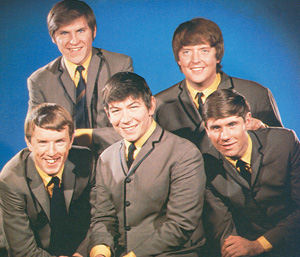
Despite their short time together at their height, they left behind an impressive legacy. As with similar articles (such as my look at the wider impact of The Animals and The Bryds), I’ll try to keep it brief, focusing on the factors that I believe made The Doors unique and influential.

So, on the understanding that this is not a definitive history, let’s dive in…

A quick rise

The Doors were formed in Los Angeles in 1965 by vocalist Jim Morrison and keyboardist Ray Manzarek, initially under the name Rick & The Ravens with Manzarek’s brothers Rick and Jim. They soon changed their name to The Doors in honour of Aldous Huxley’s book The Doors of Perception, recording their first one demo along with drummer John Denmore. After brothers Ray and Jim left the group, the group, guitarist Robby Krieger joined the band and the classic lineup of The Doors was complete.

They very quickly became popular, despite having played few gigs. In the start of 1966, the band managed to secure a residency at The London Fog club on Sunset Strip by having all of their friends turn up to their initial trial gig and cheer loudly. This residency not only gave Morrison the chance to overcome his stage fright, but also provided an opportunity for the band to experiment with their songs, many of which appeared on their debut album the following year.

In May 1966, the group became the house band at the more prestigious Whiskey a Go-go club, supporting the visiting acts such as Van Morrison with his band Them. By August, The Doors had been signed to Elektra Records. They recorded their eponymous debut album the same month, released at the very start of 1967. Their follow up, Strange Days, was released in September of the same year. This started an impressive run which saw the band release one studio album every subsequent year, ending with LA Woman in April 1971.

(copyright Elektra Records)

A polarising frontman

Over the years, Morrison’s behaviour had become increasingly erratic and difficult for the ban to manage. He was already living in Paris by the time LA Woman was released, taking time out from the group to focus on his poetry. He was dead just three months later, likely of an accidental overdose on heroin (although no autopsy was performed to officially rule the cause of death).

I put out a poll on my social media pages to canvass for opinions on The Doors. It seemed that, by and large, those who said they didn’t like the group generally cited Morrison’s vocal delivery style lyrics, or his persona as the main reason. He seems to have become a love-him-or-hate-him figure in music history. For some, Morrison represented the epitome of a certain type of masculine sexuality. Several bedrooms have been adorned with posters featuring well-known pictures of Morrison, topless and brooding. which seemingly turned ob as many people as it turned off.

Furthermore, in passing away at such a young age, fans never had the opportunity to watch him grow old, or indeed display an change or sense of ongoing maturity in his work. What is left behind becomes immortalised, while Morrison himself became a legendary figure. His grave in Paris remains a popular tourist attraction for would-be Bohemians to congregate.

But what we’re the critics opinions of Morrison before he died? The music of The Doors left fans divided. Fiona Sturges claimed that “Lester Bangs was right when he described Morrison, the son of a US rear admiral, as ‘a drunken buffoon masquerading as a poet‘” (quoted in The Independent, 2012). Yet Bangs had the maturity in later years to recognise the legacy of Morrison on his peers:

Think about it. Without Jim Morrison no Patti, but what’s more or less no Iggy perhaps no Bryan Ferry in his least petit-bonbonned moments. Without Iggy, of course, no punk rock renaissance at all, which means obviously that Jim was the real father of all that noise

Lester Bangs, writing in Creem Magazine (1981)
Morrison, circa 1967 (pic credit: Joel Brodsky)

Similarly, the music was considered by some to be twee in places (with those fiddly organ lines) or even downright pretentious. Listening to their entire run of six albums highlights inconsistencies in style, but I’d argue that this was common for groups at the time. In a time of psychedelia and increasing experimentation in pop music, record executives seemed to have lost their sense of what would sell and what wouldn’t, and allowed some artists time – and often several albums – to find a formula that worked. The Doors were no exception to this, although I believe they stood out for a few reasons.

Grounded in the Blues, but not limited to them

Like many bands of the time, The Doors were rooted in the Blues as the bedrock of their sound. When he wanted to, Morrison could write lyrics that were reminiscent of blues men such as Muddy Waters or Howling Wolf,such as on Love Me Two Times or LA Woman, for two well-known examples.

Musically, many of the songs were grounded with blues-based riffs, common to other R&B acts of the time. It was the combination of electric blues with the more poetic elements to Morrison’s words, coupled with a sense of exploration and a willingness to add elements of jazz to their sound, which gave The Doors an edge over their contemporaries in the world of psychedelic rock.

No bass player?

No – not for their live performances, at least.

In the studio, Doors producer [name] felt that Manzarek’s left-hand organ bass notes didn’t cut through as well as the second of a plucked string, and a session bass player was called in. This started something of a tradition for the band, who had bass guitar on the vast majority of their recorded material while maintaining their bass-less quartet format onstage.

In most cases, the session bassists – including bit hitters such as Harvey Brooks (who had played on Dylan’s first electric album and subsequent live shows) and Jerry Scheff (who has played with everyone from The Everley Brothers to Elvis Presley’s Vegas band) – were given strict instructions on what to play. This often following the Blues-based riffs. Otherwise, they simply filled in the sonic space a little, leaving ample room for [keys] and [guitar] to take flight, often in surprisingly intricate ways (a full and fascinating read on the bass players working with The Doors can be found here).

Robby Krieger’s guitar style

The final element to be discussed is The Doors’ guitar player, Robby Krieger. Although the last member to join the band, his playing gave the group a certain ‘lift’, mixing various styles and moving beyond solely blues-based lead lines.

Before picking up the electric guitar, Krieger had studied flamenco, who requires a strong right hand picking technique. Elements of this can be heard throughout the band’s output, not only in overt references such as Spanish Caravan, but also in his jazz-rock solo on Light My Fire. Krieger also maintained the flamenco/classical tradition of playing fingerstyle, eschewing plectrums (is it that plectra?) for his entire career.

Krieger, circa 1965 (pic credit: Chris Walter)

As I sat down to research and write this article, I started to realise the extent to which Krieger had been an influence on my own lead guitar playing. However, I rarely cite him as an influence. This may due to our similarities in background; I too, was a classical guitar player long before I started on the electric guitar, and my first electric influences were blues players and the experimental artists of the nineteen-sixties.

It may also be that Krieger’s influence came indirectly, via the first ever tuition book I bought to help me learn lead guitar, Lead Guitar by Harvey Vinson (which is a whole thing in itself – expect an article all about it in the near future). Looking back through the example riffs in that book, most of them could easily have been lifted from Doors tunes. I even owned a cheap SG copy too, but that’s a story for another time…

Recommended listening

There’s something interesting to be found on all six of the band’s studio albums. It is worth giving them all a listen to see what jumps out for yourself. Having said that, I find that for me, their first two LPs The Doors and Strange Days (both 1967), as well as their final offering, LA Woman (1971), showcase the group at their finest.

As always, let me know what you think. I enjoy having discussions with readers who get in touch and would love to know your opinions on The Doors, Morrison’s legacy, Krieger’s technique and everything else. But for now, this is the end

Happy New Year

Music

2022 has come to a close and I’ve had a stinking cold and been on the verge of losing my voice for the last few days. My final gig of the year was a New Year’s Eve show with Nick Gladdish, where I luckily don’t have to do much singing!

Next year brings more gigs of various kinds, on top of my ongoing Music Therapy work. I’m also looking forward to getting back into the studio to rehearse and record my old pal Nick’s next album at the start of 2023.

Speaking of studio time, next year will also see a couple of new projects from me, including a few releases of original instrumental material, both for solo guitar (under the working title Sketches) as well as some jazzier stuff with a small group of friends (still working out the details for that one). These pieces have been clogging up my drafts folder for ages, so I plan to record and release them before the end of 2023, meaning that I never have to think about them again!

I’ll keep you all updated via this blog. I’ll also try to keep up the musical articles, including more entries to the Great Guitarists series. In addition, keep an eye out for my round up of my favourite books read in 2022, coming sometime this month.

So enjoy the rest of your festive season, look after each other, and all the very best for the coming New Year. See you at a gig soon…

Tim x

Creativity v Convention: What happened to improvisation in classical music?

Music

During lockdown, I wrote a piece featuring only a starting and ending theme, leaving the space in between entirely free for the performers (taking turns) to improvise. Players had complete freedom of expression in how they choose to navigate from one theme to the other. The notes they chose, how long they took, and style were entirely at the discretion of each performer.

I approached a few of my musician friends to test this conceptual piece out. When faced with no rules and no harmonic foundation on which they could improvise against, many of them struggled. I found this surprising, especially from performers I know to be excellent jazz improvisers.

However, my friends who are classical musicians failed the task entirely. Why?

Improvisation seems to have all but disappeared not just from the repertoire of classical music, but from the skill set of classical performers. Audiences attending classical concerts and recitals generally expect to hear faithful renditions of the pieces they know, and doubtless have in their music collections at home. Deviation from the score is seen as a failure, perhaps even an insult to the express will of the composer.

It wasn’t always this way. Many early pieces were based around a framework where improvisation would be expected, not just on the main theme (similar to a jazz ‘head’ followed by solos nowadays), but in the accompanymeny itself. The basso continuo parts in Baroque scores (usually played by the harpsichord) were loose fragments, using a special shorthand (known as figured bass) to highlight the expected harmony at certain points in the piece. It was up to the player to fill in the gaps. Similarly, soloists were given freedom of expression in their performance, often at the end of a piece in a completely improvised coda known as a cadanza:

It was the performer’s job to “finish” the composition for the audience (in the same way, today, that an interior decorator finishes the work of an architect and a builder)

Rhode Island Philharmonic, THE STORY BEHIND… (2021)
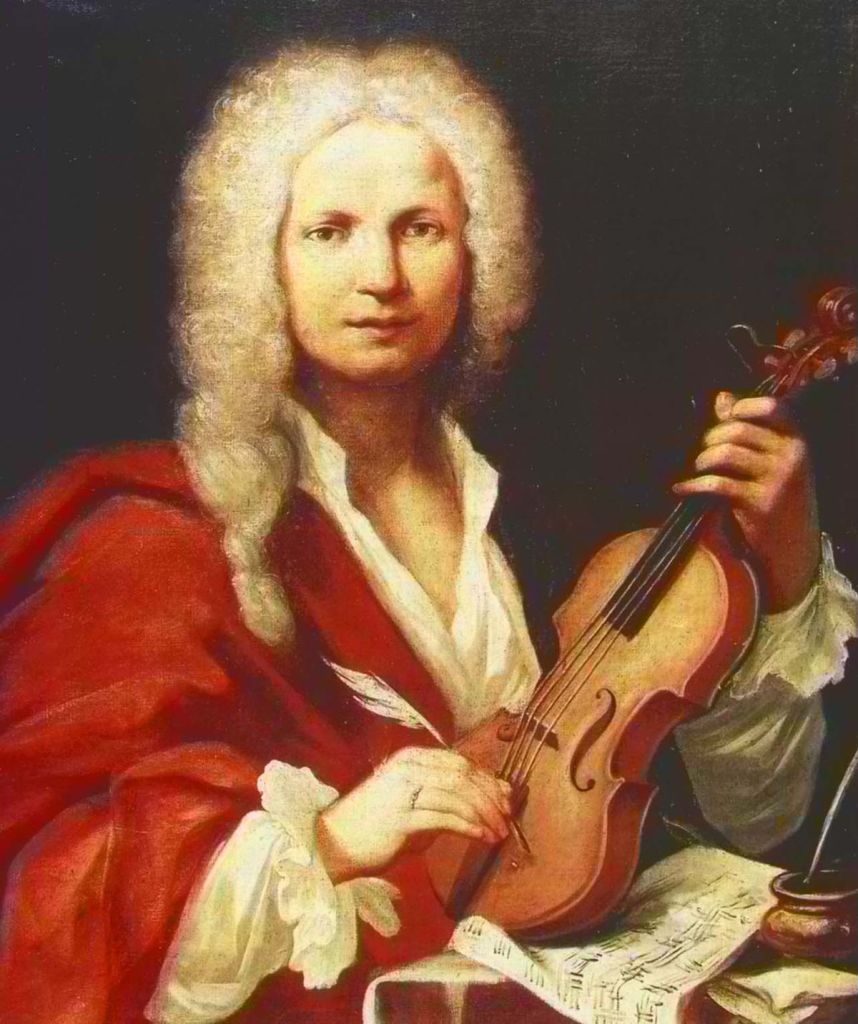
Composer & violin pioneer Antonio Vivaldi was renowned (and even feared by his peers) for the virtuosity of his improvised cadenzas (picture credit: Eboracum Baroque)

Nowadays, there is almost no improvisation to be heard at a classical concert or recital. Sticking strictly to the notes on the page has become convention.

Did the beginning of the end start with Beethoven? His fifth and final piano concerto, the so-called ‘Emporer Concerto’, features a unique instruction at the end of the first movement: “Do not make a cadenza, but immediately proceed to the following” (usually marked on the score as Non si fa una cadenza, ma s’attacca subito il seguente).

At this time in his life, Beethoven once one of the most celebrated piano improviser of his time, if it the best among his contemporaries, was now struggling with his hearing to the extent that he was no longer able to improvise when playing alongside an orchestra.

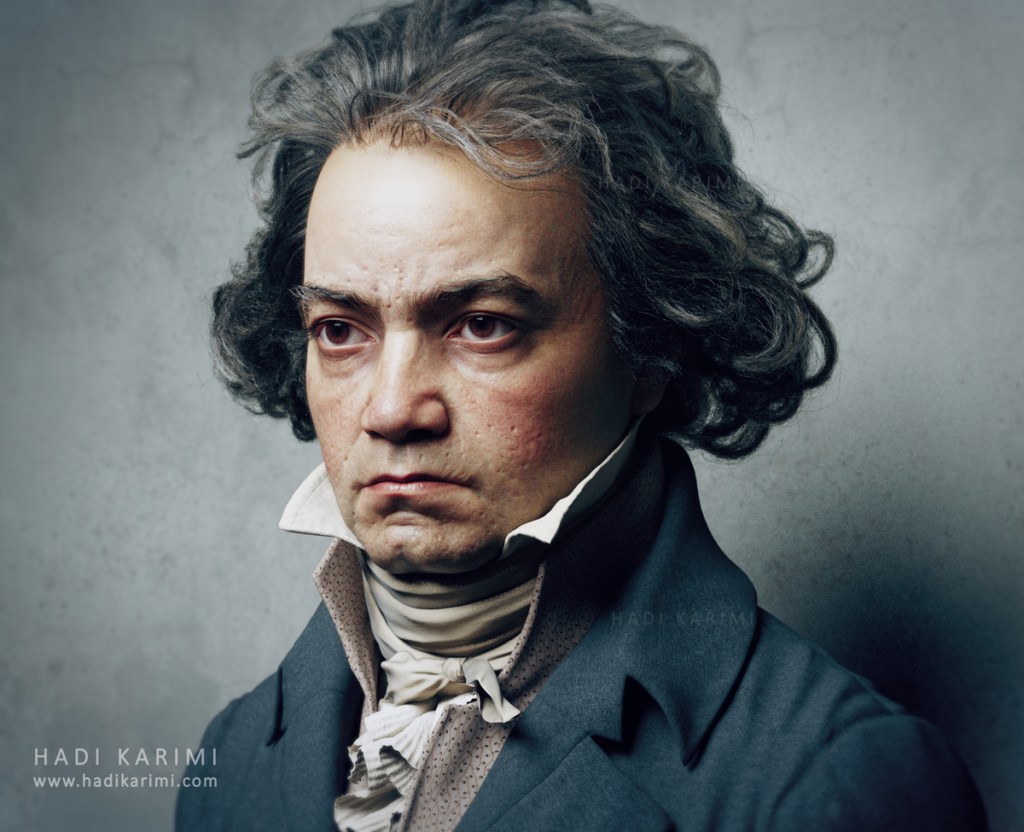
A wonderfully striking 3D interpretation of Beethoven’s portrait, circa 1812 (picture credit: Hadi Karimi)

Some believe that he decided to formally write a cadenza to be played as written, which was very rare for the time, almost out of a sense of spite; frustration at not being able to improvise the way he wanted to led to the instruction specifying that no other performer could either.

At the same time, pieces were becomg more elaborate, orchestras were increasing in size and composers were becoming more experimental and imaginative. This left little room for the spontanetny of one individual’s instantaneous composing. Similarly the widening of audiences themselves to include more of the emerging middles classes led to an increased formalisation of concert going etiquette, much like the ever-expanding rules of dining (which fork to use, passing the port from the left). Invented rules designed to separate the ‘old money’ from the ‘neveau riche’ soon became simply the way things are done. Instruction because convention. Convention became tradition.

So how do we come back from this? There are those who argue that without the skill of improvisation, you’re not a complete musician.

When we repeat music we have learned by rote, are we repeating memorised phrases in a foreign language in which we are unable to actually converse? Music is, after all, the oldest language. We don’t exchange information and ideas solely through the quotation of famous speeches (at least, not most of the time), so why does this still such a strong convention in western classical music performance?

That’s just how things are done around here.

There is something stultifying about a tradition where millions of pianists are all playing the same 100 compositions… everyone has to play a Bach prelude and fugue, a Beethoven sonata, a Chopin nocturne, and we’ll do that until the end of the world, something in our soul dies

John Mortensen, quoted in The Guardian (2020)

But it doesn’t necessarily have to be this way.

Real art is about breaking the rules and going against convention. Perhaps it is time classical performers took back their right to own their own performance and interpretation. Audiences won’t mind (according to this relatively recent research). Beethoven and the Old Masters won’t mind. They’re dead, but their music doesn’t have to be…

Upcycled music: Neil McHardy ukulele review

Guitars & Gear

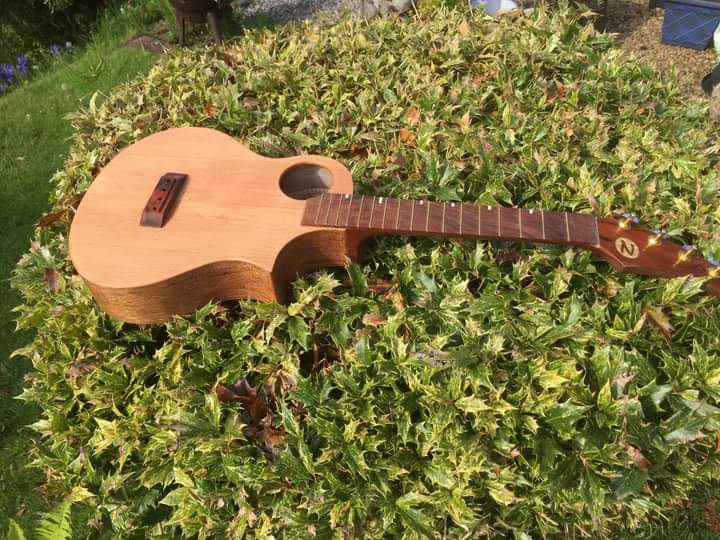
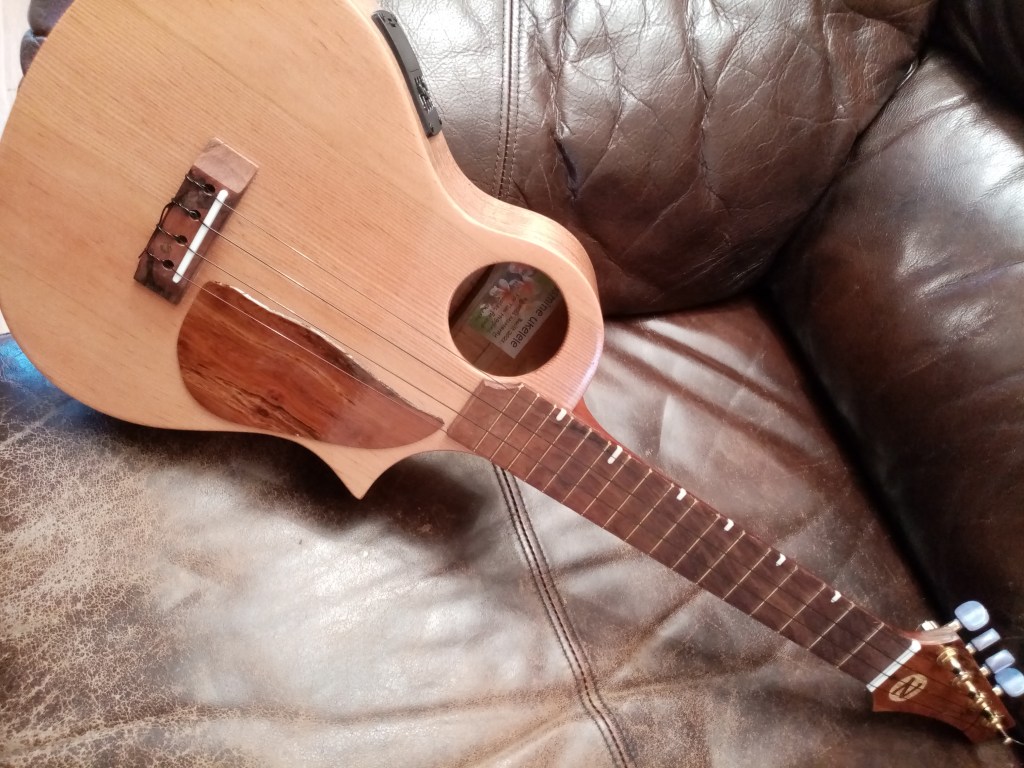
Last year, I commissioned another custom-built instrument. I was in the market for a ukulele I could take out to gigs, as my existing concert sized one did not have a pickup or preamp attached. Knowing Neil McHardy in Cumbria has built a few ukes recently, I asked if he would consider making a tenor sized electro-acoustic model for me. McHardy guitars operate from a village in Cumbria, making acoustic instruments out of recycled wood. Some of you may remember built his first ever classical guitar at my request, mainly out of an old table (you can read the full review by clicking here).

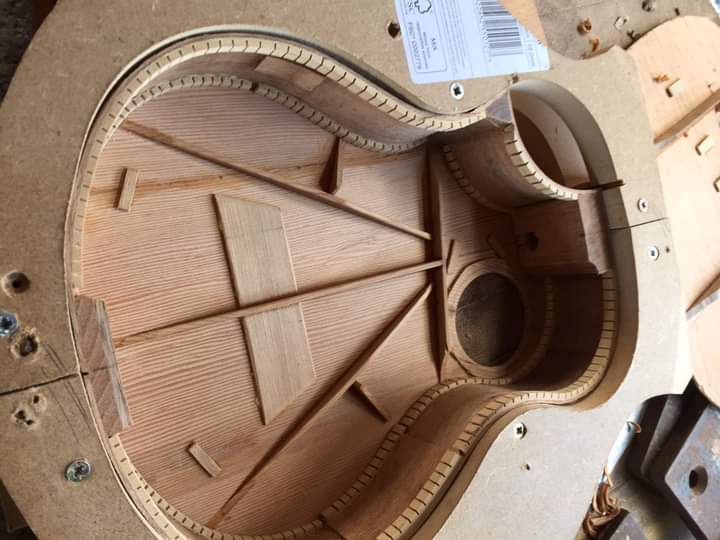
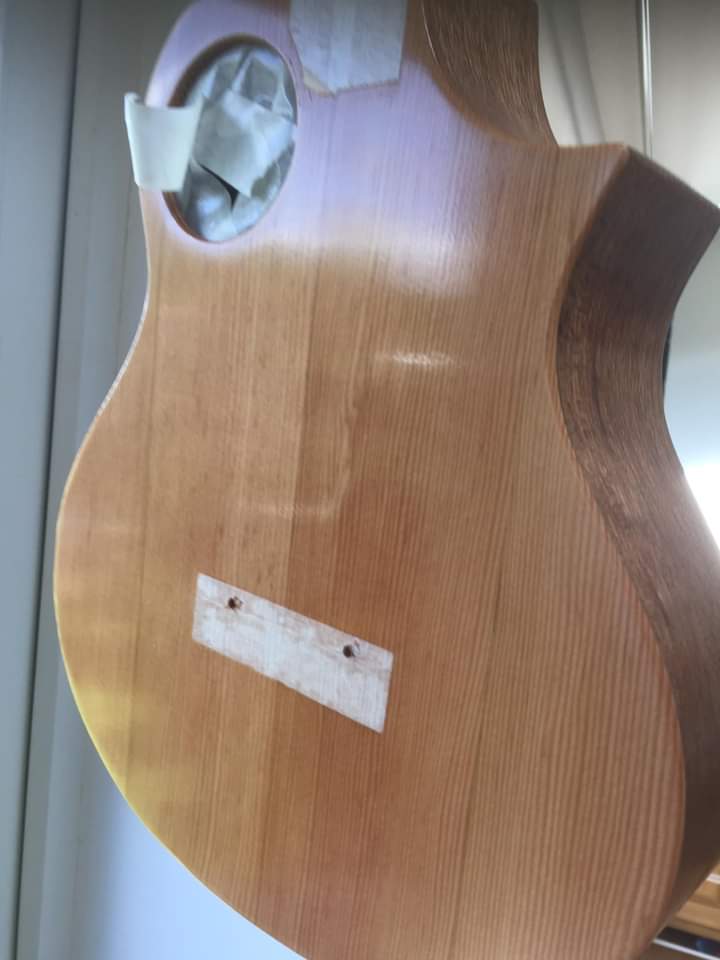
This time around, I was happy to let Neil design it pretty much however he wished. I am a fan of his signature offset sound holes, and my only stipulation was to include a preamp so the ukulele could be used for concerts and recording. As always, Neil sent regular updates on how the build was progressing (see pictures) and was always happy to impart gems of guitar and uke building knowledge.

Size matters

So what is the difference between a concert and tenor sized ukulele? A tenor is larger than a concert, sometimes up to four inches longer, but they are tuned the same. In fact, soprano, concert and tenor ukuleles can all be tuned the same (G4, C4, E4, A4). The main difference is volume and depth of bass response which the larger bodied instruments benefit from.

An example of the size and scale differences between different types of ukulele

With tenor ukuleles, some players also use a G string which sounds an octave lower (G3), effectively making he open strings sound exactly the same as the highest four strings of a guitar at the fifth fret. I can see how some players might find this easier, especially if they are migrating to the ukulele from the guitar. Personally, if I needed that sound, I’d put a capo on one of my guitars, so I have opted for the more traditional uke tuning.

Specifications

The finished instrument is made from recycled Douglas Fir and Spanish Cedar. The face plate and scratchplate (or golpe) are made from fallen trees Neil found on a walk, and feature the most stunning grain, on which Neil has placed the tuning pegs in a line (rather than two per side, as is traditional).

With the addition of a good value preamp (powered by an easily removable 9 volt battery), this new uke was fitted with strings and Neil contacted me to collect it.

I love the look of the grain on the golpe and faceplate, and was impressed with the instrument’s volume when strumming it unplugged for the first time. Plugged in, it sounded the same as it did acoustically, just with the potential to go a lot louder – which is exactly what I would expect.

Family photo with my previous McHardy build, my gorgeous classical guitar

Unfortunately, I haven’t had the chance to try it out onstage yet, but I plan to use it in an upcoming recording project (more details on that to follow). But when that material comes to the stage, this uke will be out on the road with me. I can’t wait.

Things learned from watching The Beatles: Get Back (review)

Music

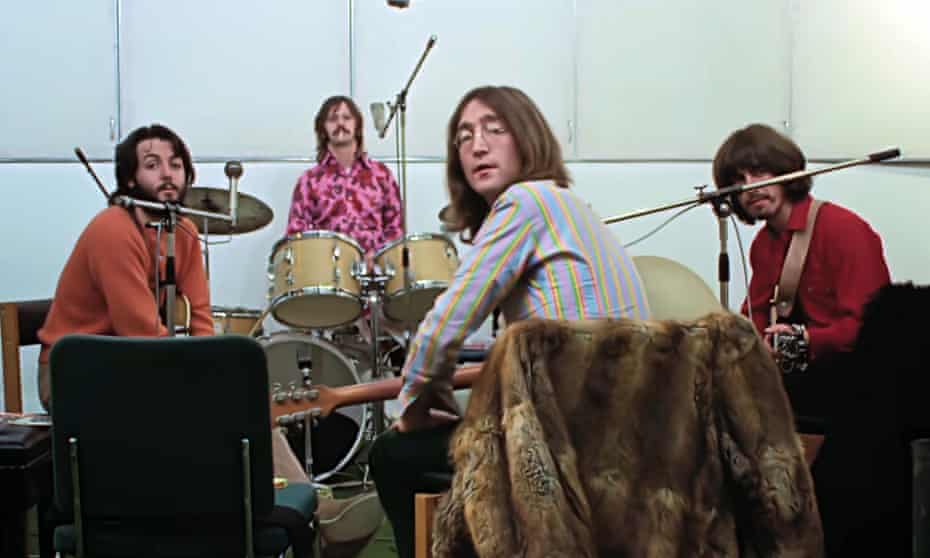
I’m a little late to the party, but I finally managed to watch The Beatles: Get Back. While it was incredibly interesting, I wonder if many casual fans were deterred by its duration. I’ll provide a little background then highlight the main takeaway points I found from this miniseries. If you have watched this, please let me know your thoughts!

Background

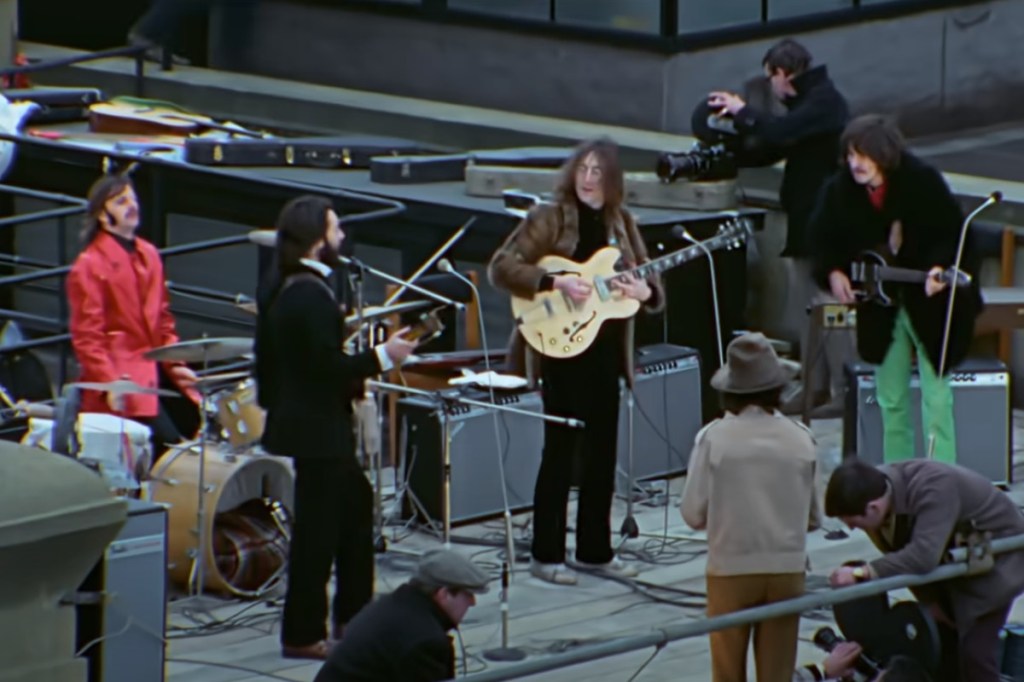
Peter Jackson’s documentary launched at the very end of November last year, in three 2+ hour installments. It covers most of January 1969, when The Beatles, assistants and tech crew assembled in a large recording sounds stage with a documentary film crew in tow. The original plan was to record an album of brand new music, written from scratch and performed live in some form. In the end, sessions were strained before the group love to the new studios in the basement of the Apple Corps (their own record label) offices on Savile Row. The project culminates in a half hour performance on the roof of this building before the police arrive to shut it down.

The music from these sessions was eventually released shortly after The Fab Four had split up. Legendary and infamous American producer Phil Spector was hired to make an album out of the material available, which had been largely worked on by regular Beatles producer George Martin and engineer Glyn Johns prior to the abandonment of the project. The resulting album (Martin later said that he produced it, and “then Spector over produced it” ), now called Let It Be, was released in 1970, seemingly against The Beatles’ wishes. Indeed, Paul McCartney eventually stripped the record of the elements Spector had added – the choir, stings, horns, etc, and re-released the record as Let It Be… Naked in 2003, hoping to finally covey the project’s original direct-to-tape aesthetic.

Parts of the film footage was released in a documentary film of the same name. But 50 years later, after hundreds of hours of footage was discovered intact, Jackson (director of the Epic Lord of the Rings film trilogy and a self proclaimed Beatles super fan) stepped in to create a new documentary which told the full story of this short period in Beatles history. It includes a vast swathe of footage never seen before, including moments when The Beatles did not realise they were being recorded (such as a microphone hidden in a canteen flower pot which picks up John Lennon and Paul McCartney frankly discussing how their own egos getting in the way of their music). Overall, it’s fascinating and many musicians I know have marvelled at being able to see how The Beatles worked out songs such as Get Back and Dig A Pony. Here’s a few other things I observed

Paul doesn’t seem to know what he wants

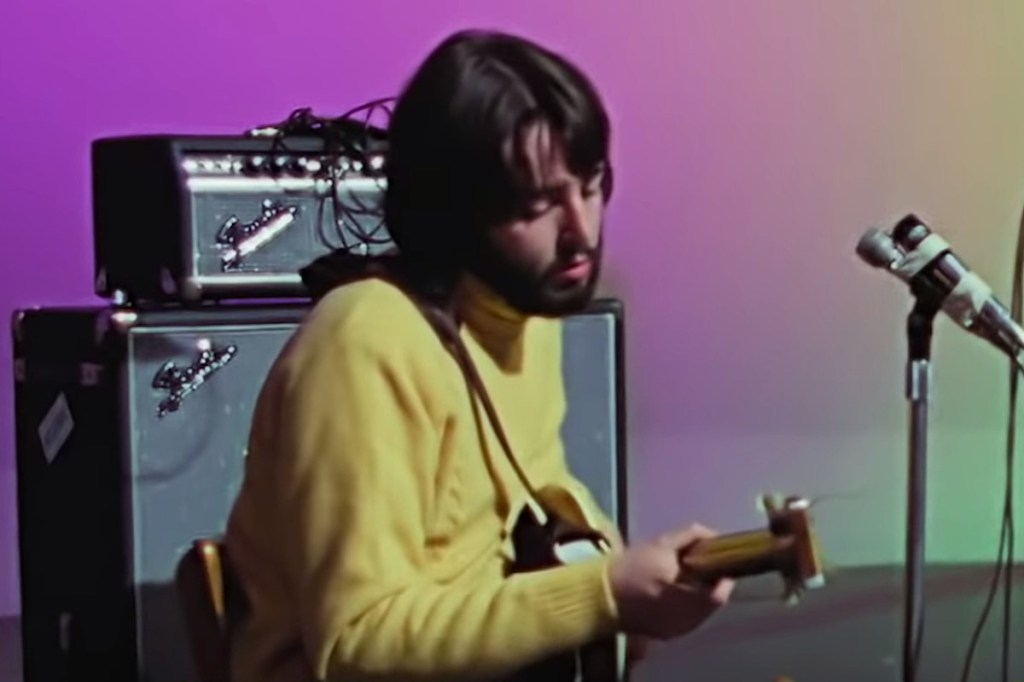
Most of the Get Back project appears to be McCartney’s idea. He is the driving force behind the ‘live’ aesthetic, either in the form of performing to a live audience or recording without overdubs. However, he also seems a little lost and unsure of what he actually wants to look like. Sometimes it seemed like he was genuinely running out of inspiration (while simultaneously writing some great songs seemingly from scratch), and on other occasions he appears to have ore of a plan than he lets on, but is hesitant to force it onto the rest of the group. Perhaps he feared a mutiny if he pressed his ideas too forcefully. This does indeed happen in Episode 1 when Harrison reaches the end of his patience for having his playing criticised by McCartney (often without him providing a clear idea of what he wants George to play). Seeing McCartney’s indecision, or fear of being too forthright with his ideas, shows us a project that is doomed from the start.

Yet McCartney is not lacking in songwriting inspiration. He brings in Let It Be and The Long And Winding Road to be rehearsed by the band, having apparently written both if these songs almost to completion at home. I was left with the feeling that these were ‘back pocket’ songs; perhaps ones McCartney had considered keeping for a future solo album? However, when it becomes clear that the group don’t have enough material, he puts them forward, and of course, they end up being among the highlights of the subsequent album.

There is small but telling detail which emerges very near the end of Episode 3, after the rooftop concert has been finished and the band are recording the final takes for the album. During a moment listening back to a recent take of The Long and Winding Road, regular producer George Martin mentions McCartney having discussed adding a sting ensemble to fill out the sound on the record. The moment goes by quickly, and McCartney is very noncommittal in his acknowledgement of this statement, but it goes very much against the straight-to-tape aesthetic pursued by none other than McCartney himself. It indicates to me that perhaps his stated intentions and private desires have not always been the same.

Two things saved the session from an even earlier end

The huge soundstage The Beatles start in gives them acoustically-related problems from the outset, and appears to prove a hindrance to their creativity. Speaking from my own experience, it is hard to really dig into new songs, or even your own playing, if you’re struggling to hear everything around you clearly. Their decision to relocate to their just-completed basement studio in the Apple Corps office gives them the opportunity to work on the songs they have started in a more familiar and better sounding environment. You can see in Episode two how much more quickly things come together for the group after the move. But there is anoter factor which helped things along considerably, and arguably saved the project altogether…

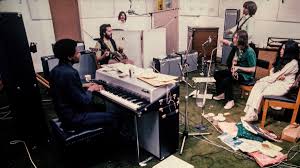
The arrival of Billy Preston to the sessions is the real turning point in the Get Back sessions. The Beatles had first met Preston in their early days of performing in Hamburg. Preston was part of Little Richard’s band and was in London performing with Ray Charles when he ran into George Harrison and popped into the sessions to say hello. Once invited to sit in on electric piano and organ, something clearly changes for the better in the atmosphere of the sessions. This happened once before during the recording of their previous album, 1968’s The Beatles (also known as ‘The White Album’ due to it’s blank cover). Harrison has spoken about having fond memories recording While My Guitar Gently Weeps with Eric Clapton providing an (at the time anonymous) guest solo, because the band were all on best behaviour in the presence of a guest and friend. In a similar way, things seems much less acrimonious or stressful once Preston starts adding to the Get Back sessions. It is clear that the group enjoy his contributions. Lennon even suggests recruiting him officially, to which McCartney counters that it is hard enough reaching agreements between the four of them already! The value which The Beatles themselves placed on Preston’s presence is evidenced in the initial release of the song Get Back as a single – it is credited to “The Beatles with Billy Preston”. High praise indeed.

Ringo seems to play no part in the decision making process

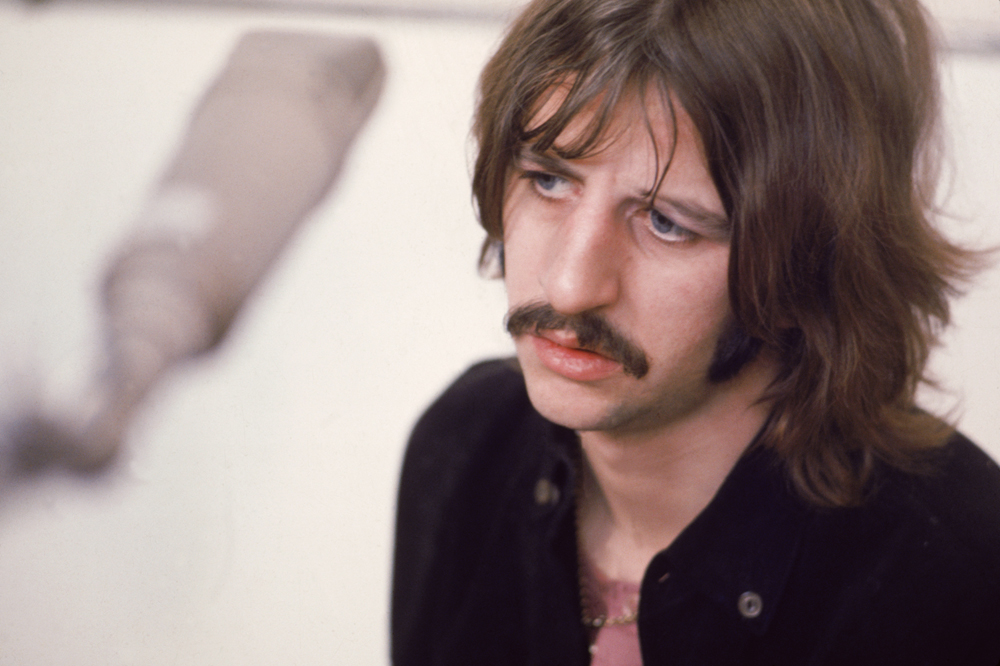
The Get Back sessions are full of decisions, indecisions, wrong decisions and changed decisions. Arguments, conflicts, reflections on their egos and statements of intent. But none of them come from drummer Ringo Starr. Although jokey and stylish as ever, once he sits behind the drum kit, Starr quietly listens as the three remaining members pf the band discuss arrangements or argue. Sometimes suggestions or directions are given to him on how he should play. Interestingly, he is more often than not left to create his parts based on what he hears, showing a high level of trust his band mates place in his abilities.

Yet I still found it striking how – in these sessions at least – it is Starr who is the real ‘quiet one’ of The Beatles.

Several elements precipitated the breakup of The Beatles, but Yoko Ono probably wasn’t one of them

Yoko Ono is a presence throughout this documentary series. But it doesn’t appear disruptive. Sure, during some of the downtime moments, she joins in the free-spirited jams by wailing down a microphone, but most of the time she sits by Lennon, supporting him silently in a way I think he obviously needed at the time. She is seen chatting amiably with the wives and girlfriends of the other members of the band, but nothing we see of her in this series, either voiced aloud or whispered into Lennon’s ear, gives any indication that she was responsible for the tensions the band faced, or their eventual breakup later in the same year.

Those tensions, and those decisions, came from the same place they had since the passing of the band’s manager Brian Epstein a few years before – they came from the four members of The Beatles themselves.

Final thoughts

It was fascinating to see how big the team around The Beatles had become by this point in the life of the band. From the arguments and arrangements to the songwriting and even the business side of The Beatles rearing its head again and again, we are given a clear picture of a small group of people hemmed in by their own success and unsure the best way to continue. Although their main team is comprised of trusted individuals, long term partners and even old friends from their days in Liverpool, the heart of this miniseries is the four members of The Beatles themselves. Many were close – very close. But the only four who really knew what it meant to be a Beatle were John, Paul, George and Ringo. Somehow, it seemed to keep the together, against everything and everyone else. At least, that is, for a time.

Overall, this is a truly fascinating insight into the end of one of the most influential, if not the most influential, musical groups in popular music history. The famous rooftop concert might be one of the less interesting things in this entire series, though this might be because many of us have seen or heard this before (indeed, a few of the live tracks from this concert were used in the final album). It was so much ore enlightening to see the group at work, crafting and recording songs, just like musicians across the world still do today. It is worth watching, but be warned, it’s a long, deep dive…

Happy New Year, everyone. Here are some resolutions for guitarists (reblog for 2022)

Advice & Tips

Hi all and welcome to 2022! You may have noticed that things have been a little quiet on this blog for the last few months. This is for a number of reasons, but don’t panic – I’m fine, just incredibly busy! Expect more posts in this new year, as well as updates on exciting new projects I’ve been working on. In the meantime, here’s a slightly rejigged post on New Year’s resolutions from a few years back. I hope you enjoy it! Until next time...

As a general rule, I don’t believe in New Year’s resolutions. My philosophy is that changes can be made at any time, so why wait until January?

However, there is something about the end of a year which causes us all to reflect on the previous twelve months and start focusing on our plans for the next twelve. For us working musicians, this would usually mean that we have reached the end of one of our peak times, the ‘Christmas Party Season’. For over a decade (pre-pandemic), I ended the year with a NYE gig. However, for obvious reasons, things have been a little quieter by comparison, which gives us time to ponder on the gigs we’ve enjoyed, what we didn’t enjoy, and what we hope to change for the new year.

So, with that in mind, here are a few of my suggestions for guitar-related resolutions for musicians looking to grow as better musicians in the coming year:

Learn a new style

Always wanted to start learning those jazz chord voicings? Perhaps you keep meaning to work on your reggae & ska rhythm playing? Or your country picking? Blues slide? The list goes on…

Take the time to work on these new genres & styles of playing. We are very fortunate to live in a time where we can access a world of free tutorials on the Internet, or videos in YouTube. However, don’t rule out the possibility of taking lessons to focus on specific areas – working one to one with an experienced guitar tutor does wonders for improving your playing!

Mix things up

Learning a style doesn’t mean you have to abandon all you know & travel the world playing strictly Django/gypsy jazz for the rest of your life (though I imagine there are plenty of worse ways to live)!

Have you found that the majority if your playing has been on acoustic guitar? Trying swapping to electric more often (or vice versa). Do you always practise at the same time of day? If possible, can you change to a different time? Your brain operates differently throughout the day – you may well find yourself going down very different musical avenues simply by switching from a morning to an afternoon practice session.

Sometimes learning to play a song you are very familiar with in a new style works brilliantly in helping your playing. Not only do you freshen up material which might be getting a bit stale, but you’ll have a safer means of exploring new options in your guitar playing.

One area of guitar playing I can’t recommend highly enough is solo performance. By this, I don’t mean the lead guitar solo in a song, but playing the melody, harmony, rhythms, etc on one unaccompanied guitar. It’s something a piano player wouldn’t think twice about, but I’m frequently amazed at how many guitarists simply haven’t tried it properly! If you’re unsure about how to start doing this, there are several books, online tutorials (like this blog!), and of course YouTube videos to help inspire you. Which brings us nicely in to…

Widen your horizons

Music is a language. Even when playing on your own, you are creating sounds for yourself to hear, effectively taking to yourself. But there’s only so long you can do that before you end up going round in circles, or going crazy!

Set yourself the following challenge for the year: discover a new artist each month. Learn from what you hear. Take examples of their playing & try to incorporate it into your own. It can only make you a better guitarist! The beauty of this is that you don’t have to focus on other guitar players. In fact, it might be better not to! Many of the jazz & Blues guitarists I admire take inspiration for their improvisational playing from horn players, translating their melodies & ideas into their own instrument. Try it!

It also helps to get out amongst other musicians, jam, join or start a new band, particularly in a new style. It also goes further than this – always wanted to sing while playing? Start! Learning a new instrument? Do it! The best way out of a rut is to climb upwards!

Get your music ‘out there’

…And if you’re meeting new musicians & launching new projects, you’re already doing this. Go to more live gigs and make sure you perform live yourself more often (when you can), especially new and original music. I know all too well how easy it is to get stuck in one ‘world’ for longer than you might like, finding it hard to make the time to do other things, but I promise it’s worth the effort.

Remember to have fun while you’re out there expanding your guitar playing horizons!

To finish off, allow me to wish you all the very best of health & happiness for the New Year! Let’s make 2022 – like every year – a great year for music, for the guitar, and for you!

Please do get in touch to tell me what your own guitar/music new year resolutions are, and stay in touch to let me know how you’re getting on with them! Tim xx

Reblog: Three things we can learn from Sir George Martin (1926-2016)

Advice & Tips

Legendary producer of The Beatles, Sir George Martin, passed away on this day, five years ago. The following day, I wrote this article on a now-defunct page. Reposting here to mark this sad anniversary:

Sir George Martin, most famous for acting as the producer of all but one of The Beatles’ albums, passed away yesterday, aged 90.

Beatles_and_George_Martin_in_studio_1966

Already, reports and obituaries have been published, quoting Martin and highlighting his amazing achievements with and without The Beatles. Though Martin was a producer for over a decade before meeting them, it is undoubtedly his work with this music-changing band, the very Zeitgeist  of musical development in the nineteen-sixties and beyond, for which he will be best remembered and discussed for years to come.

There’s been plenty of debate on whether or not The Beatles succeeded artistically because of suggestions made by Martin, or if he was simply very effective in channelling their natural talent. In reality, it was probably a mix of the two. That in itself is not a bad legacy to leave behind.

Though Martin now sadly has passed away, we can still learn something valuable from the work he left behind. Here are my three things which we can learn from the life and career of George Martin:

Have an open mind

I’ve mentioned this in several previous posts, but an open mind and a willing pair of ears is without a shadow of a doubt the most important tool for any artist. This is especially true for musicians and producers, and a sentiment to which Martin himself prescribed more than once, including in his own books.

It is well established in rock history canon that The Beatles were been turned down by several record companies prior to being signed by Martin to EMI. Think about this for a moment: every almost ‘industry expert’ had refused to take on another guitar band, believing them to be going out of fashion. Fair enough, it is called the music business for a reason. Money has to be made and trends will always be followed. This is as true today as it was in the nineteen fifties and sixties. However, ‘following the money’ is a great way to be a follower, but you are default already a follower from the start, and not a leader.

The best leaders, artists, teachers, and indeed the best in any profession listen first. In seeing the potential that The Beatles had, Martin was able to continue listening to them throughout their eight years working together making hit after hit, and classic album after classic album. This is especially noticeable when at the point mid-sixties where the band stopped performing live altogether, becoming a studio band only. The resulting works, Revolver, Sgt. Pepper’s Lonely Heart’s Club Band, The Beatles and Abbey Road, are unique in sounding very much of their time, but still fresh and exciting in 2016.

And it wasn’t just Martin doing all of the listening. The Beatles themselves were avid consumers of art and music. In being open to anything interesting, they brought elements of avant-garde, atonalism, looping, sampling and a whole world of musical styles to their music. By opening your ears, and combining the sounds you love, it is entirely possible to produce a new work, which speaks to the future while recognising that which has gone before.

Know your limits, and push them

Looping, you say? Sampling? In the nineteen-sixties?! It is worth noting that the vast majority of The Beatles’ recorded output was recorded on a four-track (or, at very best towards the seventies, eight-track) tape machine. This was state of the art back then, but lacking in the limitless options of the digital recording software in use everywhere. Leaving aside all the other technological innovations and improvisations Martin would conjure up to accommodate the visions of The Beatles in their songwriting, there is the question of the sheer number of instruments and sounds on some songs. The solution to squeezing so many different elements onto a four-track recorder? Multi-tracking.

Multi-tracking was first developed by guitarist Les Paul some decades before Martin made such effective use of the technique. Put simply, the process involves recording onto three of the available tracks, then ‘bouncing’ that mix onto the fourth track. The process can be repeated using tracks one and two, then bouncing to the third. Then it can (if needed) be taken even further by mixing tracks three & four onto one of the other tracks, meaning there are now three left to add on more parts (and here is where I start to go cross-eyed myself!).

The biggest issue with this method of recording is the physical degradation of the tape onto which the sound was being copied. By layering track upon track, the overall mix becomes more dense, and done incorrectly, can leave with a muddy sounding, uninspiring record. George Martin, however, seems to have been perfectly capable of getting clean, crisp recordings of individual mixes, which hold their brightness as they get ‘bounced’ and mixed into a deeper and more complicated arrangement. Even with Martin’s confident ‘know how’, there was still a limit to how many additions could me made. In these days of endless tracks and almost any possible sound available to laptops worldwide, I personally don’t see the same level of mechanical creativity. Sometimes working with what you have, pushing the limits, is better than having no limits at all…

Have a sense of humour

There’s a famous anecdote – which Martin was often fond of telling – detailing the first time The Beatles first met their producer (retold once more in the Washington Post’s obituary of George Martin today). After Martin had spoke at length about the recording process, he asked the Fab Four is there was anything they didn’t like. The response, from George Harrison, was “Well, I don’t like your tie for a start…”. From there, Martin knew that they would get along famously.

A sense of humour can not only ease any tensions rising in the studio, which can be high-pressure for some acts expected to produce hit after hit. It can also serve to bridge the gap between generations. In that respect, Martin must have impressed the Beatles from the start, having quite an extensive background in comedy and novelty recordings – some of which became unexpected hits – including John Lennon’s comedy heroes, The Goons. In quite a lot of interview footage from the early sixties, The Beatles were set apart from their questioners, an exclusive club with a shared sense of humour and in-jokes which created a barrier to those outside of the group. Martin, I believe, was very much inside their ‘circle of trust’, otherwise they would not have allowed him such authority in the studio. A shared sense of humour must have been a major in-road to gaining the trust of these young Liverpudlians.

lightbox

Final Thoughts

As a musician, producer and in some ways, mentor, Martin helped the Fab Four to realise the sounds they heard in their heads. His creative, yet critical thinking fuelled The Beatles’ insatiable appetite for art, and helped their music transcend to heights which otherwise may have remained untouched. Though I have spoken mostly about Martin’s work with the Fab Four, we should be no means overlook all of the other artists he worked with & film scores he wrote/arranged. Without Martin, popular music, and therefore the world we live in today, would be very different indeed…

R.I.P. Sir George Henry Martin (1926-2016).

In praise of The Animals

Music

I recently read about the passing of Hilton Valentine, the original guitarist for The Animals, who has died, aged 77.

Valentine’s simple arpeggiated riff in the band’s version of the traditional tune House of the Rising Sun remains one of the most recognisable guitar parts in the history of rock’n’roll.

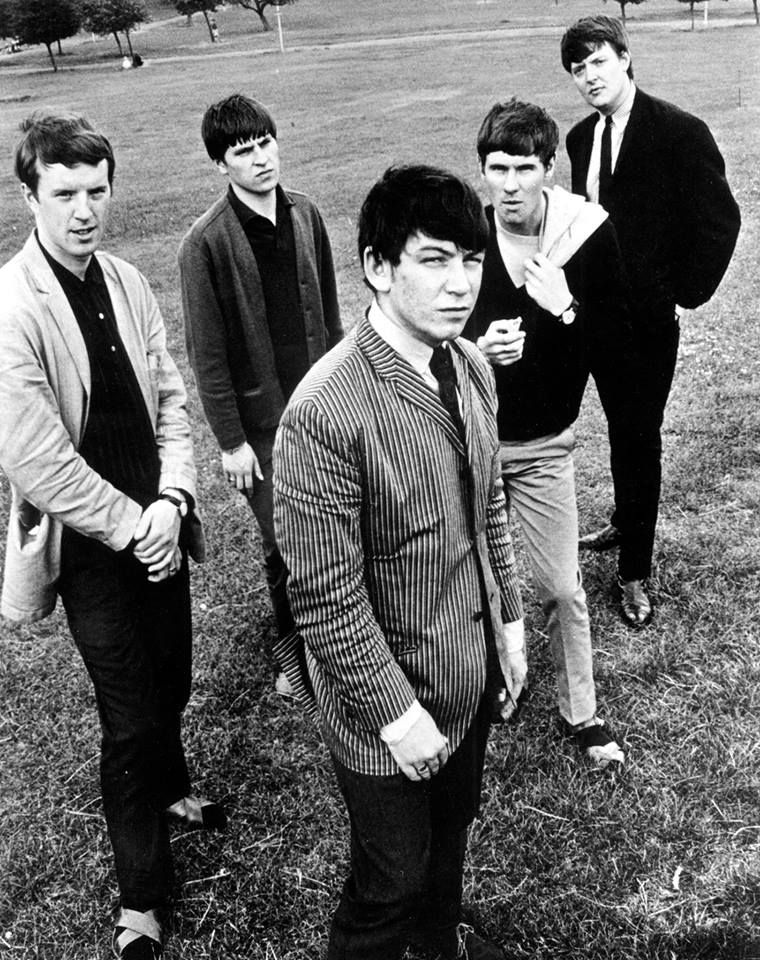
Valentine’s passing caused me to reflect on the wider influence of The Animals. The original lineup split by 1966, but in that time they recorded some memorable songs, including the huge hits We Gotta Get Out of This Place and their uptempo cover of (Don’t let me be) Misunderstood, originally written for and recorded by Nina Simone.

The Animals were one of the British groups from the early 1960s who took the R&B of the (predominantly black) artists in the US and repackaged it in a form that brought the genre – and its original performers – to a larger audience. A number of groups were part of this ‘wave’, including The Beatles, The Rolling Stones and The Yardbirds, to name but a few. While it might make one baulk to think that it took the playing of ‘black music’ by white performers to make the style palatable to white audiences in America (racial segregation still existed in some states in the early 1960s), it is worth remembering that these same audiences later turned to the original artists themselves. This created career-changing opportunities for artists such as BB King, Muddy Waters, Howlin’ Wolf and so many, many more.

Yet their influence on the artists who followed in their footsteps shouldn’t be underestimated. They were more than just local heroes in the north east of England; their activities after the breakup of the original group in 1966 led to a few significant ripples through the music world…

As well as the countless musicians who picked up a guitar to try and play House of the Rising Sun, or to start their own rhythm & blues outfit, The Animals also raised the profile of several well-known acts, one way or another.

Lead singer Eric Burdon became well respected for his soulful, yet gravelly, voice. After initially attempting to create a new version of The Animals (with only Burdon as the surviving founder member), he was soon teamed up with an up and coming R&B band. The resulting outfit – Eric Burdon and War – had success with the single Spill the Wine, and two albums together.

However, Burdon unexpectedly left the group halfway through a European tour. The band continued without Burdon, creating some very well-known hits in the 1979s, including Cisco Kid, Low Rider and Why Can’t We Be Friends?

Alan Price, keyboard player for the animals, had something if a dual career after the group disbanded. He worked with fellow 60s star George Fame for many years, while also writing film & theatre scores. He also released a few solo albums, and in his songs choices, became one of the first performers to bring the music of American songwriter Randy Newman (later famous for songs such as Short People and You’ve Got a Friend In Me) to a wider audience.

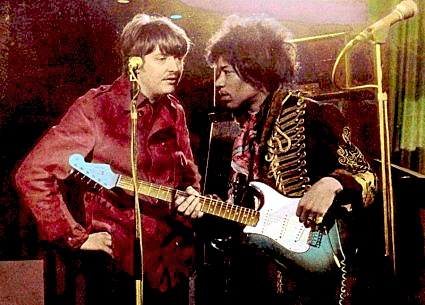
Meanwhile, Animals bassist Chad Chandler discovered a young Jimi Hendrix performing in Greenwich Village, New York, and became his manager. He set up the legendary guitar player with Mitch Mitchell and Noel Redding to form The Jimi Hendrix Experience, but used his connections to secure gigs in the UK for the group, and introduce him to contemporaries on the sixties music scene in London, such as The Beatles and Eric Clapton. In fact, the last time Hendrix performed live was onstage in London with Eric Burdon & War, the day before his tragic early death.

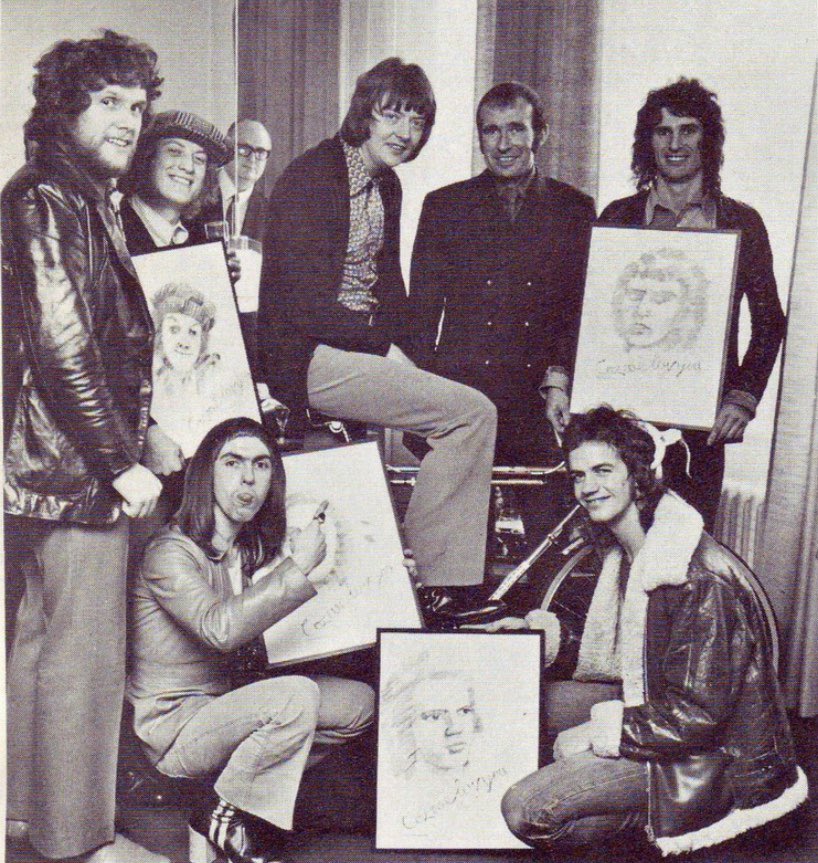
Chandler went on to manage the British glam-rock group Slade, who had several hits through the seventies (including one of the most well-known Christmas songs in pop music). His other business interests helped to build the Newcastle Arena, a sport and large capacity concert venue, which meant those of us in the region now got to see more of the bigger artists when they came around on tour!

I’m sure similar ‘family trees’ can be found throughout the history of rock’n’roll, and maybe it is the shared home region which fuels my fondness for them, but The Animals were much more than a few catchy songs and one incredibly famous guitar riff.

Rest in peace, Hilton Valentine (1943 – 2021). The music lives on.

Making of ‘Last One Get The Lights’ by the Nick Gladdish Band (part one)

Music

You may remember that I spent a few days in the studio with the Nick Gladdish Band late last year. If not, you can read about it here.

We’ve been releasing singles from the newly finished and mastered record, Last One Get The Lights, which you can see & hear on my media page, and buy online from all the usual platforms.

Here’s part one of the mini documentary made by Torn Apart TV. Part two, and the full album, will be released in a few months time.

The latest single by the Nick Gladdish Band, Ain’t The Way I Work, is available to download now.