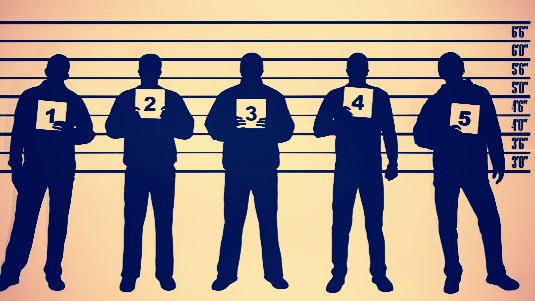
Auditioning tips (for both sides of the table)

Advice & Tips

Auditioning. In this line of work, almost everybody has to go through it at some point. I don’t know many people who enjoy the process – and by that I mean the groups holding the auditions as well.

I’ve held a few auditions in the last few years while recruiting for a few different projects. I was invited to join another group via audition fairly recently, which increased my own experience of being the auditionee for the first time in several years.

Having experienced it from both sides, here are some simple tips which will (hopefully) help make the whole thing go that little bit more smoothly.

1) Be clear about what you are looking for from the outset

Obvious but true. Many bands, in an attempt to appear open (and more likely to attract as many interested candidates as possible), will be vague about who/what they are and what they are looking for. Others may outright lie.

If you’re an act that is getting regular paid work and need a competent player, with their own means of transport, and who can read music – say so. If you don’t have any gigs at present, but are looking to get into paid work once you have a full lineup – say so. If you are mainly performing original material and the money from gigs won’t be that good – say so. If you’re all amateurs and would prefer someone of a similar playing ability to yourselves – guess what: say so!

Being upfront about who you are and what your expectations are actually saves you a whole lot of time, not least from having to filter through adverts responses from people who are simply unsuitable for your act. Likewise, auditionees looking for gigs – if you can’t sight read, don’t say you can and hope to busk it. Be clear on the styles you have knowledge of. You WILL get found out and not get the job. Worse than that, word will get around that you’re a bullshitter too.

2) Agree on pieces to go through before the audition / Plan a structured audition

You’re not doing any favours by inviting a potential band members down to your rehearsal space, shouting out the name of a tune and charging into it to see how well they cope. Even seasoned pros like to prepare first – that’s what makes them seasoned pros.

Have your space ready to go, with everyone in the band already there and set up, before the first candidate arrives. If going TO an audition, make sure all of your gear is in good working order, arrive on time and set up quickly.

Choose songs from your set, and perhaps some tunes both parties are reasonably familiar with, to work through. At a maximum, I’d suggest four or five. Make sure you also have plenty of time to chat and reaffirm exactly what it is both sides want out of working together. For a first meeting, I’d suggest an hour to an hour and a half. That should be more than enough time to find out how you gel musically, and crucially if you get along as people!
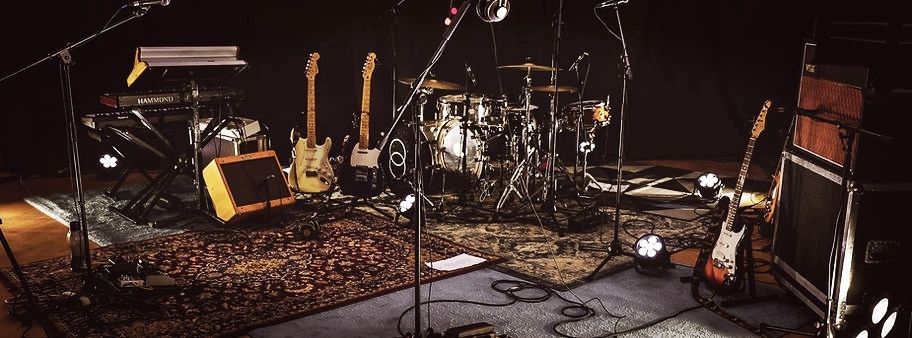
Have your audition space set up & ready

3) Relax – remember everybody is human

As I said at the top of this blog, no one I know enjoys the audition process. Try to make it as welcoming and relaxing as possible. Keep the pieces to learn down to a small number and make no attempt whatsoever to ‘catch someone out’ musically. Smiling always helps too! Even experienced players can be nervous entering a room of musicians known to each other, but not to them, and there solely to watch/listen to and assess the quality of their playing in the space of an hour or two. Keeping things short and friendly are the key elements here.

4) Follow up!

One of my biggest pet hates is when I put in time and energy into preparing for an audition or job interview, going through the whole nervous procedure, and then never hearing back. It takes minutes to drop someone a quick line to follow up, whether that is to arrange a second audition, offer them the gig or to let them know you’ve decided to go with someone else. It’s highly unlikely a rejection will cause an argument down the phone so be a grown up and get on with it!

Also, as a quick side note, have you ever found the ideal candidate through an audition, while still having other people left to see? If so, are these other candidates due the same day or in the next few days? If so, my advice would be to see them anyway – they will have put in time and effort preparing and it’s always best to have a wider network of musicians (in case you ever need a dep, etc, etc). If the next audition is not until the following week then by all means call them and politely cancel – but be nice doing it!

As a final thought, it’s worth bearing in mind one final (if somewhat obvious) piece of advice: listen. Listen to your prospective new members / band; listen to the music and how well you all play together; and finally, listen to your gut. Sometimes you can tell who the right fit it is without being too academic about the whole process.

Good luck! I’d love to hear what your best and worst audition experiences are. Drop me a message or comment below, and we can compare notes. Until next time…

R.I.P. Herbie Flowers, one of the best bass players you’ve never heard of – and what you can learn from his long career

Music

Top session bassist Herbie Flowers sadly passed away on the 5th of September, aged 86.

Although most people may not have heard of the British session musician, Flowers was well known within the music industry, having been performing and recording since the 1960s. After starting out playing tuba and double bass in the RAF in the 1950s, Flowers moved into session work and soon the bass guitar became his main instrument. Among his earliest recorded work was the band Blue Mink, who had hits with ‘Melting Pot’ and ‘Good Morning Freedom’.

Flowers soon began playing sessions for artists in the late sixties, working regularly for famous producers such as Mickie Most (The Animals, Herman’s Hermits, Donovan, Lulu, and many more), Tony Visconti (T. Rex, David Bowie, The Moody Blues, and countless others), and Shel Talmy (The Kinks, The Who, among others). His playing credits are almost too long to list. In fact, it’s estimated he’d played on at least 500 hit recordings by the end of the 1970s!

Here’s a few of the more well-known highlights…

Flowers played bass on Bowie’s eponymous second album, including his first hit, ‘Space Oddity’. He then returned to the studio with Bowie to record his Diamond Dogs album.

When working on Lou Reed’s Transformer album, Flowers created his most recognisable bassline, used on the song ‘Walk On The Wild Side’. This bassline is actually two basses a double bass with a fretless Fender Jazz playing the higher part. As well as creating a unique sound that’s harder to achieve when playing both lines on one guitar, it also allowed Flowers to collect additional royalties for playing additional instruments on the song!

In 1971, Flowers co-wrote the novelty song Grandad, sung by actor Clive Dunn. The song reached the number one spot on the UK charts the same year, where it stayed for three weeks.

Flowers played bass on Jeff Wayne’s famous masterpiece, his musical and spoken-word adaptation of War of the Worlds. He then toured with Wayne when he took his famous concept album on the road decades later.

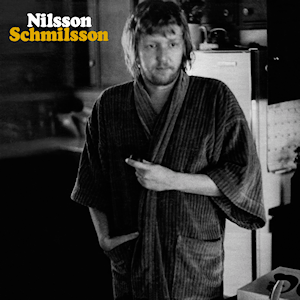
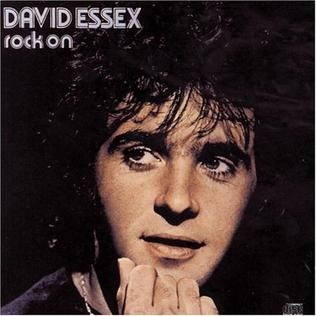
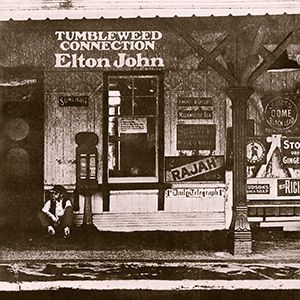
Flowers also appeared on recordings for Elton John, David Essex, Olivia Newton John, Bryan Ferry, AL Kooper, Harry Nilsson, Cat Stevens as well as on solo albums by three of the Beatles; Paul McCartney, George Harrison and Ringo Starr.

His work on a crossover record Changes by Australian classical guitarist John Williams (which included Williams’ arrangement of ‘Good Morning Freedom’) created a connection which came to fruition in 1978, when Flowers and Williams teamed up with other session musicians to form the famous instrumental group Sky. This supergroup of sorts (although only Williams was recognisable to most of the general music-buying public) released several albums over five years and toured regularly, bringing their fusion of classical, jazz and pop music to a wide audience.

What can we learn from Herbie Flowers?

Unlike other famous session men, such as ‘The Wrecking Crew’ in the USA’s pop music scene, Flowers seems to have developed a good reputation as a reliable performer, making him the first-call for several producers and composers. Why was this?

Put simply, he was not only a good musician, but a reliable one. Studios are expensive places to waste time, so having a roster of musicians who can not only play to a high standard, but also turn up on time is essential to producers, arrangers, musical directors and band leaders. Musical skill and a good ear allow the best session players to grasp a new song quickly and do their best to make it sound as good as possible, but the real professionals are he ones who treat it like the job that it is.

Nowadays, studios and recordings work a little differently. The ones that do make use of session musicians on a regular basis are far more rare, and getting a gig in such a place can feel almost impossible. It’s worth remembering that this side if the industry is – and to an extent, always has been – something of a closed shop. However, opportunities still exist in live performance, which in my experience have led to recording opportunities that I would otherwise not been offered. To give yourself the best chance of being considered for such roles, ask yourself:

Do I have a reputation for turning up on time, setting up quickly, and having working equipment?

Am I recognised as a competent musician (not the flashiest) who can cope with most styles?

Am I considered easy to get along with?

Divas don’t get invited back to future sessions. Nor do musicians who show up with faulty gear. I’ve also known artists to get frustrated with the brilliant ‘hot new thing’, fresh from music school with a head full of jazz theory and the chops to back it up, citing their input as overplaying or lacking in any real soul. Be like Herbie Flowers and that select group of ‘top’ session players: turn up, don’t make trouble, and serve the song. It worked for him. It will work for you.

In both cases, a little hard work and luck is involved, but t’was ever thus. And Herbie Flowers seems to have made the best of the cards he was dealt.

RIP, Herbie (1938-2024).

Hot space: the secret of good improvisation

Advice & Tips

It almost seems too obvious to even require mentioning, but it’s the best advice I was ever given as a young musician:

Do less, and do it well

If in doubt, leave it out goes the old adage about instrumental soloing. It equally applies to composition as well – but what else is improvisation, if not instantaneous composition?

Think about what you’re trying to say, and be sure to communicate that message in a way listeners will be able to understand.

Imagine trying to listen to someone give a lecture, but the speaker in question spoke incredibly fast and never paused for breath. It’s exhausting to listen to. And sometimes, when you are trying to be get your point across, it can be better to say less.

This is why all those flashy million-notes-per-second solos are generally only preferred by other musicians. The best solos carry a song without filling the entire sonic pallete, leaving room for the listener to hear the context in which the solo exists.

“The most important thing I look for in a musician is whether he knows how to listen”

Duke Ellington

The great jazz improvisers such ad Miles Davies referred to this as ‘hot space’ and valued it as highly as – if not higher than – the notes being played in solos.

However, that’s not to say that the noodling doesn’t have its place. Of course it does. It’s certainly true that speed and long, winding melody lines have their place, but they need to be used sparingly, like spices which might otherwise overpower the dish when you’re cooking.

Naturally, there’s no clearly defined correct way to improvise. The whole point of improvisation is we literally making it up as we go along! Go out there and take risks – just leave room for everybody else!

And remember, context is key, always.

Why practice doesn’t always make perfect

Advice & Tips

Does practice make perfect? It’s undoubtedly true that the more you focus on doing something, the better you become at its accomplishment. However, as this Guardian news story from 2019 highlights, the modern convention of ‘the 10,000 hour practice rule’ may not be quite the guarantee some people have sold it as. Personal improvement, in any sphere of one’s life is never so cut-and-dry, nor can the same methods work for every individual.

The key question is why do you practice, or rather, what are you practicing for?
For instance, is it to sound like a particular musician? And if so, why?

Take this example: I love BB King, and have listened to his music for over two decades to date; I’ve learned some of his key phrases, his recognisable musical characteristics such as his blues box, vibrato technique and the space he’s leave between notes, etc. And despite learning & digesting all of this information – heck, I used to teach these techniques at specialist masterclasses focusing on the blues master – I still sound nothing like him when I play guitar.

That’s not a bad thing, either. It doesn’t represent a failure on my part. If anything, bring able to incorporate so many elements of a player who got so much right, while still retaining my own musical voice, has to be an achievement worth celebrating in some small way. Of course, a large part of a guitar player’s sound comes from their fingers, so I’d never have been able to completely obscure who I was, even if I wanted to.

Perhaps you simply wish you could execute certain techniques as well as the great masters of your chosen instrument? Read that Guardian article again, then learn to measure success by your own improvement, in comparison to your past self only.

It almost sounds trite, but you can’t stop being you, so be the best you possible

So how should you practice? This interesting article from Bulletproof Musician offers some insights into what you should be looking for, and offering the term deliberate practice instead.

For further reading, feel free to peruse my older blogs & reblogs on the subject of practice, such as my warm-up and practice recommendations, advice for young musicians, and this reblogged article from Nicole Rogers on how to practice effectively.

Just remember, perfection is an illusion, and no amount of practice will stop you from being you. Perhaps we should all embrace that.

Happy New Year, everyone. Here are some resolutions for guitarists (reblog for 2022)

Advice & Tips

Hi all and welcome to 2022! You may have noticed that things have been a little quiet on this blog for the last few months. This is for a number of reasons, but don’t panic – I’m fine, just incredibly busy! Expect more posts in this new year, as well as updates on exciting new projects I’ve been working on. In the meantime, here’s a slightly rejigged post on New Year’s resolutions from a few years back. I hope you enjoy it! Until next time...

As a general rule, I don’t believe in New Year’s resolutions. My philosophy is that changes can be made at any time, so why wait until January?

However, there is something about the end of a year which causes us all to reflect on the previous twelve months and start focusing on our plans for the next twelve. For us working musicians, this would usually mean that we have reached the end of one of our peak times, the ‘Christmas Party Season’. For over a decade (pre-pandemic), I ended the year with a NYE gig. However, for obvious reasons, things have been a little quieter by comparison, which gives us time to ponder on the gigs we’ve enjoyed, what we didn’t enjoy, and what we hope to change for the new year.

So, with that in mind, here are a few of my suggestions for guitar-related resolutions for musicians looking to grow as better musicians in the coming year:

Learn a new style

Always wanted to start learning those jazz chord voicings? Perhaps you keep meaning to work on your reggae & ska rhythm playing? Or your country picking? Blues slide? The list goes on…

Take the time to work on these new genres & styles of playing. We are very fortunate to live in a time where we can access a world of free tutorials on the Internet, or videos in YouTube. However, don’t rule out the possibility of taking lessons to focus on specific areas – working one to one with an experienced guitar tutor does wonders for improving your playing!

Mix things up

Learning a style doesn’t mean you have to abandon all you know & travel the world playing strictly Django/gypsy jazz for the rest of your life (though I imagine there are plenty of worse ways to live)!

Have you found that the majority if your playing has been on acoustic guitar? Trying swapping to electric more often (or vice versa). Do you always practise at the same time of day? If possible, can you change to a different time? Your brain operates differently throughout the day – you may well find yourself going down very different musical avenues simply by switching from a morning to an afternoon practice session.

Sometimes learning to play a song you are very familiar with in a new style works brilliantly in helping your playing. Not only do you freshen up material which might be getting a bit stale, but you’ll have a safer means of exploring new options in your guitar playing.

One area of guitar playing I can’t recommend highly enough is solo performance. By this, I don’t mean the lead guitar solo in a song, but playing the melody, harmony, rhythms, etc on one unaccompanied guitar. It’s something a piano player wouldn’t think twice about, but I’m frequently amazed at how many guitarists simply haven’t tried it properly! If you’re unsure about how to start doing this, there are several books, online tutorials (like this blog!), and of course YouTube videos to help inspire you. Which brings us nicely in to…

Widen your horizons

Music is a language. Even when playing on your own, you are creating sounds for yourself to hear, effectively taking to yourself. But there’s only so long you can do that before you end up going round in circles, or going crazy!

Set yourself the following challenge for the year: discover a new artist each month. Learn from what you hear. Take examples of their playing & try to incorporate it into your own. It can only make you a better guitarist! The beauty of this is that you don’t have to focus on other guitar players. In fact, it might be better not to! Many of the jazz & Blues guitarists I admire take inspiration for their improvisational playing from horn players, translating their melodies & ideas into their own instrument. Try it!

It also helps to get out amongst other musicians, jam, join or start a new band, particularly in a new style. It also goes further than this – always wanted to sing while playing? Start! Learning a new instrument? Do it! The best way out of a rut is to climb upwards!

Get your music ‘out there’

…And if you’re meeting new musicians & launching new projects, you’re already doing this. Go to more live gigs and make sure you perform live yourself more often (when you can), especially new and original music. I know all too well how easy it is to get stuck in one ‘world’ for longer than you might like, finding it hard to make the time to do other things, but I promise it’s worth the effort.

Remember to have fun while you’re out there expanding your guitar playing horizons!

To finish off, allow me to wish you all the very best of health & happiness for the New Year! Let’s make 2022 – like every year – a great year for music, for the guitar, and for you!

Please do get in touch to tell me what your own guitar/music new year resolutions are, and stay in touch to let me know how you’re getting on with them! Tim xx

Reblog: Three things we can learn from Sir George Martin (1926-2016)

Advice & Tips

Legendary producer of The Beatles, Sir George Martin, passed away on this day, five years ago. The following day, I wrote this article on a now-defunct page. Reposting here to mark this sad anniversary:

Sir George Martin, most famous for acting as the producer of all but one of The Beatles’ albums, passed away yesterday, aged 90.

Beatles_and_George_Martin_in_studio_1966

Already, reports and obituaries have been published, quoting Martin and highlighting his amazing achievements with and without The Beatles. Though Martin was a producer for over a decade before meeting them, it is undoubtedly his work with this music-changing band, the very Zeitgeist  of musical development in the nineteen-sixties and beyond, for which he will be best remembered and discussed for years to come.

There’s been plenty of debate on whether or not The Beatles succeeded artistically because of suggestions made by Martin, or if he was simply very effective in channelling their natural talent. In reality, it was probably a mix of the two. That in itself is not a bad legacy to leave behind.

Though Martin now sadly has passed away, we can still learn something valuable from the work he left behind. Here are my three things which we can learn from the life and career of George Martin:

Have an open mind

I’ve mentioned this in several previous posts, but an open mind and a willing pair of ears is without a shadow of a doubt the most important tool for any artist. This is especially true for musicians and producers, and a sentiment to which Martin himself prescribed more than once, including in his own books.

It is well established in rock history canon that The Beatles were been turned down by several record companies prior to being signed by Martin to EMI. Think about this for a moment: every almost ‘industry expert’ had refused to take on another guitar band, believing them to be going out of fashion. Fair enough, it is called the music business for a reason. Money has to be made and trends will always be followed. This is as true today as it was in the nineteen fifties and sixties. However, ‘following the money’ is a great way to be a follower, but you are default already a follower from the start, and not a leader.

The best leaders, artists, teachers, and indeed the best in any profession listen first. In seeing the potential that The Beatles had, Martin was able to continue listening to them throughout their eight years working together making hit after hit, and classic album after classic album. This is especially noticeable when at the point mid-sixties where the band stopped performing live altogether, becoming a studio band only. The resulting works, Revolver, Sgt. Pepper’s Lonely Heart’s Club Band, The Beatles and Abbey Road, are unique in sounding very much of their time, but still fresh and exciting in 2016.

And it wasn’t just Martin doing all of the listening. The Beatles themselves were avid consumers of art and music. In being open to anything interesting, they brought elements of avant-garde, atonalism, looping, sampling and a whole world of musical styles to their music. By opening your ears, and combining the sounds you love, it is entirely possible to produce a new work, which speaks to the future while recognising that which has gone before.

Know your limits, and push them

Looping, you say? Sampling? In the nineteen-sixties?! It is worth noting that the vast majority of The Beatles’ recorded output was recorded on a four-track (or, at very best towards the seventies, eight-track) tape machine. This was state of the art back then, but lacking in the limitless options of the digital recording software in use everywhere. Leaving aside all the other technological innovations and improvisations Martin would conjure up to accommodate the visions of The Beatles in their songwriting, there is the question of the sheer number of instruments and sounds on some songs. The solution to squeezing so many different elements onto a four-track recorder? Multi-tracking.

Multi-tracking was first developed by guitarist Les Paul some decades before Martin made such effective use of the technique. Put simply, the process involves recording onto three of the available tracks, then ‘bouncing’ that mix onto the fourth track. The process can be repeated using tracks one and two, then bouncing to the third. Then it can (if needed) be taken even further by mixing tracks three & four onto one of the other tracks, meaning there are now three left to add on more parts (and here is where I start to go cross-eyed myself!).

The biggest issue with this method of recording is the physical degradation of the tape onto which the sound was being copied. By layering track upon track, the overall mix becomes more dense, and done incorrectly, can leave with a muddy sounding, uninspiring record. George Martin, however, seems to have been perfectly capable of getting clean, crisp recordings of individual mixes, which hold their brightness as they get ‘bounced’ and mixed into a deeper and more complicated arrangement. Even with Martin’s confident ‘know how’, there was still a limit to how many additions could me made. In these days of endless tracks and almost any possible sound available to laptops worldwide, I personally don’t see the same level of mechanical creativity. Sometimes working with what you have, pushing the limits, is better than having no limits at all…

Have a sense of humour

There’s a famous anecdote – which Martin was often fond of telling – detailing the first time The Beatles first met their producer (retold once more in the Washington Post’s obituary of George Martin today). After Martin had spoke at length about the recording process, he asked the Fab Four is there was anything they didn’t like. The response, from George Harrison, was “Well, I don’t like your tie for a start…”. From there, Martin knew that they would get along famously.

A sense of humour can not only ease any tensions rising in the studio, which can be high-pressure for some acts expected to produce hit after hit. It can also serve to bridge the gap between generations. In that respect, Martin must have impressed the Beatles from the start, having quite an extensive background in comedy and novelty recordings – some of which became unexpected hits – including John Lennon’s comedy heroes, The Goons. In quite a lot of interview footage from the early sixties, The Beatles were set apart from their questioners, an exclusive club with a shared sense of humour and in-jokes which created a barrier to those outside of the group. Martin, I believe, was very much inside their ‘circle of trust’, otherwise they would not have allowed him such authority in the studio. A shared sense of humour must have been a major in-road to gaining the trust of these young Liverpudlians.

lightbox

Final Thoughts

As a musician, producer and in some ways, mentor, Martin helped the Fab Four to realise the sounds they heard in their heads. His creative, yet critical thinking fuelled The Beatles’ insatiable appetite for art, and helped their music transcend to heights which otherwise may have remained untouched. Though I have spoken mostly about Martin’s work with the Fab Four, we should be no means overlook all of the other artists he worked with & film scores he wrote/arranged. Without Martin, popular music, and therefore the world we live in today, would be very different indeed…

R.I.P. Sir George Henry Martin (1926-2016).

Examples of using intervals in guitar playing, part 2: fourths and fifths

Advice & Tips

Welcome back to this overview of intervals in guitar playing! In part one, we looked at thirds, sixths and tenths. In this follow up article, we will be taking a brief look at fourths and fifths. Both of these intervals can be used more ambiguously, as they remain the same in the context of a major or minor chord (when sticking to notes in diatonic scale, at least – more on that later). Because of this fact, they can utilized in slightly different ways to the tones they sit alongside in common scales. Let’s take a look…

Fourths

Fretting the two highest strings together at the same fret creates this classic double stop, which can be heard all over rock’n’roll, but famously in the intro and solo for Chuck Berry’s Jonny B. Goode. Berry developed this style so he could recreate horn lines, as his live band was a smaller ensemble than many bands of the time (which would typically have more than one sax, trumpet, trombone, among other brass instruments). Every rock guitarist that followed has used phrases first made famous by Berry, from Angus Young to George Harrison. It is also a useful interval for slide guitar playing as it can be used over major and minor chords alike (you can see an example of me playing 4ths with a slide on this cover video of a well-known song).

In jazz, Wes Montgomery pioneered the use of stacked fourths, creating chord-based solos using 4th intervals on top of each other (for example, one chord would sound, low to high, as A, D, G, C), and the shape would move in line with the melody. George Benson kept up this tradition, but would also regularly employ diads (two notes played together) of 4ths in his lightning-fast solos.

Fifths

A fifth is an inversion of a fourth, and vice versa. Here, the strict definition can become blurred – think of the intro to the Deep Purple song Smoke On The Water and you’ll hear diads playing the entire riff in what sound like fourths (eg, the first pair of notes is a D, then a G on top). However, since the melody is following the G minor pentatonic scale (as the song is in the key of G minor), I’d argue that this riff is an inverted fifth (D being the perfect fifth of G), as the melody note is higher than the harmony note.

In rhythm guitar, a root and fifth creates the classic power chord heard in most varieties of rock music. Alternating the fifth with a sixth, and moving back and forth between the two, gives the famous (almost cliché) rocking riff used by artists from Chuck Berry to Status Quo and beyond.

Variations on ‘perfect’

The intervals we have discussed above – using the fourth and fifth notes in a diatonic scale, create what is known as perfect fourth / fifth. However, as with any note, we can raise or lower it’s pitch by a semitone for a new musical sound. Flat fourths & fifths are both referred to as diminished (and of course be found in diminished chords and scales). Raised ones are called augmented. As a fourth and fifth are only a tone apart, a diminished fifth is exactly the same thing as an augmented fourth – just in case you were confused!

Apart from being the famous Devil’s chord (famously used on the Black Sabbath song Black Sabbath), this interval often occurs in Blues-based music. The Pentatonic Blues Scale is based on intervals of R, b3, 4, #4, (or b5), and b7. Likewise, in dominant seventh chords (for example, C7), the natural interval between the chord’s major third (E) and flat seventh (Bb) is a diminished fifth/augmented fourth. Highlighting these notes over these chords creates a wonderful effect without having to overthink your playing too much!

Finally…

There are a few intervals we haven’t covered in these two articles. Off the top of my head, these would be seconds, sevenths, octaves and extended intervals used in jazz chords and arpeggios, such as ninths, elevenths and thirteenths. I plan to look at octave-based playing in a future article, because it is a staple of my own guitar heroes, such as the great Wes Montgomery. However, if you’d like me to look into some of the other intervals (such as sevenths, which is a really useful colour tone in jazz), do let me know!

Examples of using intervals in guitar playing, part 1: thirds, sixths and tenths

Advice & Tips

Single line lead guitar playing is great. But when you have six strings and four fingers to hold them down, why limit your playing to one note at a time? Throughout the history of guitar, players have used two notes (or more) at once, resulting in something halfway between a single note line and a full guitar chord. We do this for a few reasons:

  • It adds depth (useful in trio settings, for example)
  • To create a certain feel (which we will touch upon below)
  • To imply a chord through highlighting certain scale tones
  • To make certain phrases stand out

What is an interval?

An interval is he distance between two notes, in terms of pitch. Thinking of the C major scale (visualize the white keys on a piano), the root note (C) is 1, and the next note (D) is therefore 2, so the interval between C and D is known as a 2nd. More specifically, it is called a major 2nd because it is a whole tone away from C (whereas Db, only a semitone higher, is known as a minor 2nd). The next note in the C major scale would be E, which is called a major third (and Eb is the minor 3rd). I won’t bog us down in theory for this article, but if you need a more in-depth explanation, check out this video from Victoria Williams of mymusictheory.com.

It’s possible to use any interval when playing, especially lead lines. However, some are more effective than others. In this article, I’m going to stick to three types of interval: thirds, sixths and tenths, along with a few well-known examples in music. Go give some of these a listen and see if you can spot the intervals in use.

Thirds

Common in any music with a Spanish in Latin twist, particularly on acoustic guitar. Try going up and down a major scale by playing each note with another note ‘two places higher’ in the scale on the next string up. For example, starting with a C by fretting the G string at the fifth fret, you ‘think up two notes’, skipping D, and playing E by fretting the B string at the fifth fret. The next note in the scale (D) would be played at the same time as F. Going up the fret board/scale, the notes should match up above each other like this:

  • EFGABCDE (thirds)
  • CDEFGABC (base notes of the C major scale)
Picture Credit: GUITARHABITS.com

Check out this useful video by Pete Farrugia, which covers thirds and sixths in greater detail (see below).

It is also the most commonly used interval for twin guitar harmonies, such as:

  • Thin Lizzy – The Boys Are Back In Town (recurring twin lead line after the choruses)
  • The Eagles – Hotel California (harmony lines at the very end, during fade-out)

Sixths

One of my personal favourites, which I use a lot in my guitar playing. Sixths are essentially an inverted third, where the base note (eg, C) is played highest (such as one the E string at the 8th fret), while the harmony note (E or Eb) is played two strings lower (in this case, the G string, at the 9th fret for E, or the 8th fret for Eb).

Picture Credit: NZMusician.com

They can highlight major and minor chords, and sound great when you slide into them up and down the scales you’re using, as well as chromatically (think of the stereotypical blues ‘ending’). They’re great for soul playing too, implying a chord or scale with only two notes (as with tenths – see below). I’m not alone in this – examples exist across the various genres that the guitar is used for, including:

  • Steve Cropper’s guitar intro to the classic Sam & Dave song Soul Man
  • Chuck Berry on the intro to You Never Can Tell

Steve Cropper’s guitar playing uses this time and time again, on many classic recordings from Otis Redding to The Blues Brothers. He had a knack for finding the right guitar line that complimented the songs he played on, without overpowering them, and rightly deserves his own article looking into his style in greater detail (watch this space)!

Tenths

Tenths are essentially thirds, but with an additional octave between the two notes. This has the interesting effect of creating the impression of a chord, while still leaving a sense of space. It is the interval used in the opening phrase of the well-known classical guitar standard Lagrima. Here’s a chart to demonstrate where the tenth harmony for Bb (played alongside a D, two notes then one additional octave higher) across the guitar fretboard:

Picture Credit: PlayTheAxe.com

There has been a few examples of this in big singles recently. In each case, t tenths are used for the main guitar park in the songs:

  • Scar Tissue by The Red Hot Chilli Peppers
  • Love Yourself by Justin Bieber
  • Hold Back The River by James Bay

Tenths are also used in jazz. They provide a nice open-sounding stretch which is easy to play on guitar; they implied the chordal harmony while still leaving space for other instruments.

In summary

One thing that all three of these interval types have in common is their ability to reflect a major or minor chord. I think of them as the same interval, using a base note of C as an example again:

  • Third: C, played with an E (2 tones higher)
  • Sixth: An inverted third; C is played with an E a sixth lower (4 tones)
  • Tenth: A third, plus one additional octave between both notes; C, plus E (8 tones higher)

Each has it’s own feel and characteristic, and they are not always as interchangeable as you might think. Try playing around with them, across major and minor scales, then in your solos, and let me know how you get on!

Coming next: Part two of this subject will focus on intervals which can utilised over major and minor chords – fourths and fifths.

Lessons learned from lockdown

Advice & Tips

This year has seen the most use of the word ‘unprecedented’ that I have ever seen, and probably for good reason.

Do what you can now, and if you can’t do it now, plan for later

Getting started on something can often be hard. During lockdown, I’ve found myself exhausted after a full day of childcare, and in those few rare moments I had for me, working on a new composition seemed ridiculous.

Do what you can, in small steps. In fact…

Make a list

List what your daily tasks are, as well as goals for the medium term (i.e., the next few weeks) and long term (post-lockdown, or even post-COVID altogether). It will help you focus, and evaluate what is important.

List making sure was already an occasional habit of mine, mainly because I am aware of my own poor short-term memory. Going forward, I’ll be sticking to daily lists, as they seem to have made me more productive than when I worked from home in pre-pandemical times.

Speaking of lists…

Bring back the ‘weekly shop’

We must have gotten out of the habit of doing the ‘big shop’ only once a week. Lockdown forced us back into this habit, and although it somehow felt more expensive at first, it seems to be better value across the week, especially when it was harder to nip out on a whim for a treat. Give it a try, if you can, and see how it works for you.

Don’t compare yourself to others

Whether it’s FOMO (fear of missing out) or a kind of professional jealousy when another person seems to be working fine at home – you know, the one with all the recording gear in their spare room (or their parents) and no children.

Social media only shows you what people want you to see. Most of the time, it only shows what those people think everyone else wants or expects to see.

Some of it is real. Some of it is less than genuine. All of it is someone else, in a different set of circumstances (however slight that might appear).

Beware of fatigue

Some of my friends have been locked down at home by themselves, working from one room during day, then zoning out in front of the TV in the evening. They told me that even committing to an online quiz via Zoom felt like too much effort. Staring at a screen all day, even for leisure or socially distant socialising, is incredibly tiring. Give yourself time to reset, and do absolutely nothing. Just remember when you do…

Don’t be to hard on yourself

If the fatigue did’t get you, the guilt surely did – right?

This is connected to my earlier heading, Don’t compare yourself to others, but it’s worth looking at again from a slightly different angle.

We’re going through unprecedented times. No one in our lifetime has experienced this, on this scale, before. Survive. Look after yourself and those around you. Don’t feel guilty for doing less.

In fact, don’t feel guilty at all for how you are managing to get through a pandemic.

Do what you love, if you can (and if you can’t make a plan for doing it in the future)

You might have noticed that a few of my recent posts have been short Hailku form poems, or observations from walks with my family. I enjoy writing them. Since I can’t perform live at the moment, they give me some creative output while everything else is on hold.

If you have recently discovered a new passion, embrace it and enjoy it. Share it with the world. And if COVID19 is stopping you from doing what you love and enjoy (as it has for me with my love of playing guitar live), make another list; this time, make it a plan to get your passion up and running again soon, once all of this is – hopefully – a distant memory of an unpleasant time, now disappearing.

Best of luck, and let me know how you get on! Also, let me know what lessons you have learned from the last few months of lockdown by leaving a comment or getting in touch via my usual channels – I look forward to chatting to you!

Ukulele playing: pick or fingers?

Advice & Tips

One question I was asked fairly regularly by ukulele students in the past was:

Which is better for playing ukulele – fingers or pick*?

This blog post will hopefully go some way to explain why both are equally viable options. There – if you came to this article solely for reassurance on your preferred method of playing, I’ve saved you the hassle of reading any further!

[*NB – when I say ‘pick’, I of course mean a plectrum, like those used for guitar playing. If you’re here to learn about the kind if pick you dig holes with, you’re very much in the wrong place!]

If you’re looking for more information on picks, this rather informative article here from liveukulele.com may prove to be of use. But for now, let’s dive into our two options…

Pick (plectrum)

A pick is an easy option to start with, as even the nylon strings if a ukulele (as opposed to the steel strings used on a typical acoustic guitar) can have an effect on your fingers; this is particularly true of your nails and cuticles (the skin directly under your finger nails). You also get a louder, more direct sound when using a regular guitar plectrum, which are generally made of plastic or synthetic materials such as nylon & tortex (fake tortoise shell).

If you’re used to picking & strumming a guitar, you don’t have to make any changes to your right hand style at all. Although the same could be said if you’re primarily a fingerstyle player…

Fingerpicking

If you’re adept at fingerpicking guitar, you’ll be completely at home on the ukulele. In fact, it has two strings less, which should make it easier! I often find myself using my thumb for the G & C strings (the two closest to your face) and only making use of my index and middle finger for the E & A strings respectively.

I’ve also noticed that I perform finger rakes with any finger, and use my thumb in a greater variety of ways. Also, any guitar picking technique, from muting to string slapping & body tapping, all work equally well on a uke. If anything, my ukulele picking technique is more akin to how I play flamenco guitar!

Finally, you may notice that the tone of a fingerpicked uke is less harsh than when plucked with a pick. It’s certainly possible to obtain a greater range of sounds by adjusting which part of your fingers and nails pluck or strike the strings than could be managed with a plectrum.

Is there a middle way?

Well, yes. There are a few alternatives. Firstly, there’s felt plectrums. These are fairly common in ukulele playing and provide three ease of using a pick without the harsher tone. However, they’re less useful for more intricate playing, such as plucking individual strings.

There’s also a type of pick which sits on your fingers, popular in bluegrass styles.

Thumb & finger picks, popular in bluegrass banjo & guitar playing

These thumb & finger picks originated banjo playing, and offer the attack of a plectrum while still using fingerstyle hand & finger movement. Having said that, they do take a bit of getting used to! Many players use only the thumb pick in combination with their fingers. I’d recommend experimenting to see what works best for you.

But which is better?

As always in articles of this nature, I can’t give you a definitive answer, other than telling you my personal preference. For me, I don’t use picks at all in ukulele playing. I prefer the tone & versatility of using my fingers. But that’s just me – I encourage you to try both and see which one feels right for you.

Finally, don’t worry about sounding amazing if you’re new to trying a new playing style. Consider what feels most comfortable, and what has the best potential for you to continue improving in your playing. Let me know how you get on!