July the 31st this year marks the 92nd birthday of Kenny Burrell, who, unlike many of the greats I feature in my Great Guitarists series, is still with us!
Such an occasion is enough of an excuse to revisit his classic cut from 1963, Midnight Blue (if an excuse is even needed)…
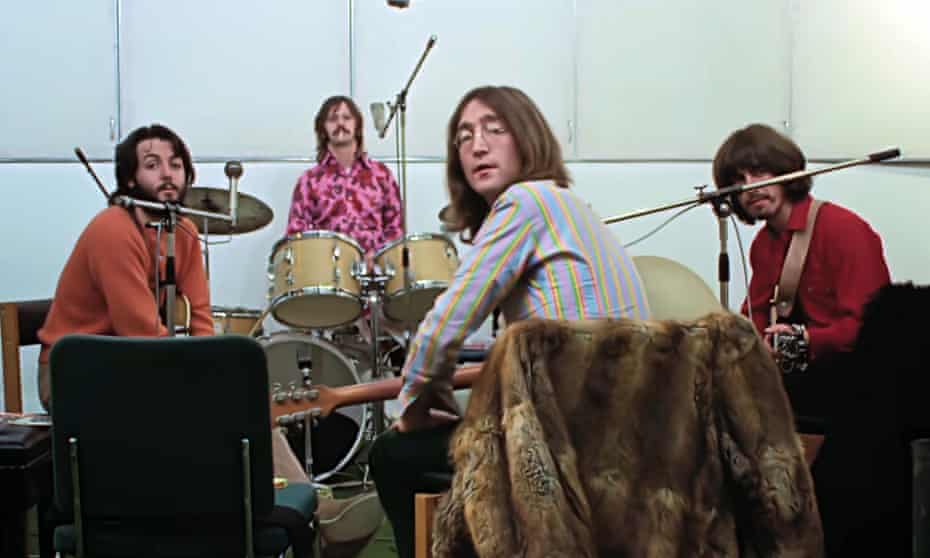
I’m a little late to the party, but I finally managed to watch The Beatles: Get Back. While it was incredibly interesting, I wonder if many casual fans were deterred by its duration. I’ll provide a little background then highlight the main takeaway points I found from this miniseries. If you have watched this, please let me know your thoughts!
Background
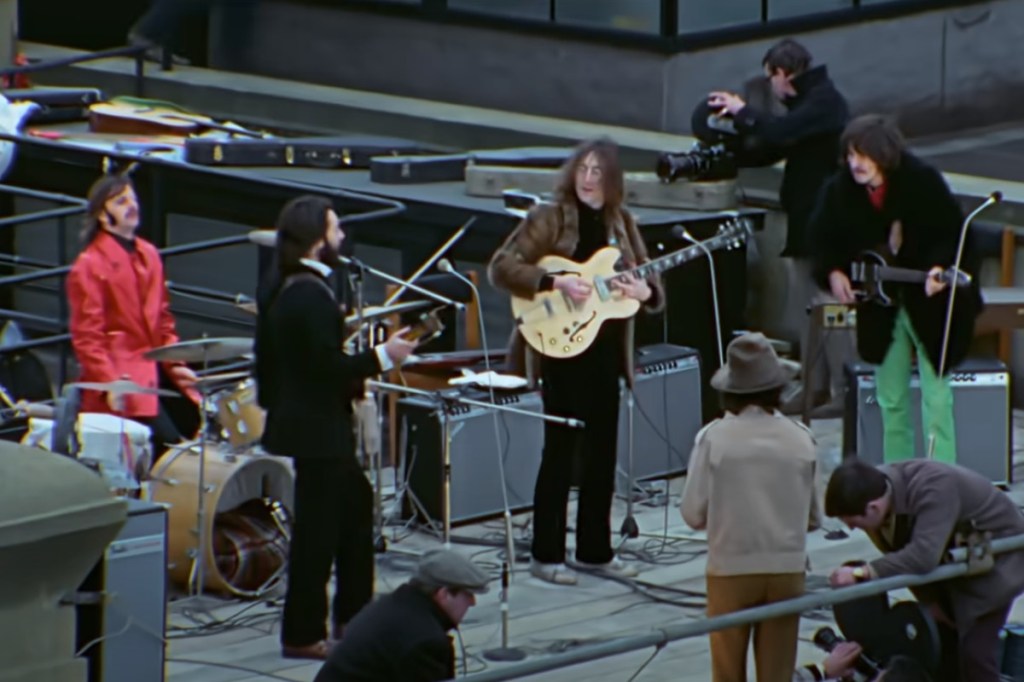
Peter Jackson’s documentary launched at the very end of November last year, in three 2+ hour installments. It covers most of January 1969, when The Beatles, assistants and tech crew assembled in a large recording sounds stage with a documentary film crew in tow. The original plan was to record an album of brand new music, written from scratch and performed live in some form. In the end, sessions were strained before the group love to the new studios in the basement of the Apple Corps (their own record label) offices on Savile Row. The project culminates in a half hour performance on the roof of this building before the police arrive to shut it down.
The music from these sessions was eventually released shortly after The Fab Four had split up. Legendary and infamous American producer Phil Spector was hired to make an album out of the material available, which had been largely worked on by regular Beatles producer George Martin and engineer Glyn Johns prior to the abandonment of the project. The resulting album (Martin later said that he produced it, and “then Spector over produced it” ), now called Let It Be, was released in 1970, seemingly against The Beatles’ wishes. Indeed, Paul McCartney eventually stripped the record of the elements Spector had added – the choir, stings, horns, etc, and re-released the record as Let It Be… Naked in 2003, hoping to finally covey the project’s original direct-to-tape aesthetic.
Parts of the film footage was released in a documentary film of the same name. But 50 years later, after hundreds of hours of footage was discovered intact, Jackson (director of the Epic Lord of the Rings film trilogy and a self proclaimed Beatles super fan) stepped in to create a new documentary which told the full story of this short period in Beatles history. It includes a vast swathe of footage never seen before, including moments when The Beatles did not realise they were being recorded (such as a microphone hidden in a canteen flower pot which picks up John Lennon and Paul McCartney frankly discussing how their own egos getting in the way of their music). Overall, it’s fascinating and many musicians I know have marvelled at being able to see how The Beatles worked out songs such as Get Back and Dig A Pony. Here’s a few other things I observed…
Paul doesn’t seem to know what he wants
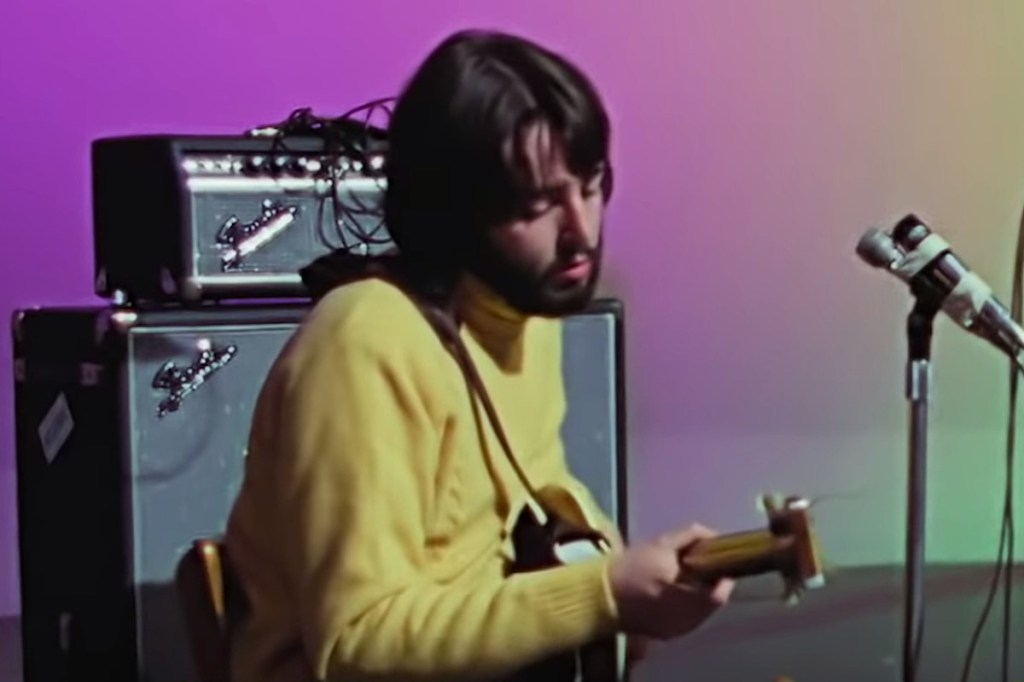
Most of the Get Back project appears to be McCartney’s idea. He is the driving force behind the ‘live’ aesthetic, either in the form of performing to a live audience or recording without overdubs. However, he also seems a little lost and unsure of what he actually wants to look like. Sometimes it seemed like he was genuinely running out of inspiration (while simultaneously writing some great songs seemingly from scratch), and on other occasions he appears to have ore of a plan than he lets on, but is hesitant to force it onto the rest of the group. Perhaps he feared a mutiny if he pressed his ideas too forcefully. This does indeed happen in Episode 1 when Harrison reaches the end of his patience for having his playing criticised by McCartney (often without him providing a clear idea of what he wants George to play). Seeing McCartney’s indecision, or fear of being too forthright with his ideas, shows us a project that is doomed from the start.
Yet McCartney is not lacking in songwriting inspiration. He brings in Let It Be and The Long And Winding Road to be rehearsed by the band, having apparently written both if these songs almost to completion at home. I was left with the feeling that these were ‘back pocket’ songs; perhaps ones McCartney had considered keeping for a future solo album? However, when it becomes clear that the group don’t have enough material, he puts them forward, and of course, they end up being among the highlights of the subsequent album.
There is small but telling detail which emerges very near the end of Episode 3, after the rooftop concert has been finished and the band are recording the final takes for the album. During a moment listening back to a recent take of The Long and Winding Road, regular producer George Martin mentions McCartney having discussed adding a sting ensemble to fill out the sound on the record. The moment goes by quickly, and McCartney is very noncommittal in his acknowledgement of this statement, but it goes very much against the straight-to-tape aesthetic pursued by none other than McCartney himself. It indicates to me that perhaps his stated intentions and private desires have not always been the same.
Two things saved the session from an even earlier end
The huge soundstage The Beatles start in gives them acoustically-related problems from the outset, and appears to prove a hindrance to their creativity. Speaking from my own experience, it is hard to really dig into new songs, or even your own playing, if you’re struggling to hear everything around you clearly. Their decision to relocate to their just-completed basement studio in the Apple Corps office gives them the opportunity to work on the songs they have started in a more familiar and better sounding environment. You can see in Episode two how much more quickly things come together for the group after the move. But there is anoter factor which helped things along considerably, and arguably saved the project altogether…
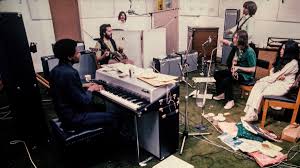
The arrival of Billy Preston to the sessions is the real turning point in the Get Back sessions. The Beatles had first met Preston in their early days of performing in Hamburg. Preston was part of Little Richard’s band and was in London performing with Ray Charles when he ran into George Harrison and popped into the sessions to say hello. Once invited to sit in on electric piano and organ, something clearly changes for the better in the atmosphere of the sessions. This happened once before during the recording of their previous album, 1968’s The Beatles (also known as ‘The White Album’ due to it’s blank cover). Harrison has spoken about having fond memories recording While My Guitar Gently Weeps with Eric Clapton providing an (at the time anonymous) guest solo, because the band were all on best behaviour in the presence of a guest and friend. In a similar way, things seems much less acrimonious or stressful once Preston starts adding to the Get Back sessions. It is clear that the group enjoy his contributions. Lennon even suggests recruiting him officially, to which McCartney counters that it is hard enough reaching agreements between the four of them already! The value which TheBeatles themselves placed on Preston’s presence is evidenced in the initial release of the song Get Back as a single – it is credited to “The Beatles with Billy Preston”. High praise indeed.
Ringo seems to play no part in the decision making process
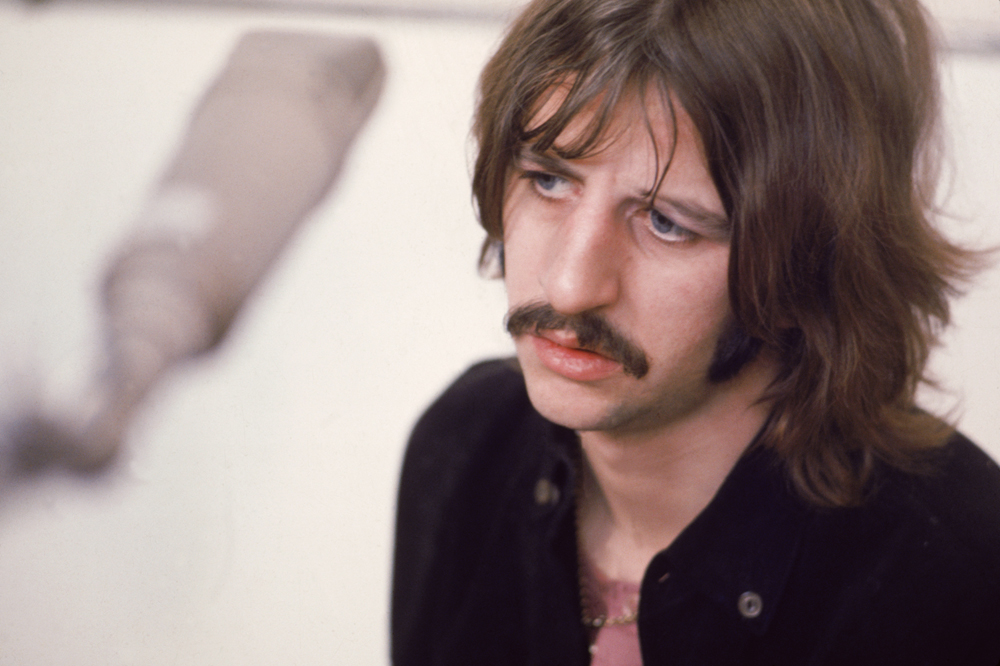
The Get Back sessions are full of decisions, indecisions, wrong decisions and changed decisions. Arguments, conflicts, reflections on their egos and statements of intent. But none of them come from drummer Ringo Starr. Although jokey and stylish as ever, once he sits behind the drum kit, Starr quietly listens as the three remaining members pf the band discuss arrangements or argue. Sometimes suggestions or directions are given to him on how he should play. Interestingly, he is more often than not left to create his parts based on what he hears, showing a high level of trust his band mates place in his abilities.
Yet I still found it striking how – in these sessions at least – it is Starr who is the real ‘quiet one’ of The Beatles.
Several elements precipitated the breakup of The Beatles, but Yoko Ono probably wasn’t one of them
Yoko Ono is a presence throughout this documentary series. But it doesn’t appear disruptive. Sure, during some of the downtime moments, she joins in the free-spirited jams by wailing down a microphone, but most of the time she sits by Lennon, supporting him silently in a way I think he obviously needed at the time. She is seen chatting amiably with the wives and girlfriends of the other members of the band, but nothing we see of her in this series, either voiced aloud or whispered into Lennon’s ear, gives any indication that she was responsible for the tensions the band faced, or their eventual breakup later in the same year.
Those tensions, and those decisions, came from the same place they had since the passing of the band’s manager Brian Epstein a few years before – they came from the four members of The Beatles themselves.
Final thoughts
It was fascinating to see how big the team around The Beatles had become by this point in the life of the band. From the arguments and arrangements to the songwriting and even the business side of The Beatles rearing its head again and again, we are given a clear picture of a small group of people hemmed in by their own success and unsure the best way to continue. Although their main team is comprised of trusted individuals, long term partners and even old friends from their days in Liverpool, the heart of this miniseries is the four members of The Beatles themselves. Many were close – very close. But the only four who really knew what it meant to be a Beatle were John, Paul, George and Ringo. Somehow, it seemed to keep the together, against everything and everyone else. At least, that is, for a time.
Overall, this is a truly fascinating insight into the end of one of the most influential, if not the most influential, musical groups in popular music history. The famous rooftop concert might be one of the less interesting things in this entire series, though this might be because many of us have seen or heard this before (indeed, a few of the live tracks from this concert were used in the final album). It was so much ore enlightening to see the group at work, crafting and recording songs, just like musicians across the world still do today. It is worth watching, but be warned, it’s a long, deep dive…
Well, we finally got there. After delays and set backs, date changes and continued COVID cases making life difficult for all of us, The Nick Gladdish Band finally reached the day of their album launch gig.
The launch gig, on the 12th of September 2021, brought a year’s worth of writing, recording, mixing, printing and promotion to a close – at least, until I get to work finalising our next short tour, scheduled for Spring 2022.
Also playing were local singer songwriter Jenny Lascelles, performing a beautiful solo set from the piano, and The Baltics, a new indie group on the Newcastle local live music scene. Both acts were well received and it was great to be at a live show again. Our only other performance since the start of the pandemic was a warm up show in Stockton in August, in support of another talented young band, Gone Tomorrow. Safe to say the next generation of bands looks full of promise…
As for our set, we had a blast! We’d spent the best part of a year waiting to play the new songs live and our hour onstage seemed to fly by in a blur of smiles and camaraderie. Personally, I thought the guys in the band played a blinder. If there were any wrong notes played that night I certainly didn’t hear them.
Nick Gladdish onstage (credit: John Timney).
The album is available in full on Band camp here. We’d love your support!
We’re having something of a break for the rest of the year. Everyone in this band has other projects to focus on, and it gives Nick time to write the songs for the next album (he could release a new album each year if he wanted to – I don’t know how he does it!). In the meantime, stay tuned for news of other fun things happening soon.
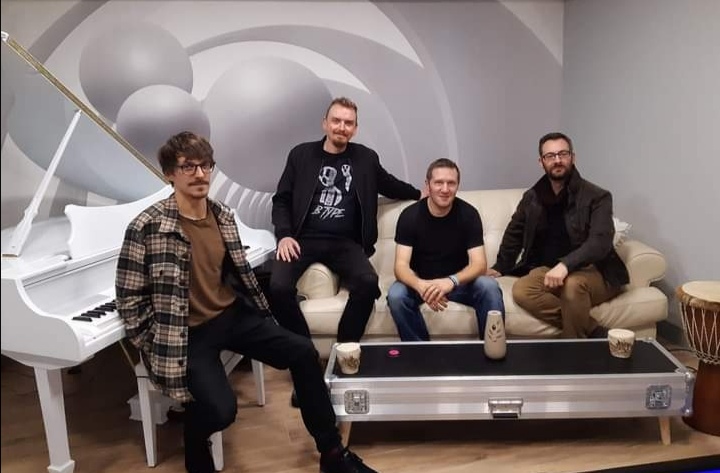
The Nick Gladdish Band (L-R): John Timney, Nick Gladdish, Adam Cornell, Tim Higgins & Shannon Powell, after the album launch.
The final piece of the album is now in place. Backing vocalist Shannon Powell has added her amazing talents to the new Nick Gladdish Band album.
Those of you who are unfamiliar with Shannon’s vocal prowess would do well to check out her project YUMA (a collaboration with NG Band drummer & producer John Timney)
Shannon Powell (of YUMA) recording harmony vocals for the new Nick Gladdish record
Cover art
Nick also revealed the main painting being used for the album cover, created by Kristin Designs…
Album cover artfor ‘Last One Get The Lights’
Next steps
We’ve already reviewed the ‘first pass’ of the mixed tracks, and discussed changes. The second attempt is currently ongoing, now with Shannon’s vocals added, which gives us the full picture. To my ears, these tracks need very little fixing now. Most of the big tweaks & redos have already been taken care of.
Once the mixing is finalised, the next step is mastering the overall album. After this, the first single can be released. Details to follow soon…
At the same time, the cover art and lyric booklet are being designed and formatted. However, this is a slightly less pressing issue because the album won’t be released until the start of 2021.
Last night, we got the final session of tracking done (on a new album for The Nick Gladdish Band), with a day left until lockdown #2 comes into effect across the UK.
Nick met drummer & producer John Timney at TRAXX Studios in North Tyneside for five hour. They didn’t just tracked all the vocal parts to the band songs. They also recorded the two solo songs which will ‘bookend’ the album.
Nick working hard in the studio (picture courtesy of John Timney)
Now comes the mixing…
I’ve already heard a few early mixes on a couple of the songs. Even in their rough, unmastered state, they sound rather promising. As always, I’ll keep you updated as the record progresses…
With a second full national lockdown upon us in a few day’s time, we had a very small window to finish the bulk of the tracking for Last One Get The Lights, the in-progress LP from the Nick Gladdish Band. John Timney (drums, engineering and production on this record) and I met at The Space rehearsal studios in Carlisle with some guitars, a laptop, and a sense of urgency which wasn’t entirely helpful…
Recording lapsteel and 12-string acoustic at The Space, Carlisle (credit: John Timney)
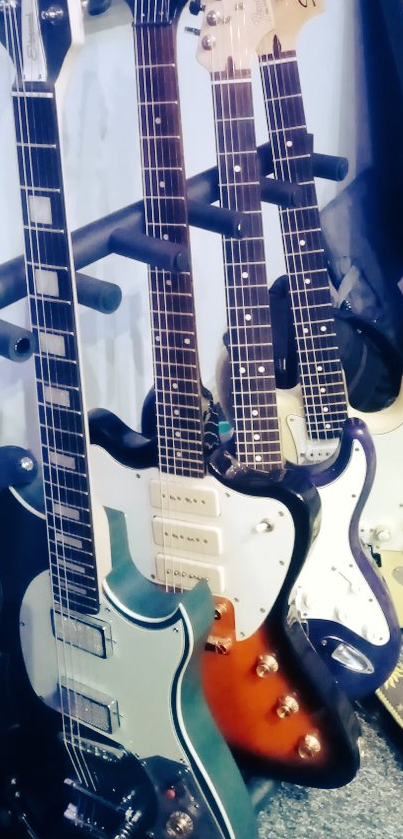
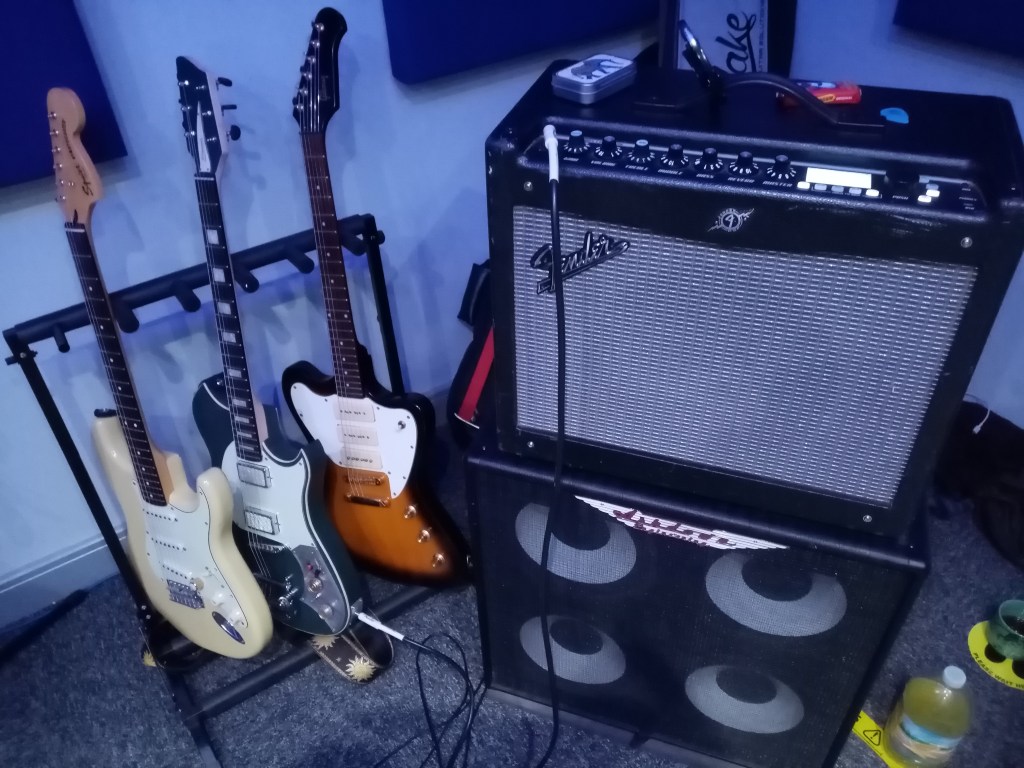
We managed to get several small bits done in just two hours. These included the few remaining rhythm/textural guitar parts, lead parts and full-on guitar solos over five different tracks. As well as borrowing John’s beautiful 12-string acoustic for a small part in one of the songs, I also used my Artisan lapsteel, Squier Strat and the new custom made Elderwood semi-hollow (read about that one here), all going through my Fender Mustang III amplifier. We might find there’s a few bits which need fixing, but if there is, we’ll have to wait until after lockdown!
Tomorrow, John will record the vocals (and a few other bits) with Nick back at Traxx Studios in North Tyneside (where the main chunk of the LP has been recorded, as documented in part one). Nick has lived with these songs for a most of this year, and in some cases even longer, so should be able to get the vast majority of them down tomorrow.
After that, it’s a case of adding Shannon’s backing vocals remotely, then mixing…
Still, at least we have all of lockdown to do that part!
More updates to follow, as and when they occur. Until then,take care of yourselves out there…
Last Thursday & Friday, I was back in the studio with the Nick Gladdish Band, as we finally started work on his new album Last One Get The Lights.
In normal times, this would have taken place in April, and by now, we’d be on another tour supporting the finished product. In fact, we already released the lead single Blurry Lines last last year (listen to it here). However, the pandemic and subsequent lockdowns have held everything up. More recently, we’ve been able to get back on track.
The process
To start with, Nick shared demos of the songs, and we started listening and thinking of suitable parts. A few weeks ago, we held two days of rehearsals where we tried out different things to see what worked. These were recorded as draft ‘rough cuts’ and the best arrangement shared amongst ourselves, so we could refine our parts further. It also gave me time to consider the best way to record the guitars, and which instruments to use.
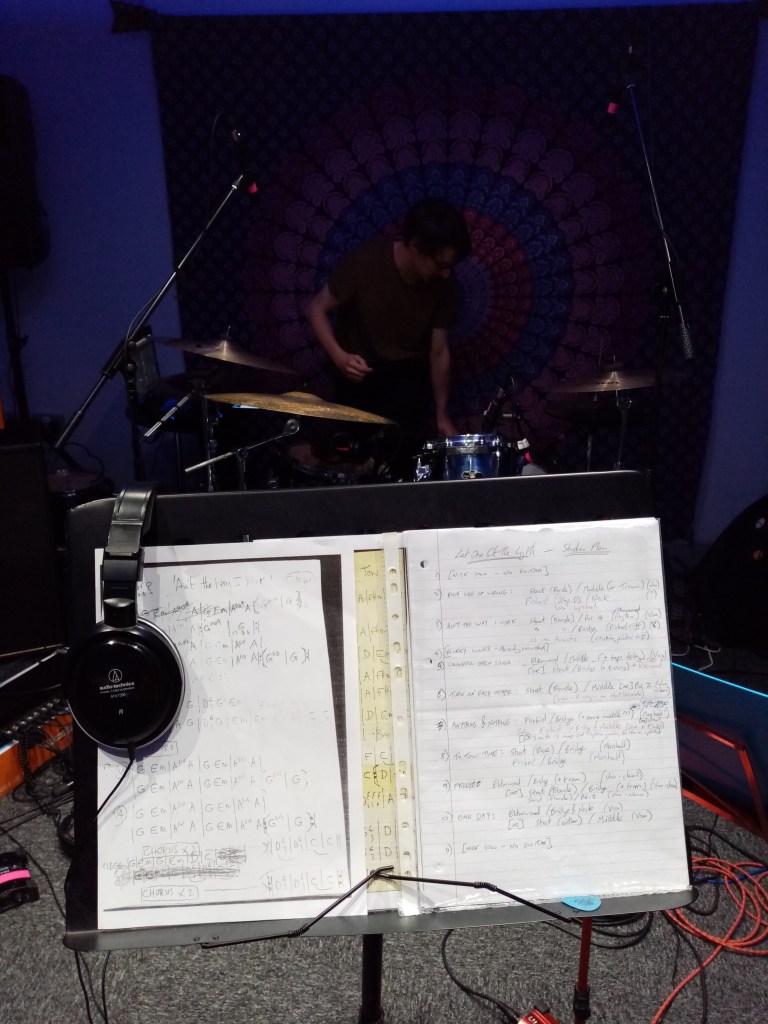
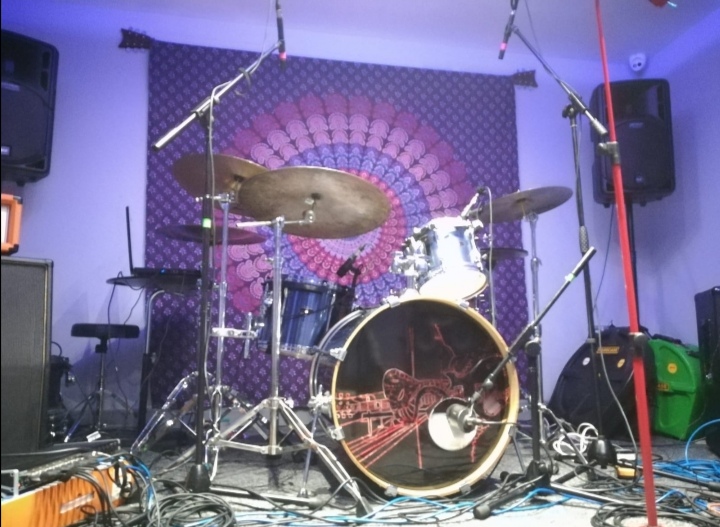
Here’s a few pictures from the two eight-hour days at Traxx Studios in North Tyneside. We spent these days recording the main backing tracks of drums, bass, most rhythm guitars, keys and guide vocals. The credits belong to everyone in the band (I’m not sure exactly who took which picture in some cases):
The whole recording process came together really quickly. In two days, we manged to get all the backing for the eight ‘full band’ tracks down, as well as additional rhythm guitar parts. Having rehearsed and arranged this set of songs in a live room setting, the guitar parts were quite simple to arrange and organise for tracking.
What happens next?
The initial plan was for John (Timney, drummer and engineer for this LP) to crew te rough mixes from what we had before we started on overdubs. However, the government’s announcement at the weekend, telling us we’ll be back in lockdown from Thursday, prompted a change of tack.
Instead, I will be going back into the studio with John to lay down all the guitar overdubs and solos tonight.
Tomorrow, Nick will record all of his vocals and a few additional piano & acoustic guitar parts. Shannon Powell, our backing singer at the live shows, will add her final parts remotely in the next week or so. That way, John has the whole period of lockdown to mix and master the record, and we can have the entire album finished in time for release at the start of 2021.
The Nick Gladdish Band. L-R: John Timney (drums, production), Adam Cornell (bass), Nick Gladdish (lead vocals, keyboards, acoustic guitar) and myself (guitars, lapsteel).
I’ll post some more pictures from tonight’s session, as well as further updates, in due course. Until next time…
As well as using Twitter to announce new projects, or update people on ongoing ones, I sometimes reminisce about ones from years ago, such as this one…
For some reason, I kept thinking of this, and on top of everything else I have planned (post-COVID), I’d quite like to explore what a power trio can do in terms of extended instrumentals (which aren’t based largely around improvisation); something more progressive in nature…
Having played in a rock trio format before, it can be a new challenge to fill the space adequately without the music sounding thin. Conversely, one has to avoid the temptation to stick to the more blues based method of sharing riffs, in union (or octaves) with the bass player.
Bear in mind that I currently have…
3 music therapy jobs
A solo classical(ish) EP to finish
Another Nick Gladdish Band album to finish & tour to plan
My next band project (world/blues/Latin) to start rehearsing
A music therapy case study series to complete by the autumn
A small portfolio of compositions to develop
…and we’re still in a time of lockdown here in the UK, with no concrete sign of progress regarding indoor gigs (although the news today implies that this might change very soon).
Still, if you want something doing, ask a busy person, right?













 Tim Higgins, Guitarist
You must be logged in to post a comment.