
Top session bassist Herbie Flowers sadly passed away on the 5th of September, aged 86.
Although most people may not have heard of the British session musician, Flowers was well known within the music industry, having been performing and recording since the 1960s. After starting out playing tuba and double bass in the RAF in the 1950s, Flowers moved into session work and soon the bass guitar became his main instrument. Among his earliest recorded work was the band Blue Mink, who had hits with ‘Melting Pot’ and ‘Good Morning Freedom’.
Flowers soon began playing sessions for artists in the late sixties, working regularly for famous producers such as Mickie Most (The Animals, Herman’s Hermits, Donovan, Lulu, and many more), Tony Visconti (T. Rex, David Bowie, The Moody Blues, and countless others), and Shel Talmy (The Kinks, The Who, among others). His playing credits are almost too long to list. In fact, it’s estimated he’d played on at least 500 hit recordings by the end of the 1970s!
Here’s a few of the more well-known highlights…
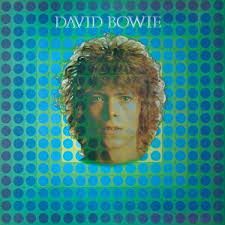




Flowers played bass on Bowie’s eponymous second album, including his first hit, ‘Space Oddity’. He then returned to the studio with Bowie to record his Diamond Dogs album.
When working on Lou Reed’s Transformer album, Flowers created his most recognisable bassline, used on the song ‘Walk On The Wild Side’. This bassline is actually two basses a double bass with a fretless Fender Jazz playing the higher part. As well as creating a unique sound that’s harder to achieve when playing both lines on one guitar, it also allowed Flowers to collect additional royalties for playing additional instruments on the song!
In 1971, Flowers co-wrote the novelty song Grandad, sung by actor Clive Dunn. The song reached the number one spot on the UK charts the same year, where it stayed for three weeks.
Flowers played bass on Jeff Wayne’s famous masterpiece, his musical and spoken-word adaptation of War of the Worlds. He then toured with Wayne when he took his famous concept album on the road decades later.
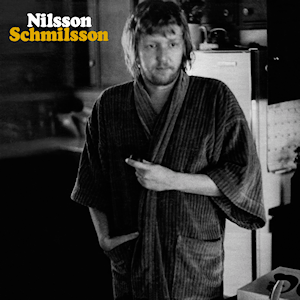
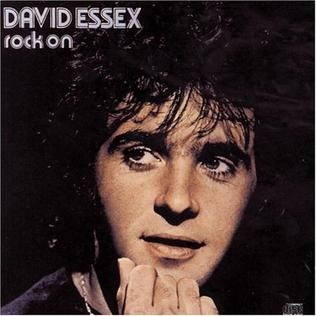
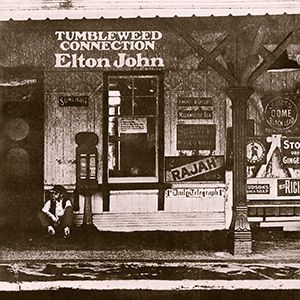
Flowers also appeared on recordings for Elton John, David Essex, Olivia Newton John, Bryan Ferry, AL Kooper, Harry Nilsson, Cat Stevens as well as on solo albums by three of the Beatles; Paul McCartney, George Harrison and Ringo Starr.
His work on a crossover record Changes by Australian classical guitarist John Williams (which included Williams’ arrangement of ‘Good Morning Freedom’) created a connection which came to fruition in 1978, when Flowers and Williams teamed up with other session musicians to form the famous instrumental group Sky. This supergroup of sorts (although only Williams was recognisable to most of the general music-buying public) released several albums over five years and toured regularly, bringing their fusion of classical, jazz and pop music to a wide audience.

What can we learn from Herbie Flowers?
Unlike other famous session men, such as ‘The Wrecking Crew’ in the USA’s pop music scene, Flowers seems to have developed a good reputation as a reliable performer, making him the first-call for several producers and composers. Why was this?
Put simply, he was not only a good musician, but a reliable one. Studios are expensive places to waste time, so having a roster of musicians who can not only play to a high standard, but also turn up on time is essential to producers, arrangers, musical directors and band leaders. Musical skill and a good ear allow the best session players to grasp a new song quickly and do their best to make it sound as good as possible, but the real professionals are he ones who treat it like the job that it is.
Nowadays, studios and recordings work a little differently. The ones that do make use of session musicians on a regular basis are far more rare, and getting a gig in such a place can feel almost impossible. It’s worth remembering that this side if the industry is – and to an extent, always has been – something of a closed shop. However, opportunities still exist in live performance, which in my experience have led to recording opportunities that I would otherwise not been offered. To give yourself the best chance of being considered for such roles, ask yourself:
Do I have a reputation for turning up on time, setting up quickly, and having working equipment?
Am I recognised as a competent musician (not the flashiest) who can cope with most styles?
Am I considered easy to get along with?
Divas don’t get invited back to future sessions. Nor do musicians who show up with faulty gear. I’ve also known artists to get frustrated with the brilliant ‘hot new thing’, fresh from music school with a head full of jazz theory and the chops to back it up, citing their input as overplaying or lacking in any real soul. Be like Herbie Flowers and that select group of ‘top’ session players: turn up, don’t make trouble, and serve the song. It worked for him. It will work for you.
In both cases, a little hard work and luck is involved, but t’was ever thus. And Herbie Flowers seems to have made the best of the cards he was dealt.
RIP, Herbie (1938-2024).

 Tim Higgins, Guitarist
You must be logged in to post a comment.