
Auditioning. In this line of work, almost everybody has to go through it at some point. I don’t know many people who enjoy the process – and by that I mean the groups holding the auditions as well.
I’ve held a few auditions in the last few years while recruiting for a few different projects. I was invited to join another group via audition fairly recently, which increased my own experience of being the auditionee for the first time in several years.
Having experienced it from both sides, here are some simple tips which will (hopefully) help make the whole thing go that little bit more smoothly.
1) Be clear about what you are looking for from the outset
Obvious but true. Many bands, in an attempt to appear open (and more likely to attract as many interested candidates as possible), will be vague about who/what they are and what they are looking for. Others may outright lie.
If you’re an act that is getting regular paid work and need a competent player, with their own means of transport, and who can read music – say so. If you don’t have any gigs at present, but are looking to get into paid work once you have a full lineup – say so. If you are mainly performing original material and the money from gigs won’t be that good – say so. If you’re all amateurs and would prefer someone of a similar playing ability to yourselves – guess what: say so!
Being upfront about who you are and what your expectations are actually saves you a whole lot of time, not least from having to filter through adverts responses from people who are simply unsuitable for your act. Likewise, auditionees looking for gigs – if you can’t sight read, don’t say you can and hope to busk it. Be clear on the styles you have knowledge of. You WILL get found out and not get the job. Worse than that, word will get around that you’re a bullshitter too.
2) Agree on pieces to go through before the audition / Plan a structured audition
You’re not doing any favours by inviting a potential band members down to your rehearsal space, shouting out the name of a tune and charging into it to see how well they cope. Even seasoned pros like to prepare first – that’s what makes them seasoned pros.
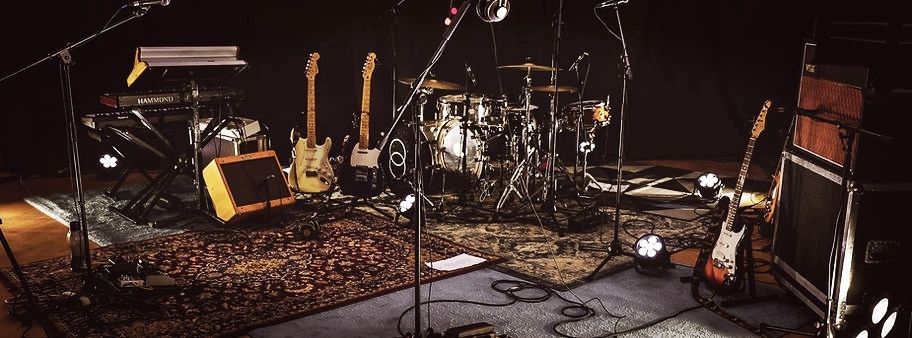
Have your space ready to go, with everyone in the band already there and set up, before the first candidate arrives. If going TO an audition, make sure all of your gear is in good working order, arrive on time and set up quickly.
Choose songs from your set, and perhaps some tunes both parties are reasonably familiar with, to work through. At a maximum, I’d suggest four or five. Make sure you also have plenty of time to chat and reaffirm exactly what it is both sides want out of working together. For a first meeting, I’d suggest an hour to an hour and a half. That should be more than enough time to find out how you gel musically, and crucially if you get along as people!
3) Relax – remember everybody is human
As I said at the top of this blog, no one I know enjoys the audition process. Try to make it as welcoming and relaxing as possible. Keep the pieces to learn down to a small number and make no attempt whatsoever to ‘catch someone out’ musically. Smiling always helps too! Even experienced players can be nervous entering a room of musicians known to each other, but not to them, and there solely to watch/listen to and assess the quality of their playing in the space of an hour or two. Keeping things short and friendly are the key elements here.
4) Follow up!
One of my biggest pet hates is when I put in time and energy into preparing for an audition or job interview, going through the whole nervous procedure, and then never hearing back. It takes minutes to drop someone a quick line to follow up, whether that is to arrange a second audition, offer them the gig or to let them know you’ve decided to go with someone else. It’s highly unlikely a rejection will cause an argument down the phone so be a grown up and get on with it!
Also, as a quick side note, have you ever found the ideal candidate through an audition, while still having other people left to see? If so, are these other candidates due the same day or in the next few days? If so, my advice would be to see them anyway – they will have put in time and effort preparing and it’s always best to have a wider network of musicians (in case you ever need a dep, etc, etc). If the next audition is not until the following week then by all means call them and politely cancel – but be nice doing it!

As a final thought, it’s worth bearing in mind one final (if somewhat obvious) piece of advice: listen. Listen to your prospective new members / band; listen to the music and how well you all play together; and finally, listen to your gut. Sometimes you can tell who the right fit it is without being too academic about the whole process.
Good luck! I’d love to hear what your best and worst audition experiences are. Drop me a message or comment below, and we can compare notes. Until next time…









 Tim Higgins, Guitarist
You must be logged in to post a comment.