Iconic Northumberland landmark, The Sycamore Gap, has been destroyed. Vandalism believed to be the cause.

Poetry & Writing

The residents of Northumberland, and fans of the county’s stunning scenery around Hadrian’s Wall, woke up to devastating news this morning, as they discovered that the Sycamore Tree nestled in a dip along the wall near Twicebrewed has been felled.

The tree, which led to the spot it stood in becoming known as The Sycamore Gap, was discovered on it’s side, lying across the ancient ruins of the Roman Wall, by Amanda Marks, an author who happened to be staying nearby. Her Facebook post (below) soon went viral among local interest groups focused on the Wall and local towns of Hexham and Haltwhistle.

Pictures courtesy of Amanda Marks, Author (via Facebook.com).

Believed to have been 300 years old, the Sycamore tree (Acer pseudoplatanus) is the surviving member of what was once a small cluster of trees in that spot along the Wall, the ancient border between Roman Britain and Scotland. It was named ‘Britain’s Favourite Tree’ in 2016 and was the subject of countless photographs, both amateur and professional. You can read more about history of the tree here.

The tree became a much more famous landmark following this scene in the 1991 blockbuster Robin Hood: Prince of Thieves, a Hollywood retelling of the Robin Hood legends starring Kevin Costner, Morgan Freeman, Mary Elizabeth Mastrantonio and Alan Rickman.

The film brought even more tourism to an already popular spot for walkers and fans of Romano-British history.

Copyright Warner Brothers.

At present, it is claimed hat the tree was damaged by the winds from Storm Agnes, which blew through the region on Wednesday night and into the early hours of Thursday morning. As a result, the tree may have had to be cut down for safety purposes. Yet looking at the pictures of the felled tree above, many argue that the truck is not showing any signs of storm damage. In fact, the only damage that CAN be determined is the very clean chainsaw cut running through the centre of the trunk.

Furthermore, several local residents are questioning why the tree has been left lying on top of the Wall itself? Historic England, who manage and maintain the sections of Hadrian’s Wall which remain, have long asked walkers and visitors to refrain from walking on to of the wall itself, to prevent further wear and damage to the monument, and the route has more than one sign reminding people of this fact.

Consequently, many believe that the tree has bee cut don in a mindless act of vandalism. As soon as more information becomes available, I will update this post.

Update (5th of October 2023): It has been confirmed that this incident was a deliberate act if vandalism. Local police arrested a 16 year old boy and a man in his sixties in the days following the felling. Both were released, without any charges being pressed at this point, and their investigation continues.

Whatever the reason, it’s a truly sad day for Northumberland. Already, the loss of this iconic tree has provoked sadness and rage amongst those who live close to it, and those who have walked past it on their route along the Wall. Hopefully we will find out exactly why this tree was felled, and if it was a mindless act of vandalism, then suitable measures are taken.

Trees were an important part of Celtic culture (indeed, the alphabet system used trees to differentiate and help organise their letters). In cultures all over the world, trees play an important part, from the Trees if Life & Knowledge in the Garden of Eden to the World Tree in Norse mythology. I believe trees have continued to play an important part in our psyche, hence the huge outpouring of grief in the local area and around the United Kingdom, and even among fans of Hadrian’s Wall around the world.

What happens to the felled tree now, and what might replace it at the Gap itself, remain to be decided. Memories can be shared at a special room set up at The Sill, a local visitor centre very close to the site of Sycamore Gap. More information can be found here.

Picture credit: Simon Bradfield.

Haiku for a Spring Evening

Poetry & Writing

Sunset behind me.

Golden sunlight lightly shines

On green northern fields

Inspired by my drive home along the Military Road, which runs alongside (and sometimes on top of) the route of Hardrian’s Wall in Northumberland. The remains of this wall, once the boundary between Roman-occupied Southern half of Britannia and the untamed Northern half (mostly made up of modern-day Scotland), provides an additional element to an already dramatic landscape.

This evening, as I drove eastward at sunset, I noticed the beautifully strange golden glow alighting on the grazing land on both sides of the road (and the ruins of the ancient wall). Beautiful, strange, but rare. About as rare as my Haiku efforts, at least…

Image copyright David Head (from the Visit Northumberland Facebook page)

Haiku for the New Year (2022)

Poetry & Writing

Here’s two haiku to start the year off. The first distills my hope that I’ll get out more and meet my friends more often this coming year. But of course, it all depends on this ongoing pandemic:

Twenty Twenty-two

Might I see more friends this year?

Coming months will tell

And one on the unseasonably warm weather we had on New Year’s Day here in Northumberland:

No wind, mild and bright

Warmest New Year on record

It didn’t last long

Wherever you are, make the best you can of 2022 and go easy on yourself. It’s been hard at times, we all know, but there is light at the end of the tunnel. Just take care of yourself in the mean time.

Until we meet again…

Haiku for the Summer Solstace

Poetry & Writing

We hoped for sunshine

But rain soaked Welsh Poppies brought

Sun-yellow petals

You don’t always get the weather you want, especially in the UK.

Yet the gorgeous buttercup yellow of a flower, thought of by many as a weed, certainly adds brightness on a day with less sunshine than we might have hoped for. But then, a weed is simply a plant you don’t want, which means the definition certainly doesn’t apply in our garden.

Ironically, or perhaps fittingly, I’ve spent most of today – the longest day in the northern hemisphere – at work. I therefore didn’t get to enjoy my garden at all today.

Still, there is always tomorrow…

Haiku for a green summer

Poetry & Writing

Cow Parsley grown tall

Scent of roadside wild garlic

Drowned Spring yields lush greens

…at least, this has certainly been the case here in Northumberland. Here, an incredibly wet April and May have finally given way to a gloriously hot and sunny June.

Both the cultivated and wild plant life have all responded well. I have even heard one keen gardener tell me that his Himalayan Blue Poppy has flowered for the first time in thirty years! Clearly this is the combination of months of rain to sunshine it requires!

What are your garden stories? Leave a comment or drop me a message. Until next time…

Italy in small details (2)

Poetry & Writing

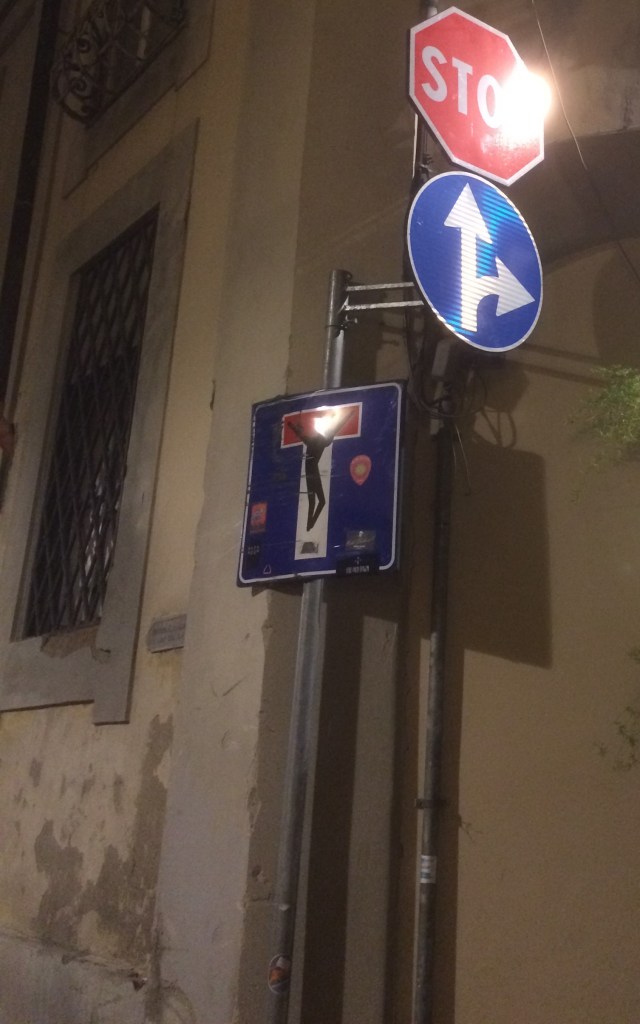
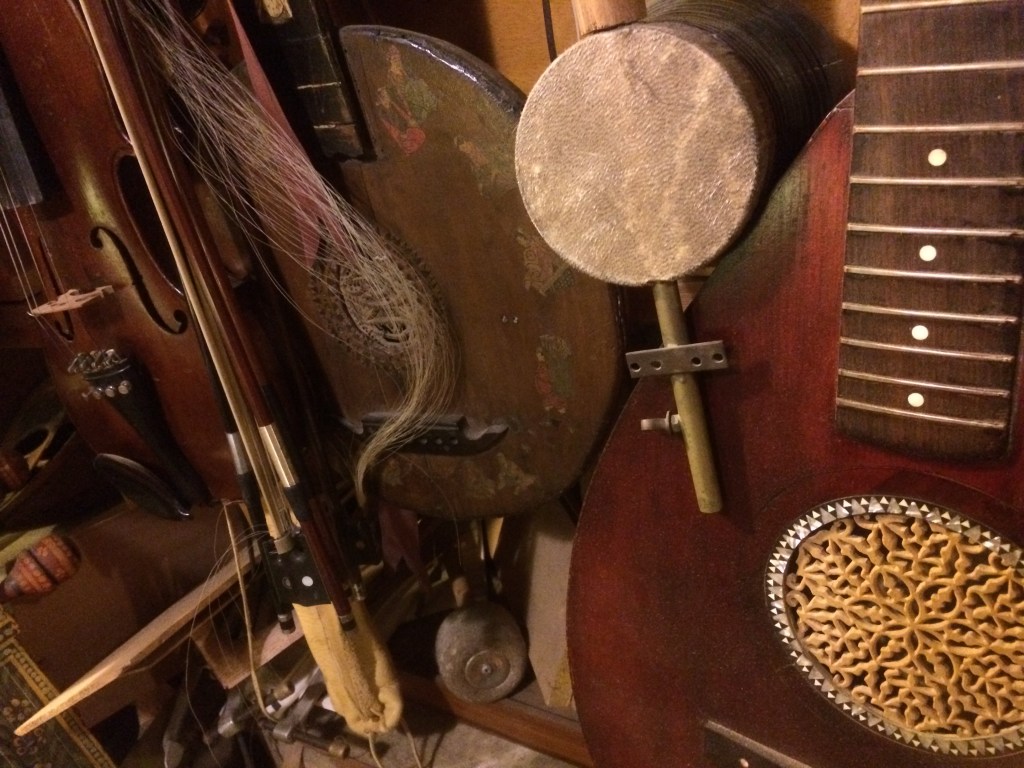
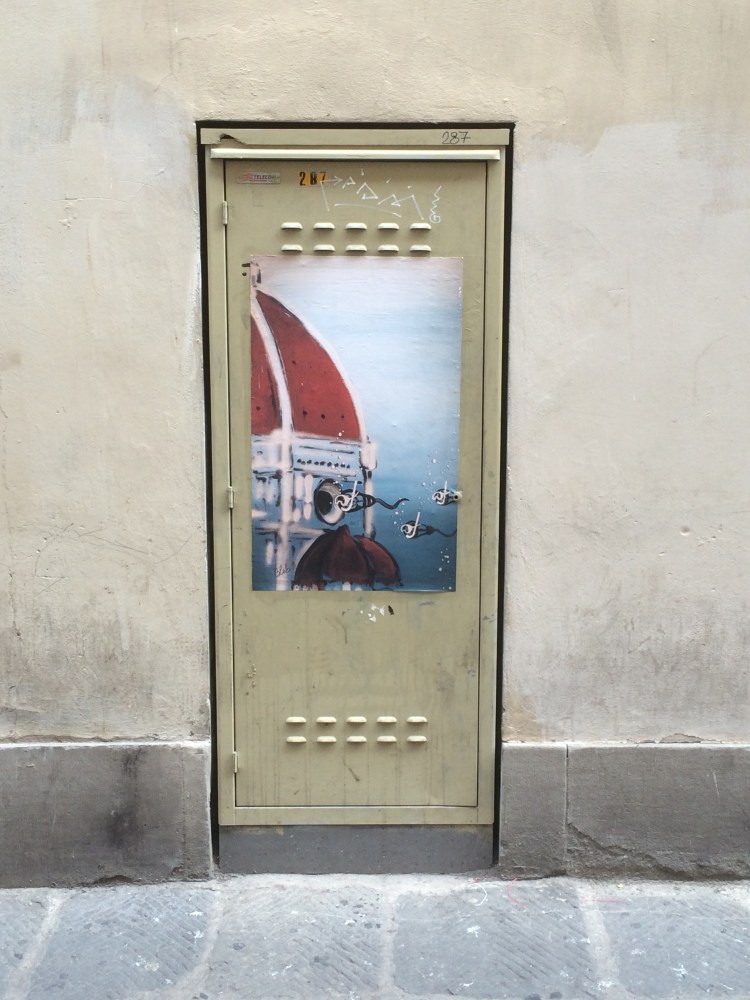
Here in the UK, 2021, we still can’t travel anywhere, so here are a few more images of Italy, focusing on the small details. These images were taken in Lucca, Florence and Rome around summer/autumn, 2016. Enjoy…

I have a few more sets of photographs from other cities around the world, which may find their way into a new post in the future. In the meantime, I’d love for you to share your travel stories with me. Get in touch…

Italy – in small details (1)

Poetry & Writing

These photographs were taken in September 2016, around the cities of Rome, Florence and Lucca. I guess since we aren’t currently allowed to travel anywhere, I thought it might be nice to reminisce about happier times…

One of the pictures below (top left) shows some small detail on a statue in Florence. Tortoises are a common motif of artwork commissioned by the Medici family, but you don’t notice them until you spot four or five in a single morning!

There’s something about the small, sometimes missed, details – in backstreets, doorways, or looking down on you from the corners old old buildings – that I find intriguing. Individually, they are a curiosity. Collectively, they form interesting insights into the cities they have inhabited for years – or in some cases, centuries.

So be sure to keep your eye out for the small details, next time you find yourself somewhere new!