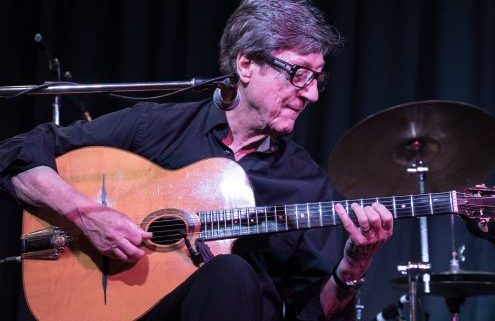
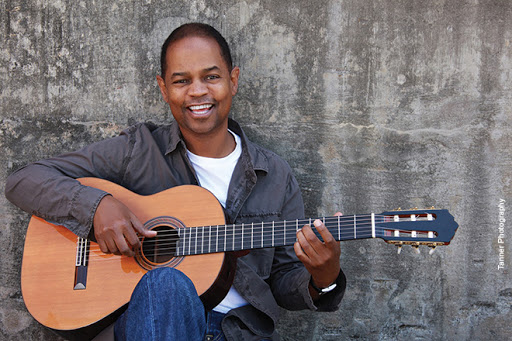
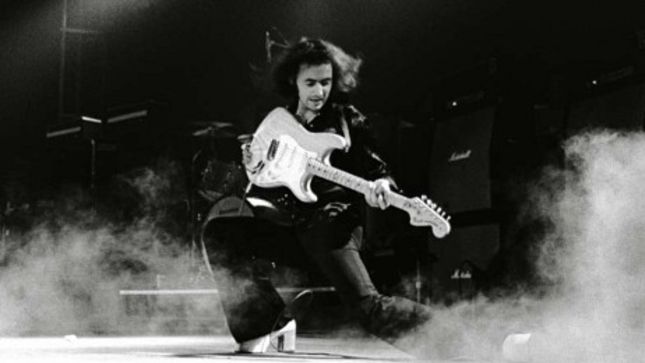
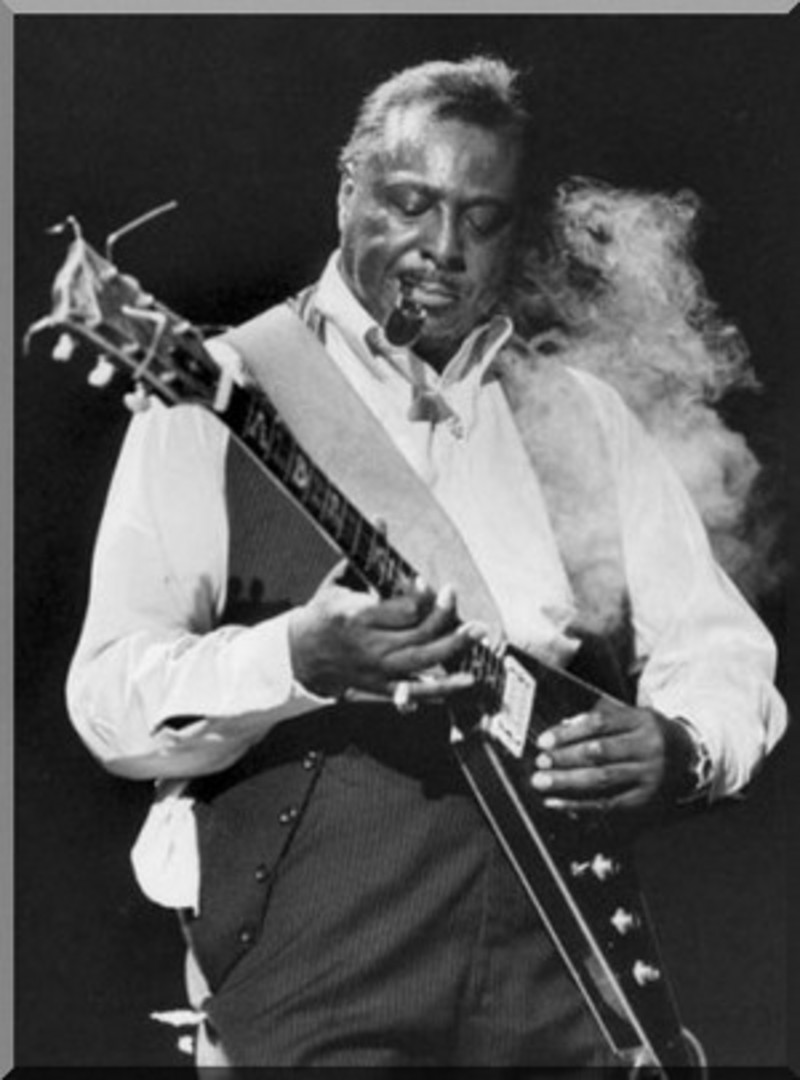
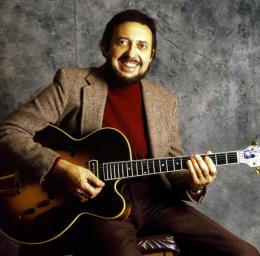
Ten guitarists who influenced my playing, in pictures

Music

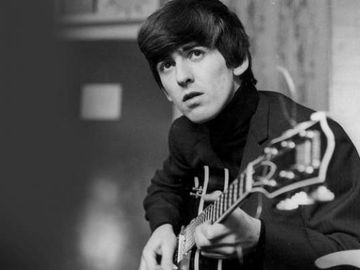
This is one of those exercises / challenges which circulates around Facebook from time to time (much like the one which inspired a previous post about ten albums which inspired me). This one asked guitarists to post photographs of ten guitar players who had been the greatest influence on their own playing.

I find these thought exercises difficult – challenging is the perfect word! I feel like I could post forty pictures and still have missed out a key influence on my playing, yet here we are, in no particular order…

What do these players have in common? Some are strikingly different. The key characteristics I gravitate towards in other musicians are…

  • Tasteful or melodic solos
  • Blending of musical genres
  • Dazzling showmanship / inspirational technique

…and all of the guitarists pictured above have one or more of these traits.

As always, these are just my opinions. I may well delve into my influences in more specific areas in a future article. But what are your biggest guitar influences? Get in touch or leave a comment to let me know!

A year of books (July – September)

Books

It’s hard to believe that we’re in the final three months of the year. What a year it’s been! I’m sure no one could have reliably predicted the majority of changes which most of us have had to undergo, hopefully on a temporary basis, because of this pandemic. I hoped that it might offer more time to get through my oft-mentioned (and ever increasing) ‘to read’ pile. However, if 2020 has taught us anything, it’s that life doesn’t always go the way you expect it to.

Still, there has been some reading since the last installment (which you can read about here), and here is a brief review of it…

The Italians by John Hooper (2015, Penguin)

An affectionate and sometimes amusing look at the characteristics common to Italians, and why that might be the case. Hooper also reiterates that Italy is a relatively new country (as a unified whole), and spends almost as much time highlighting what separates Italians from different regions; north and south; Romans and Sicilians; mountain dwellers and those who reside by the country’s ample coastline, and so on. Hooper regularly interjects anecdotes from his extensive time living and working in Italy as a journalist. These passages give the book a greater cohesion, in that the presumed reader (and Englishman) sees the situations unfold through the eyes of the author, and with similar inherent sensibilities. However, Hooper restrains himself from writing this as a straightforward memoir, which I expect that has increased it’s potential readership.

I read this book during lockdown in England. Of course, Italy had imposed one of the most stringent lockdowns of any country in the world, and the Italians have seemingly been obedient and compliant. This seemed to go against one of the common reoccurring themes in Hooper’s observations; that Italians will regularly bend the rules to suit their needs or preferences. The reports I was hearing on the news in 2020 didn’t sit with this assessment, until I considered another of the books themes – the emphasis and commitment Italians place on family. From this angle, undertaking the strictest measures, which seemed like virtual home arrest to some, made sense, as it gave your elderly relatives a fighting chance of making it through this madness alive. And that, argues Hooper five years before any of this was upon us, is a key characteristic of Italians. Recommended for anyone with an interest in staying in Italy for longer than an average-length holiday.

The Finkler Question by Howard Jacobson (2010, Bloomsbury)

Jacobson’s 2010 comic novel about three male friends – two of them Jewish and a third man who suddenly feels that he might be, won the Booker Prize for Fiction in 2010. This sudden interest in the religion of his friends is the author’s way of examining the universal themes of life and society. It is amusing in places, and the characters are interesting and well-written. Yet I certainly wasn’t gripped by it as much as I had been led to believe the reviewers who had gushed over this novel upon it’s release. Humorous and touching, yes, but also confused in places, and ultimately, slightly underwhelming.

Athelstan by Tom Holland (2016, Penguin)

A recent addition to the Penguin Monarchs series (that is, books on British monarchs published by Penguin books, although there’s a pun about Emporer Penguins in there somewhere), this book examines one of the lesser-known pre-1066 Kings (who wasn’t Alfred the Great).

I enjoy Holland’s writing, having read several of his books previously – in particular, I thoroughly recommend Rubicon, about the last gasp of the Roman Republic. At 160 pages, this is a quick read, but it covers what is known about Athelstan, from the few sources available. Personally, I’m pleased that Holland resisted the temptation to pad the book out with unnecessary additional information or unfounded presumptions.

Utopia for realists by Rutger Bregman (2016, Bloomsbury)

Alternate subtitles for this book, depending on country of publication, include and how we can get there (UK) and the slightly less pithy sounding the case for a universal basic income, open borders, and a 15-hour workweek (Holland). Although the latter of these two subtitles is somewhat unwieldly, it must be said that it up this book’s subject matter much more effectively. The book originated as a series of articles for the Dutch online news site De Correspondent by Bregman, a popular historian, and was later complied and translated. It has quickly became a bestseller, which ringing endorsements from a wide range of economists and politicians across the world.

The text centres on the three polices highlighted in the original subtitle, along with the principle that ideas can change the world, according to Bregman, who states “people are the motors of history and ideas the motors of people”. Of course, there are many who have said that Bergman strays into idealism, and it will certainly prove more popular with readers of a more left-leaning political persuasion. But Bergman is only aiming to issue a challenge, or a promise, of what could be possible but I doubt if the title Utopia for Idealists would have sold quite as well. A manifesto for a brighter future? Maybe not by itself, but a good place to start.

Goshawk Squadron by Derek Robinson (1971, Cassell)

In the afterword section of the book, Robinson recounts his inspiration for writing the story. He read a former R.A.F. pilot describe the tactic of the world’s first fighter pilots during WWI as “to sneak in unobserved behind his opponent and then shoot him in the back”. Hardly the cavaliers of the clouds they have often been immortalized as in tales such as the Biggles series, amongst many others.

This Booker Prize shortlisted book paints it’s fictitious characters in a more truthful light, based on the diaries and letters of real WWI pilots. The book was met with anger from veterans of the Royal Flying Corps (the forerunner to the Royal Air Force) when it was first released, but reading it in 2020, it feels much less controversial now – the idea of a ‘lovely war’ has remained a 20th century concept – but the story is no less gripping for that fact. At just over two hundred pages, it’s a relatively fast read, but I found that the story stayed with me long after I had replaced the book on the shelf.

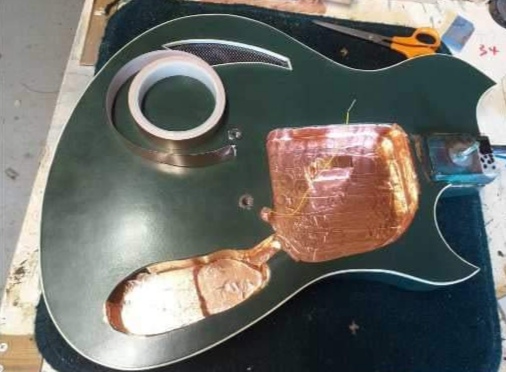
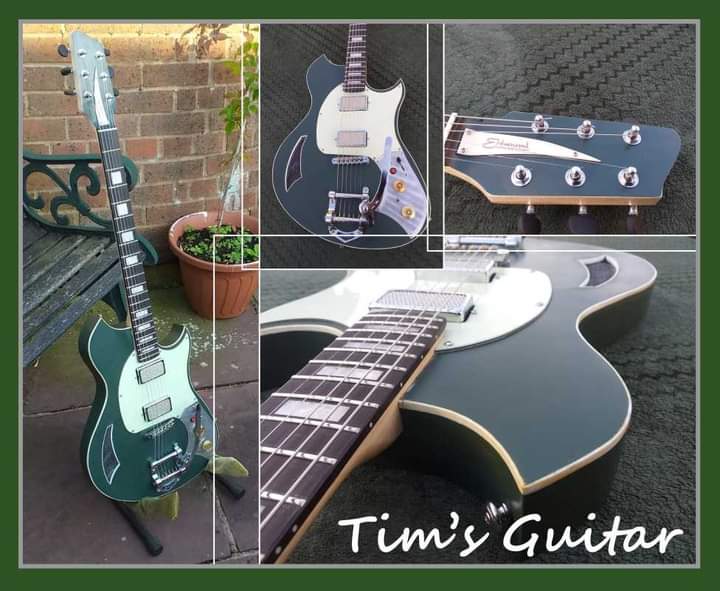
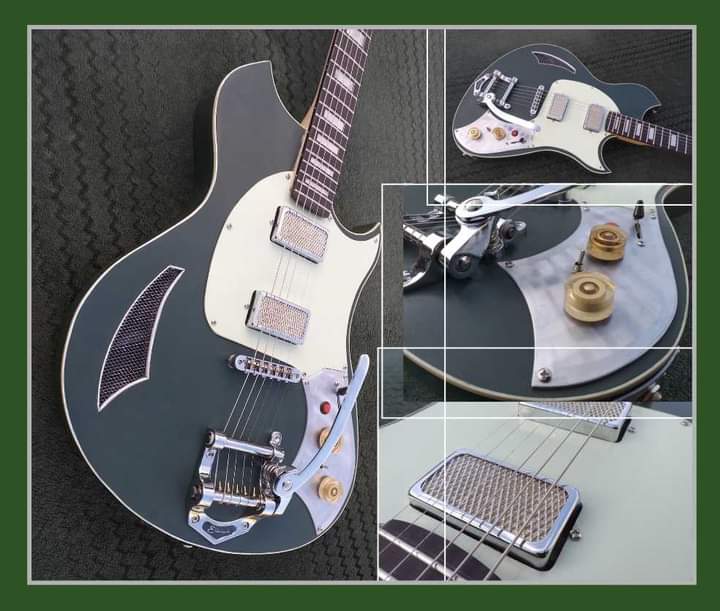
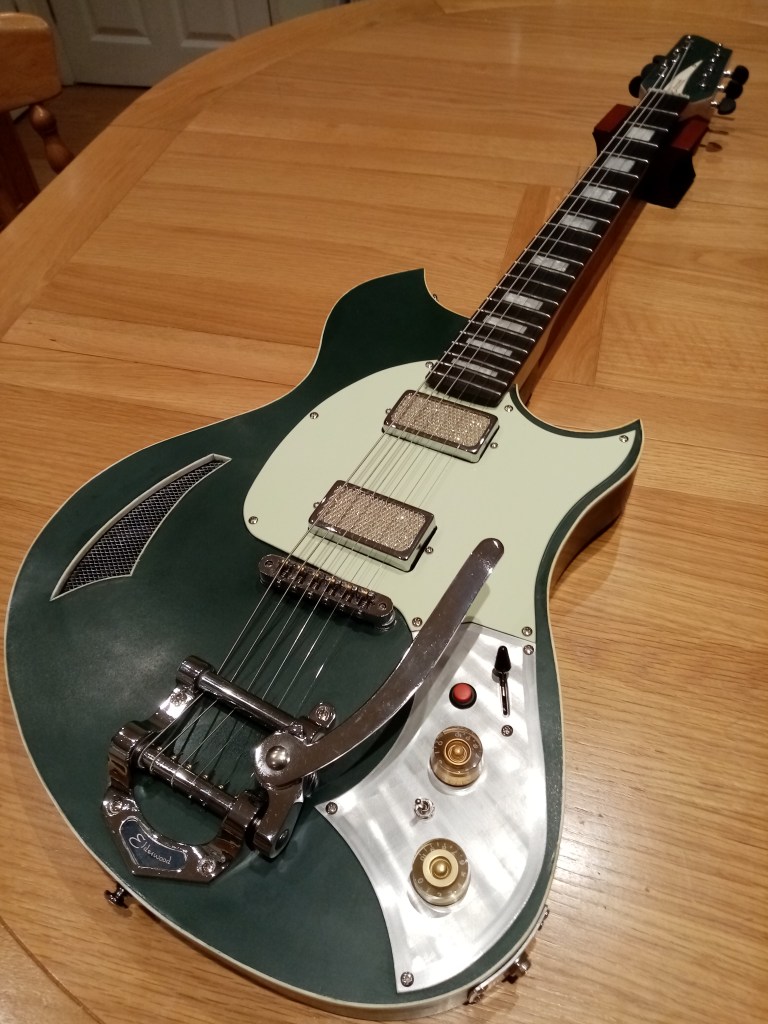
The next and final installment of this series (due in late December) will feature two novels I have been looking forward to reading. You can also expect updates on some upcoming studio dates and an in-depth review of a new guitar built for me recently. Until next time…
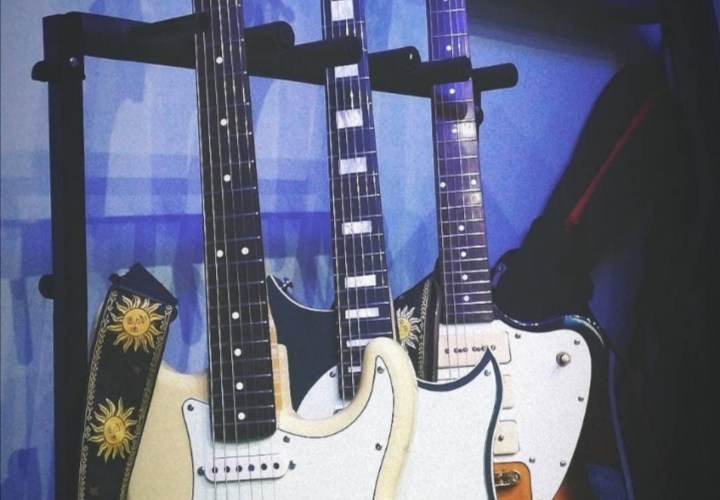
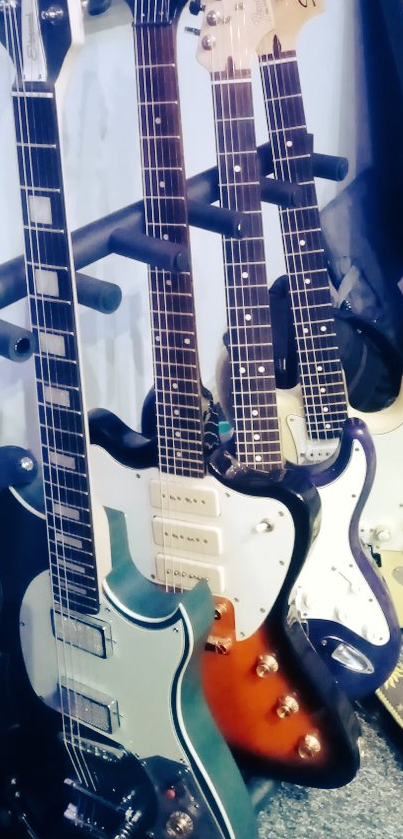
Harley Benton launch Ā£70 power amp for guitar pedal boards

Guitars & Gear

Greetings guitar folk. We are back with a little bit of guitar gear news which seems to have dropped this morning…

Most guitar players have probably heard of Harley Benton before. The brand (owned by the European online music superstore Thomann) are well known for bringing surprisingly good guitars into the beginner/lower priced end of the market which have significantly better quality control than their rivals (their 335 copy is in high demand). They also offer a range of instruments and accessories that are useful for working musicians to have in their arsenal. To that end, they have introduced the GPA-100, a power amp that fits in your pedal board.

Here’s a link to the Harley Benton page for more information

The GPA-100 features master volume, plus 3 band EQ (treble, middle, bass). It’s main purpose might be to save the day, should your main amp/floor unit fail. And Ā£70 is a small price to pay for that piece of mind.

If I have the chance to test one out, I will drop a review on here. If you buy one, please let me know what you think! Bye for now!

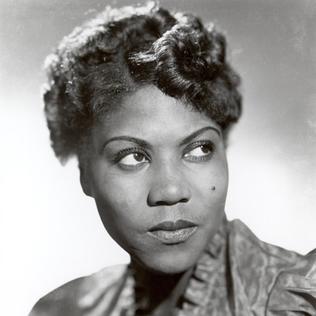
Great Guitarists #11: Sister Rosetta Tharpe

Great Guitarists

In this installment, a singer and guitar player who took the blues, folk and gospel and created what could arguably be considered the forerunner to rock’n’roll…

Sister Rosetta Tharpe

Born in 1915, Tharpe (born Rosetta Nubin) started playing guitar and singing in church at the young age of just four years old. Touring with an evangelical church troupe from the age of six, she settled in Chicago. Her stage name comes from her first marriage to preacher Thomas Tharpe at the age of 19; she carried on using the name Tharpe professionally after their divorce in 1984 , up until her death from a stroke in 1973 (during which time she remarried twice).

Tharpe is perhaps best remembered as a singer, with a loud clear singing style. But something about her singing, combined with her foot stomping and blues-tinged guitar picking – not to mention some cool lead lines – stirred the interest in many young listeners who would go on to be the next generation of musicians. Little Richard and Johnny Cash both called Tharpe their favourite singer, she is cited as a crucial influence to artists such as Aretha Franklin, Jerry Lee Lewis, Tina Turner, Isaac Hayes, Meatloaf and Karen Carpenter. Tharpe’s appearance on a British TV special about the Blues and Gospel Caravan, a European tour of US musicians that also included Muddy Waters, Otis Span and Sonny Terry, amongst many others, brought her to the attention of British audiences, including future guitar superstars like Eric Clapton.

“Tharpe’s guitar style blended melody-driven urban blues with traditional folk arrangements and incorporated a pulsating swing that was a precursor of rock and roll”

Biography.com (‘Sister Rosetta Tharpe’, 2015)

Tharpe’s guitar playing is said to have directly influenced the vocals/guitar style of Chuck Berry and Elvis Presley – and if the first rock’n’rollers such as Berry, Presley and Richard call Tharpe an influence, she must the foundation of all that followed…

Tharpe’s career was curtailed by a stroke in 1970, and she died just three years later. Nowadays, her influence is often unfairly overlooked, and sometimes forgotten entirely. However, Tharpe played a crucial role in the history of American music of the 20th century, not to mention the birth of rock’n’roll. Furthermore, in this brilliant article by Erin White, Tharpe is hailed as a Queer Icon too, largely due to speculation over her affair with singer Marie Knight.

Here she is on a TV show in the mid-sixties, singing a gospel song with a gospel choir, but playing a slightly overdriven Gibson Les Paul Custom (although we know these as a Gibson SG nowadays) with it’s three humbuckers. She also pops in a blues-based solo in the middle!

When I think of three humbucker guitars, I recall Neil Young’s ‘Black Beauty’ Les Paul, or the rock band KISS. As for the SG guitar shape, Angus Young of AC/DC and Tony Iommi of Black Sabbath are the first two players who spring to most people’s minds – not a lady in her fifties singing a combination of blues and gospel. It must be remembered that for many, Sister Rosetta Tharpe was the first black woman they’d ever seen playing an electric guitar, and she could play! But what else should we expect from the Tharpe – one of a small handful who can truly claim to be the start, or inspiration, of rock’n’roll?

Recommended listening

Tharpe’s 1944 single Strange Things Happening Every Day, is considered one of the first rock’n’roll singles, and is the first ever Gospel record to make it onto Billboard’s Harlem Hit Parade (now called their R&B chart). One her most acclaimed studio albums is Gospel Train (Mercury, 1956). This record marks the stylistic change, backed by New York session musicians, and is considered highly influential on later rock’n’roll artists.

With a career that took place from the 30’s to the early 70’s, it is sometimes best to seek out compilation albums in order to have all of Tharpe’s most well-known releases in one place. To that end, I would recommend Bring Back Those Happy Days: Greatest Hits and Selected Recordings (Jasmine, 2018), or the 4-CD set The Original Soul Sister (Proper, 2002).

As with each installment in the Great Guitarists series, I have only touched upon the surface of these influential players. I’d love to hear your thoughts on them, as well as recommendations on who should be featured (I have another four or five lined up already – I wonder if anyone can guess who is coming next?). Until next time…

Great Guitarists #10: Mary Osborne

Great Guitarists

In this, the tenth installment of my Great Guitarists series, I’m a little ashamed to say we have only looked at male guitar players so far. So, to round off my first ‘dectet’ of influential guitar players (and keeping in a jazz theme, like the previous installments), let me introduce to you Mary Osborne…

Picture Credit: Gretsch, 1959

Osborne was born into a musical family in North Dakota, 1921. Both her parents were musicians and her father’s barbershop was a known gathering place for local players. Already playing live by the time she was a teenager, Osborne was influenced by the playing of early jazz pioneers Django Reinhardt and Eddie Lang. However, it was Charlie Christian who first captivated her, and mentored her for a while, fine tuning her great sense of swing.

Osborne’s career ranged from trios (her own, and the Winifred McDonnell Trio near the start of her professional career), as well as some work as a sideman (or sidewoman) for the likes of Buddy Rogers, Joe Venuti (whose act included vocalists Kay Starr and The Andrews Sisters), amog many others. In the first of two spells in New York, she was the guitarist in Minton’s house band, where bebop was invented during the jams the legends of jazz had there. Her career continued throughout her life, and she was still performing live up until her death in 1992, at the age of seventy.

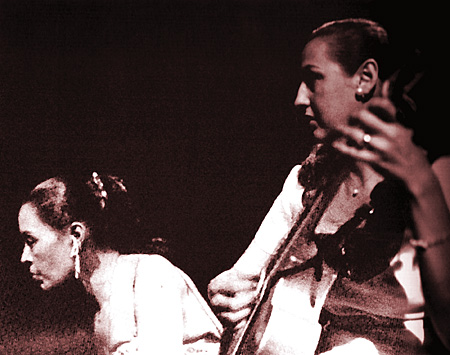
Osborne (R), with Billie Holiday (L), 1958. Picture Credit: Nancy Miller Elliot

Equipment

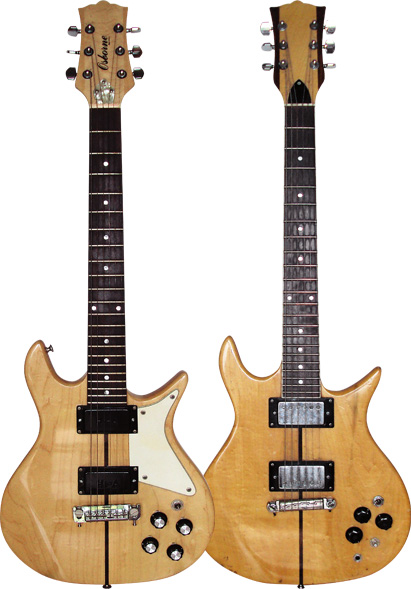
Osborne purchased the same model of Gibson archtop that Charlie Christian played – the ES-150, an early version of the classic archtop ‘jazz boxes’ we know and love today. It came with a large spruce body and a single-coil pickup near the neck, itself containing a large magnet that helped deliver good definition and attack. She later played other guitars by Gibson, as well as models by Gretsch, such as the White Falcon. In the 1970’s, Osborne founded her own guitar company, Osborne Sound Laboratories, formed from the ashes of the Mosrite Guitar Company (whom her husband had worked for at the end of the 1960’s). Osborne Sound Laboratories made amplifiers personally tested by Mary herself, as well as a selection if interesting instruments (including funky looking solid bodies such as in the picture below). Sadly, they couldn’t penetrate the market due to the dominance of the big manufactures, such as Fender (despite their well-known quality issues in this decade) and the company folded in 1980.

Osborne Sound Laboratories guitars from the 1970’s. Picture Credit: VintageGuitar.com

Recommended listening

Osborne’s 1959 LP A Girl And Her Guitar (Warwick) stands testament to her talents in a golden era for jazz guitar. Her later record Now And Then (Stash, 1981) shows a player who survived longer than most of her contemporaries, and continued to play beautifully.

Also, check out The Mighty Two (1963, Roulette), an LP by the two legendary drummers Louis Bellson and Gene Krupa. Although this was conceived as an instructional album for budding drummers, several tracks feature six musicians accompanying both drummers through nine of the songs on the record. As well as featuring Osborne on guitar, you can hear Milt Hinton (bass), Joe Wilder and Joe Newman (trumpet), Phil Woods (alto sax), Dick Hymen (piano) and Tyree Glenn (trombone) – something of a who’s who in sidemen for the time. The ensemble playing is tight, and the entire LP is a unique artefact of jazz history.

Examples of using intervals in guitar playing, part 2: fourths and fifths

Advice & Tips

Welcome back to this overview of intervals in guitar playing! In part one, we looked at thirds, sixths and tenths. In this follow up article, we will be taking a brief look at fourths and fifths. Both of these intervals can be used more ambiguously, as they remain the same in the context of a major or minor chord (when sticking to notes in diatonic scale, at least – more on that later). Because of this fact, they can utilized in slightly different ways to the tones they sit alongside in common scales. Let’s take a look…
Fourths

Fretting the two highest strings together at the same fret creates this classic double stop, which can be heard all over rock’n’roll, but famously in the intro and solo for Chuck Berry’s Jonny B. Goode. Berry developed this style so he could recreate horn lines, as his live band was a smaller ensemble than many bands of the time (which would typically have more than one sax, trumpet, trombone, among other brass instruments). Every rock guitarist that followed has used phrases first made famous by Berry, from Angus Young to George Harrison. It is also a useful interval for slide guitar playing as it can be used over major and minor chords alike (you can see an example of me playing 4ths with a slide on this cover video of a well-known song).

In jazz, Wes Montgomery pioneered the use of stacked fourths, creating chord-based solos using 4th intervals on top of each other (for example, one chord would sound, low to high, as A, D, G, C), and the shape would move in line with the melody. George Benson kept up this tradition, but would also regularly employ diads (two notes played together) of 4ths in his lightning-fast solos.

Fifths

A fifth is an inversion of a fourth, and vice versa. Here, the strict definition can become blurred – think of the intro to the Deep Purple song Smoke On The Water and you’ll hear diads playing the entire riff in what sound like fourths (eg, the first pair of notes is a D, then a G on top). However, since the melody is following the G minor pentatonic scale (as the song is in the key of G minor), I’d argue that this riff is an inverted fifth (D being the perfect fifth of G), as the melody note is higher than the harmony note.

In rhythm guitar, a root and fifth creates the classic power chord heard in most varieties of rock music. Alternating the fifth with a sixth, and moving back and forth between the two, gives the famous (almost clichƩ) rocking riff used by artists from Chuck Berry to Status Quo and beyond.

Variations on ‘perfect’

The intervals we have discussed above – using the fourth and fifth notes in a diatonic scale, create what is known as perfect fourth / fifth. However, as with any note, we can raise or lower it’s pitch by a semitone for a new musical sound. Flat fourths & fifths are both referred to as diminished (and of course be found in diminished chords and scales). Raised ones are called augmented. As a fourth and fifth are only a tone apart, a diminished fifth is exactly the same thing as an augmented fourth – just in case you were confused!

Apart from being the famous Devil’s chord (famously used on the Black Sabbath song Black Sabbath), this interval often occurs in Blues-based music. The Pentatonic Blues Scale is based on intervals of R, b3, 4, #4, (or b5), and b7. Likewise, in dominant seventh chords (for example, C7), the natural interval between the chord’s major third (E) and flat seventh (Bb) is a diminished fifth/augmented fourth. Highlighting these notes over these chords creates a wonderful effect without having to overthink your playing too much!

Finally…

There are a few intervals we haven’t covered in these two articles. Off the top of my head, these would be seconds, sevenths, octaves and extended intervals used in jazz chords and arpeggios, such as ninths, elevenths and thirteenths. I plan to look at octave-based playing in a future article, because it is a staple of my own guitar heroes, such as the great Wes Montgomery. However, if you’d like me to look into some of the other intervals (such as sevenths, which is a really useful colour tone in jazz), do let me know!