Great Guitarists #15: Cornell Dupree

Great Guitarists

Following my last article on the recently passed Herbie Flowers, it felt fitting to return to some of the behind-the-scenes musicians in the next instalment of my (ever-so-intermittent) Great Guitarists series. I have already shone a light on some of my personal favourites, including Steve Cropper and Barney Kessel, and this time I’m focusing on another sideman who played on so many sessions he had the nickname “Mr 2500”, Cornell Dupree (1942-2011).
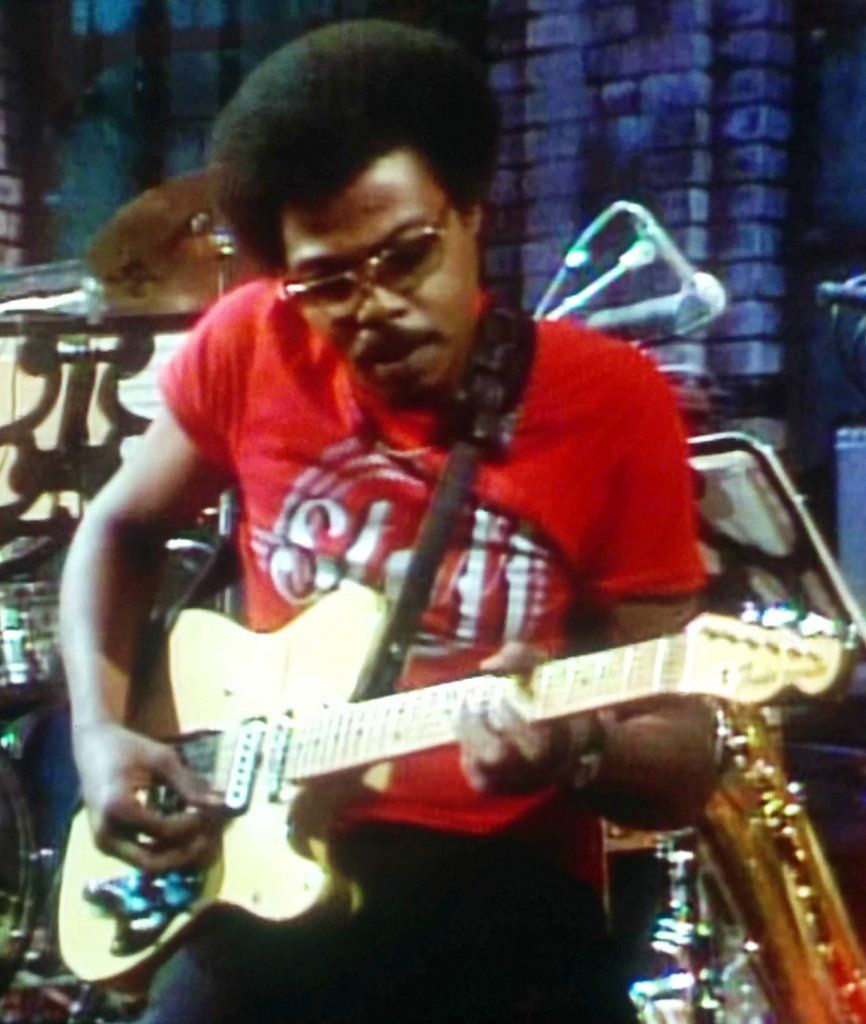
There’s not many guitarists, even in the session world, whose credits include such a diverse range of artists, from Barbara Streisand and Mariah Carey to jazzers Herbie Mann and Sonny Stitt, as well as rockers Joe Cocker and Ian Hunter.

Born Cornell Luther Dupree Jr in Fort Worth, Texas. His career began in Texas, having decided to learn guitar after seeing Jonny ‘Guitar’ Watson in concert. While playing in local bands, he will have undoubtedly encountered and opened shows for other well-known and respected Texan artists such as T-Bone Walker, Lowell Fulson, Albert Collins, Lightning Hopkins, as well as country stars such as Roger Miller and Ray Price.

In the early 1960s, Dupree was called to New York by saxophone player King Curtis (whom he had known from their days in Fort Worth) to join him in his band The Kingpins. This group were a joined a few years later by a second guitarist – a certain James Marshall Hendrix…

Left to right: King Curtis, Cornell Dupree, and Jimi Hendrix performing with The Kingpins

In a band without a keys player the two guitarists worked together to fill out the band’s sound; Hendrix quickly taking on soloing duties while Dupree filled out the rhythm section. While Hendrix was dismissed from the band in 1965 (for being too loud, too flashy and often late to gigs), Dupree stayed with King Curtis, both onstage and in the studio, up until the band leader’s death in 1971.

Dupree made is first foray into session work in the mid-sixties, while still in the Kingpins. He spent much of the next decade and a half as a much called upon ember for Atlantic Records’ in-house studio band. In the the 1970s alone, his playing graces the albums of artists such as Aretha Franklin, Grover Washington Jr., Donny Hathaway, Miles Davis, Lulu, Herbie Mann, B.B. King, Freddie King, Billy Cobham, Paul Simon and many, many more.

Atlantic Records producer Jerry Wexler stated (in the liner notes to Dupree’s 1994 solo record Bop’n’Blues) that Dupree’s ability to play lead and rhythm at the same time meant that only one guitarist was required to provide what was needed. Thanks to recommendations from former bandmates such as bassist Chuck Rainey, Dupree soon gained a reputation as the only guitarist a producer might need.

Amongst all this, Dupree not only found time to release over a dozen solo records, but also founded the jazz fusion group Stuff. Stuff were a who’s who of session musicians including bassist Gordon Edwards, Richard Tee on keys and Steve Gadd on drums and fellow session guitarist Eric Gale. Their appearance at the 1976 Montreux Jazz Festival is available as a concert video and LP (see one of the tunes, Stuff’s Stuff, below), showcasing these players at the top of their game.

Stuff live at Montreux, 1976

In later years, Dupree continued to perform despite declining health. He can be seen at the end of the Bill Wither documentary Still Bill playing ‘Grandma’s Hands’ with Withers while using an oxygen tank to aid his breathing. He died in 2011 while waiting for a lung transplant as a result of emphysema.

Playing style

As a soul-based guitar player, much of Dupree’s playing used a clean sound with minimal effects, except for a touch of reverb, in most cases. This allows his playing to shine through without becoming overly dominant in the mix. His style demonstrates that blues and gospel-based pattern of question & answer, where one melodic phase acts as a short opening statement (of less than a bar in length), before being ‘replied to’ by another phrase of similar length.

His choral work makes use of the sort of flickering embellishments familiar to use through Jimi Hendrix making extensive use of them (along with Curtis Mayfield and others). In Dupree’s case, they always feel very tastefully executed, and seem to leave ample space for the artist (usually a vocalist) whom he is backing. In this sense, he is following the golden rule of the sideman: to make the featured artist sound good.

Stuff; the all-session jazz fusion supergroup

An integral part of Dupree’s lead guitar style is his use of sliding sixth to augment and enhance the chords he was soloing over. For those who are unsure about sixths, you can find my explainer on sixths and similar intervals here. Steve Cropper was a big proponent of this technique, and like Dupree, one of the guitarists I kept hearing on soul records time and again, without really knowing who these backing musicians were until I was older and starting to dig deeper into this side of my own guitar playing.

Equipment

Although reported to have started out on a Les Paul, then a Les Paul TV Special (a stripped down, P90-equipped version of the Les Paul), Dupree appears to be mainly pictured with a modified telecaster (another common element he shares with Cropper). He is often shown in older pictures with a white/faded blonde model, with a third DeArmond style pickup added in the middle position. This addition meant the pickguard could not be refitted onto the guitar, so Dupree appears to have filled in the screw holes with rivets. It certainly makes for a distinctive look!

A recreation of Dupree’s long-time telecaster (with added bird artwork not on the original guitar) by Scero Guitars

In 2002, Yamaha made a Cornell Dupree artist model Pacifica, using their telecaster-style ash body with a one piece bolt-on maple neck. This signature model had the same atypical pickup configuration that Dupree had been using for decades on his modded Telecaster. The Pacifica came with a neck humbucker and Seymour Duncan ‘Hot Rails’ in the bridge position, controlled by a three-way switch to toggle between them, but not a rivet to be seen!

Dupree with his Yamaha signature Pacifica

There was also an alnico V single coil in the middle, which could be added to any selection via it’s dedicated on/off switch. I’ve seen this mod on the guitars of a few professionals, particularly those who like to get the most sounds out of just one guitar (something I have written about before). Indeed, I’ve modded a few of my own guitars to ensure a similar level of flexibility and range of sounds (read about some of my mods here).

What can Cornell Dupree teach us?

Dupree was the master of economy of style, never overplaying. I guess that’s one of the reasons he was always asked back to more sessions; he knew how to serve the song. Another factor is his clear professionalism. As with Herbie Flowers, showing up, acting professional, and learning to anticipate the producers needs is a key element to a successful career as a session player.

While his former bandmate Hendrix might be more recognisable, having made a wonderful career on his own terms (and in his own time, it seems), Dupree seemed content to remain slightly off-centre stage. As a result, he had a long and varied career. Indeed, although Hendrix is undoubtedly the more seen, I’d argue that Dupree – thanks to his appearances on thousands of recordings by some of the music’s biggest-selling artists – may actually be the more heard of the two. In my mind, that’s quite the achievement.

Great Guitarists #14: BB King

Great Guitarists

Amongst the most famous blues guitar players, there are the so-called Three Kings of the Blues. All unrelated despite the shared surname, these three guitar players helped to define the sound of modern blues guitar.

We have already looked at Albert King and how his unorthodox technique and biting sound left a huge influence on later guitar megastars such as Jimi Hendrix, Buddy Guy and Stevie Ray Vaughan (to name just three). This time, we will focus on the man who is – quite probably – the most influential blues guitarist of all time: B.B. King.

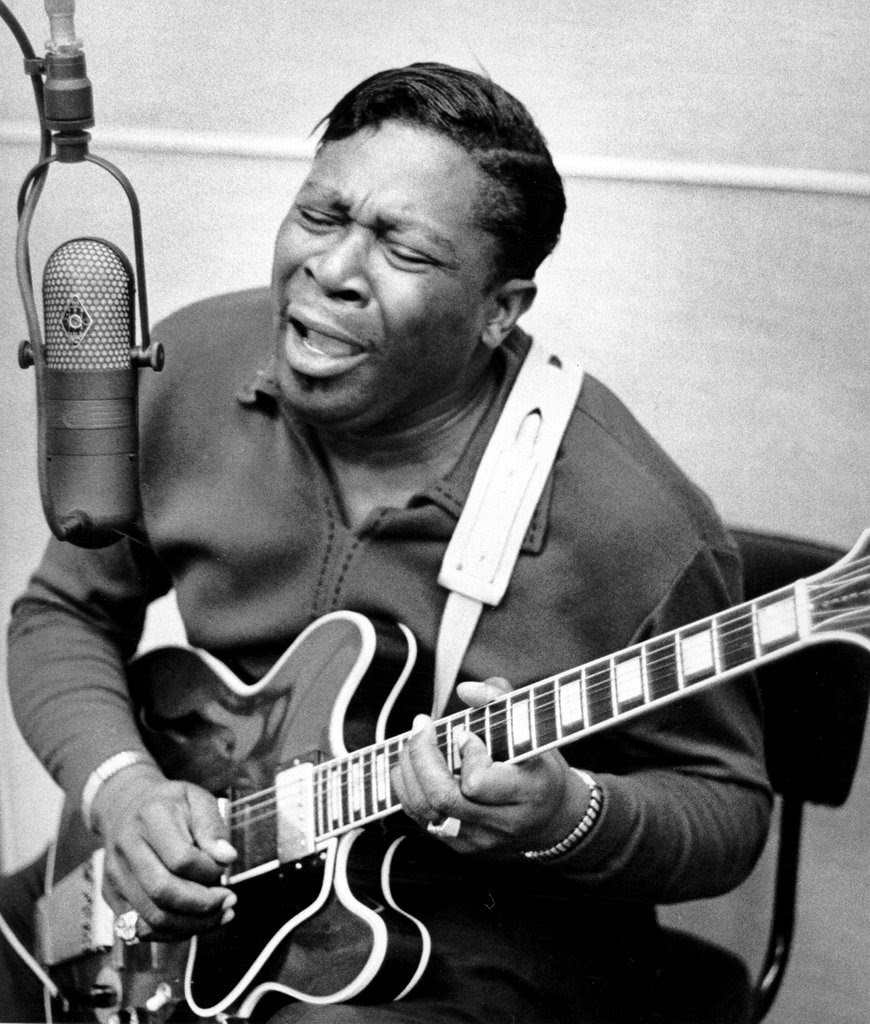
Much of King’s influence is indirect, but the vast majority of guitar superstars in the 1960s and 1970s owe a debt to this man’s melodic and simple, yet incredibly emotional and effective, style of lead guitar playing. He was also a brilliant singer, working in duet with his own guitar playing, like the singer-guitarists of the early blues period, but bringing the genre into the modern electric era with a wonderfully soulful edge.

(Credit: Mike Moore)

Early years

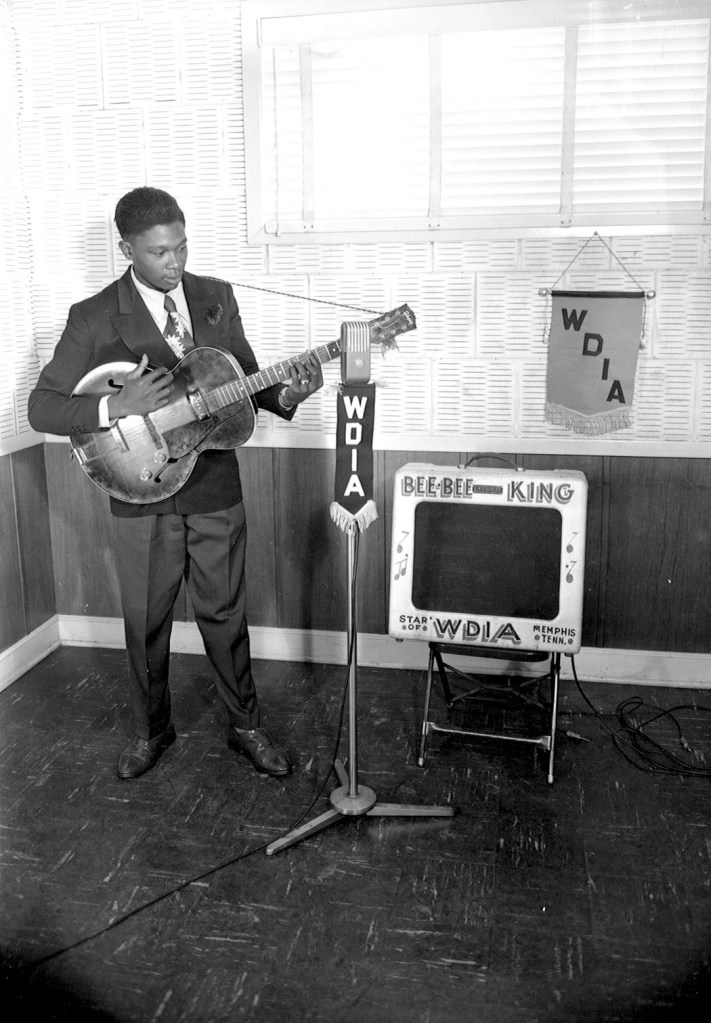
Riley B. King was born on the 16th of September, 1925, on a cotton plantation in Leflore County, Mississippi. In his teens, King sang in a local gospel choir and learned his first few guitar chords from the preacher at his church. He spent his late teens working as a tractor driver and as a guitar player for a popular touring choir, performing at religious services across Mississippi. But after hearing Delta Blues on the radio, King aspired to become a radio musician. Following a move to Memphis, King began to realise this dream, performing on various radio shows and eventually landing his own on the station WDIA. Here he soon garnered the nickname “Beale Street Blues Boy”, which was shortened to “Blues Boy”, eventually becoming the “B.B.” he was known by for the rest of his career.

It was during his stint at WDIA that King first met T-Bone Walker, later stating “Once I’d heard him for the first time, I knew I’d have to have [an electric guitar] myself”. Aside from the Delta Blues and T-Bone Walker, King’s early blues influences were singer-guitarists such as Blind Lemmon Jefferson and Leadbelly. He was also influenced by early jazz guitarists Charlie Christian and Django Reinhardt.

What these players had in common was a knack for beautiful single-line guitar melodies, and an ability to work with singers and other instrumentalists in a ‘question and answer’ style which King would later perform with himself, singing his songs and responding to his vocal lines with a guitar lick.

Finding success

King became popular on the Beale Street blues scene in Memphis, performing with other well-known acts of the time, such as lifelong friend Bobby Bland. He cut some early records with Sam Phillips, who later founded Sun Records (and discovered Elvis Presley), but these did not chart too well. However, he soon had a number one record on the Billboard Rhythm & Blues chart with 3 O’clock Blues in 1952. This was followed by a run of successful blues singles which helped King become a well-known name on the national blues touring circuit.

During the 1960s, King received the nod of approval from a singer he much admired, Frank Sinatra. Sinatra had arranged for King to play at the main clubs in Las Vegas. King credited Sinatra for opening doors to black entertainers who otherwise were very rarely, if ever, given the chance to play these venues.

Water from the white fountain didn’t taste any better than from the black fountain

BB King, quoted in Esquire, 2006

By the end of the 1960s, groups associated with the so-called British Invasion (see below) allowed King to reach a larger audience than before, through exposure to white audiences. This included opening for The Rolling Stones on their US tour of 1969.

BB King never abandoned the blues. But his biggest breakthrough hit, The Thrill is Gone, released in 1969, showed that the blues could be framed in a more modern, funk & soul-based setting that left room for King’s equally soulful singing and lead guitar voices. Although the song had been written in the early 1959s, King’s rendition, the first time he incorporated strings into his arrangements, earned him a Grammy Award for Best Male R&B Vocal Performance in 1970 and became his signature song.

The 1970s saw King release similarly soul-blues singles such as Hummingbird and I Like to Live the Love. For the latter of these songs, the studio version of which feels like a classic soul record, but here’s a slightly faster version from a concert King gave in Zaire (now known as The Democratic Republic of the Congo) in 1974 – look out for legendary session guitarist Larry Carlton on backing guitar:

Video credit: GravyLimited/YouTube

King’s music included elements of funk, soul, gospel and jazz, all combined to create a unique style which many bluesman continue to emulate to this day. By the 1980s, King was already an Elder Statesman of the blues, and the LPs he released over the decades from here until his passing in 2015 were largely albums of duets, featuring a veritable Who’s Who of stars from the world of the blues and beyond.

Influence

Early on, King transcended his musical shortcomings — an inability to play guitar leads while he sang and a failure to master the use of a bottleneck or slide favored by many of his guitar-playing peers — and created a unique style that made him one of the most respected and influential blues musicians ever.

LA Times obituary of BB King, 2015

Although his urbanisation of the blues brought forth some detractors, King’s economy of style proved influential on many of his peers, not least the generation of guitar players who followed him, such as Buddy Guy. Jimi Hendrix was also a big fan of King, incorporating some of his licks into his eclectic vocabulary of psychedelic blues playing.

However, King’s greatest influence came from across the pond in the United Kingdom. While blues artists were not getting much airtime on mainstream radio in the US, young guitar players in Blighty were eager to snap up any blues records which came across the Atlantic. The resulting generation of guitarists redefined the sound of the blues, taking their bands back across to the US and finding great success. Groups such as The Rolling Stones (with guitarists Keith Richards, Brian Jones and later, Mick Taylor, who who displayed BB King’s influence the most overtly), The Yardbirds (which featured, at varying times, legendary guitarists Eric Clapton, Jeff Beck and Jimmy Page) and Fleetwood Mac (Peter Green) were just some of the British bands who followed the success of The Beatles, and helped US audiences rediscover their own elder statesmen of the blues, such as King.

Yet King’s influence didn’t end with the generation which followed. He recorded the rock-based duet When Love Comes To Town with U2 on their 1988 album Rattle and Hum. The arena-filling bluesman of the moment, Joe Bonamassa, puts his success down to a meeting with King when he was just twelve years old, leading the young guitarist to act as an opening act for King, from which he has grown an illustrious career of his own. The groove from King’s 1970 song Chains and Things was a huge inspiration for Gary Clark Jr. The track was also sampled by hip hop artists such as 50 Cent and Ice Cube.

Credit: BB King Official YouTube Channel

Looking back from the history of guitar, blues or otherwise, from the mid-20th century to date, you’d be hard-pressed to find a guitar player who doesn’t owe King a debt f thanks, be it directly or indirectly. It has even been said that a young Elvis Presley was a fan, long before he helped create a newer, uptempo version of the blues known as Rock’n’Roll…

Equipment

All this passion and soul, not to mention influence, from a disarmingly simple setup. Although early photos sometimes show King playing a Gibson ES-5, most of initial singles with RPM were in fact recorded on a Fender Esquire, the forerunner to the Telecaster.

However, by the 1960s, King had switched to the guitar he is most associated with, the Gibson 335.

(Credit: Gibson)

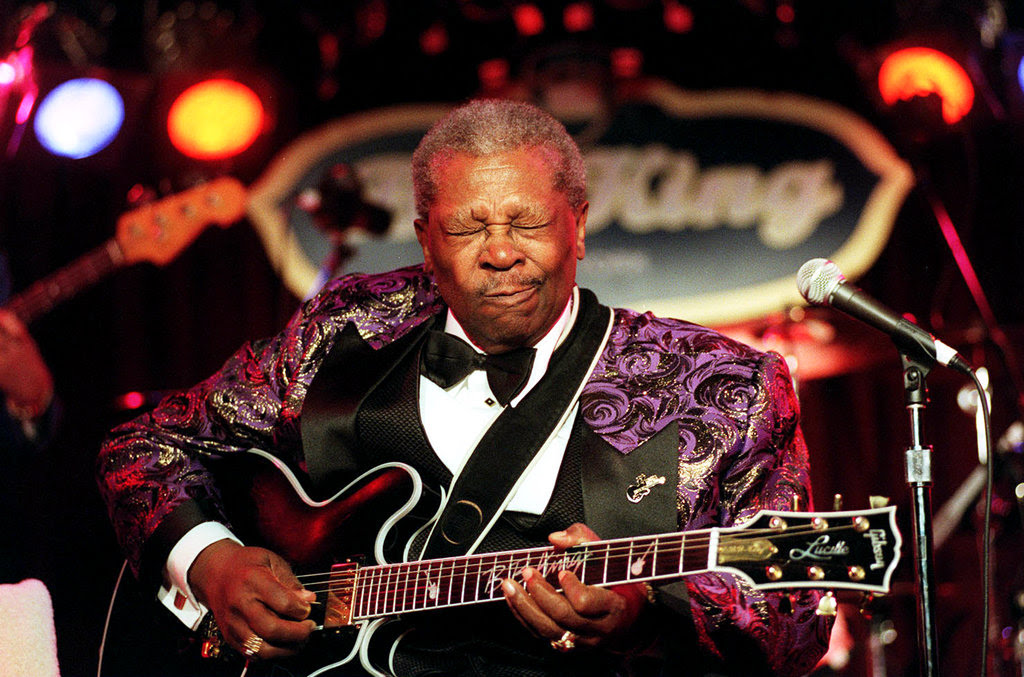
The semi-hollow design allowed space for King’s lead lines to ‘sing’ a little.more freely, but in an era of loud onstage volumes, it also meant the guitar was prone to feedback. To counter this, King used to stuff the f-hole with material to cut down on feedback. Eventually, Gibson began making him his own signature model 335 without f-holes. All of these guitars have since been known as Lucille, following an incident where a fire was caused at a show, all started over a woman of the same name.

For amplification, King favoured the sound of a Fender Twin. King has stated his belief that Fender amps were “the best ever made”, in terms of sound and durability.

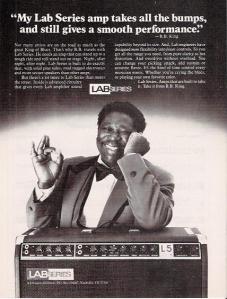
During the seventies and eighties, King also used a Lab Series L5 2×12″ combo amp. This was probably an upgrade of sorts on the Twin, while still retaining the tone King loved and was renowned for.

Recommended listening

There are plenty of records to choose from, spanning the entirety of King’s long career. You won’t go wrong with any of his releases, but for a taste of his early singles, check out The Modern Recordings: 1950-1951. These tracks (including rare alternate takes of his original 45rpm releases) most strongly showcase the jazzy influence of T-Bone Walker in King’s melodic guitar playing.

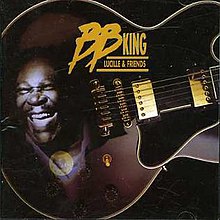
In terms of King’s collaboration albums, there’s plenty to choose from. Lucille and Friends (1995), Deuces Wild (1997) and B.B. King & Friends: 80 (2005) feature a wealth of well produced blues duets with the cream of the rock and blues worlds, recovering songs from King’s repertoire. King also recorded albums of Louis Jordan covers, as well as records and live albums with the singer Bobby Bland. However, his 200p release with Eric Clapton, Riding With The King, shows both guitar players on top form.

However, the quintessential B.B. King record, and one that I believe is essential listening for any blues guitarist, is his 1965 release Live At The Regal, a concert recording from a show at The Regal Theatre in Chicago on the 21st of November, 1964. Hailed as one of the greatest blues albums of all time, this record showcases King at his finest, and is one of the records which helped to shape me as a guitarist. Highly recommended.

As always, I’d love to hear your thoughts. King was a prolific live performer, so if you were ever lucky enough to see the master at work onstage, do get in touch to share your experiences. Until next time…

Why practice doesn’t always make perfect

Advice & Tips

Does practice make perfect? It’s undoubtedly true that the more you focus on doing something, the better you become at its accomplishment. However, as this Guardian news story from 2019 highlights, the modern convention of ‘the 10,000 hour practice rule’ may not be quite the guarantee some people have sold it as. Personal improvement, in any sphere of one’s life is never so cut-and-dry, nor can the same methods work for every individual.

The key question is why do you practice, or rather, what are you practicing for?
For instance, is it to sound like a particular musician? And if so, why?

Take this example: I love BB King, and have listened to his music for over two decades to date; I’ve learned some of his key phrases, his recognisable musical characteristics such as his blues box, vibrato technique and the space he’s leave between notes, etc. And despite learning & digesting all of this information – heck, I used to teach these techniques at specialist masterclasses focusing on the blues master – I still sound nothing like him when I play guitar.

That’s not a bad thing, either. It doesn’t represent a failure on my part. If anything, bring able to incorporate so many elements of a player who got so much right, while still retaining my own musical voice, has to be an achievement worth celebrating in some small way. Of course, a large part of a guitar player’s sound comes from their fingers, so I’d never have been able to completely obscure who I was, even if I wanted to.

Perhaps you simply wish you could execute certain techniques as well as the great masters of your chosen instrument? Read that Guardian article again, then learn to measure success by your own improvement, in comparison to your past self only.

It almost sounds trite, but you can’t stop being you, so be the best you possible

So how should you practice? This interesting article from Bulletproof Musician offers some insights into what you should be looking for, and offering the term deliberate practice instead.

For further reading, feel free to peruse my older blogs & reblogs on the subject of practice, such as my warm-up and practice recommendations, advice for young musicians, and this reblogged article from Nicole Rogers on how to practice effectively.

Just remember, perfection is an illusion, and no amount of practice will stop you from being you. Perhaps we should all embrace that.

Ten guitarists who influenced my playing, in pictures

Music

This is one of those exercises / challenges which circulates around Facebook from time to time (much like the one which inspired a previous post about ten albums which inspired me). This one asked guitarists to post photographs of ten guitar players who had been the greatest influence on their own playing.

I find these thought exercises difficult – challenging is the perfect word! I feel like I could post forty pictures and still have missed out a key influence on my playing, yet here we are, in no particular order…

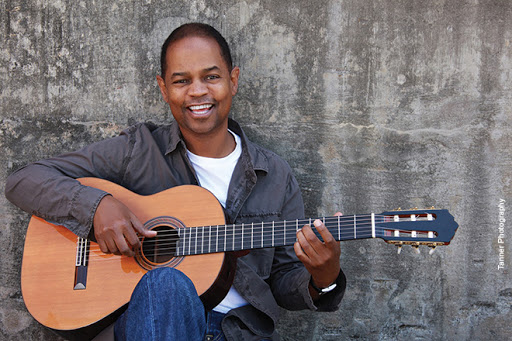
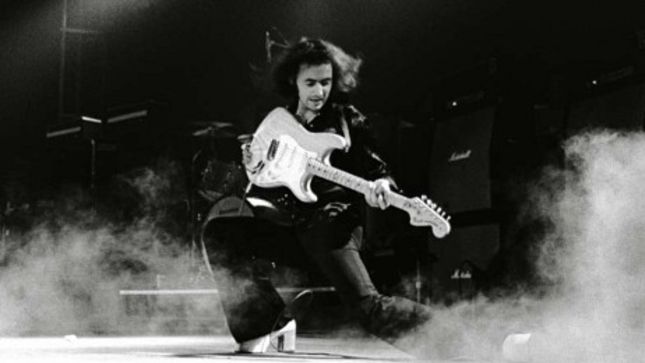
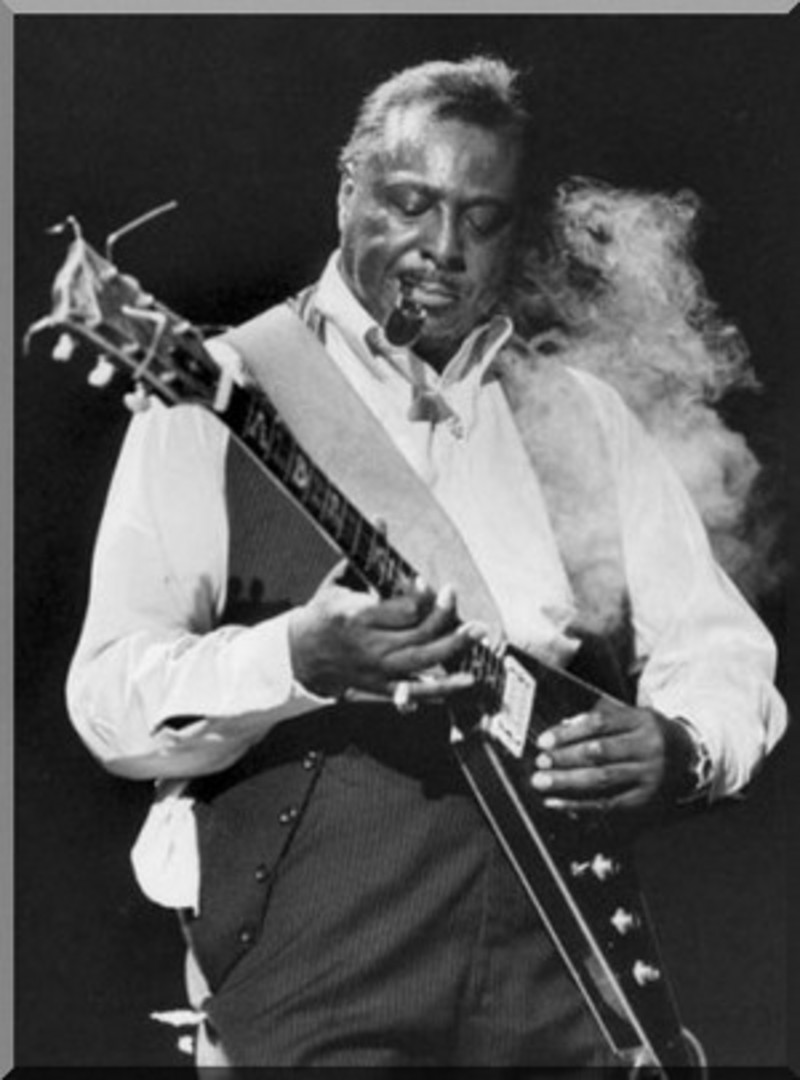
What do these players have in common? Some are strikingly different. The key characteristics I gravitate towards in other musicians are…

  • Tasteful or melodic solos
  • Blending of musical genres
  • Dazzling showmanship / inspirational technique

…and all of the guitarists pictured above have one or more of these traits.

As always, these are just my opinions. I may well delve into my influences in more specific areas in a future article. But what are your biggest guitar influences? Get in touch or leave a comment to let me know!

Examples of using intervals in guitar playing, part 2: fourths and fifths

Advice & Tips

Welcome back to this overview of intervals in guitar playing! In part one, we looked at thirds, sixths and tenths. In this follow up article, we will be taking a brief look at fourths and fifths. Both of these intervals can be used more ambiguously, as they remain the same in the context of a major or minor chord (when sticking to notes in diatonic scale, at least – more on that later). Because of this fact, they can utilized in slightly different ways to the tones they sit alongside in common scales. Let’s take a look…

Fourths

Fretting the two highest strings together at the same fret creates this classic double stop, which can be heard all over rock’n’roll, but famously in the intro and solo for Chuck Berry’s Jonny B. Goode. Berry developed this style so he could recreate horn lines, as his live band was a smaller ensemble than many bands of the time (which would typically have more than one sax, trumpet, trombone, among other brass instruments). Every rock guitarist that followed has used phrases first made famous by Berry, from Angus Young to George Harrison. It is also a useful interval for slide guitar playing as it can be used over major and minor chords alike (you can see an example of me playing 4ths with a slide on this cover video of a well-known song).

In jazz, Wes Montgomery pioneered the use of stacked fourths, creating chord-based solos using 4th intervals on top of each other (for example, one chord would sound, low to high, as A, D, G, C), and the shape would move in line with the melody. George Benson kept up this tradition, but would also regularly employ diads (two notes played together) of 4ths in his lightning-fast solos.

Fifths

A fifth is an inversion of a fourth, and vice versa. Here, the strict definition can become blurred – think of the intro to the Deep Purple song Smoke On The Water and you’ll hear diads playing the entire riff in what sound like fourths (eg, the first pair of notes is a D, then a G on top). However, since the melody is following the G minor pentatonic scale (as the song is in the key of G minor), I’d argue that this riff is an inverted fifth (D being the perfect fifth of G), as the melody note is higher than the harmony note.

In rhythm guitar, a root and fifth creates the classic power chord heard in most varieties of rock music. Alternating the fifth with a sixth, and moving back and forth between the two, gives the famous (almost cliché) rocking riff used by artists from Chuck Berry to Status Quo and beyond.

Variations on ‘perfect’

The intervals we have discussed above – using the fourth and fifth notes in a diatonic scale, create what is known as perfect fourth / fifth. However, as with any note, we can raise or lower it’s pitch by a semitone for a new musical sound. Flat fourths & fifths are both referred to as diminished (and of course be found in diminished chords and scales). Raised ones are called augmented. As a fourth and fifth are only a tone apart, a diminished fifth is exactly the same thing as an augmented fourth – just in case you were confused!

Apart from being the famous Devil’s chord (famously used on the Black Sabbath song Black Sabbath), this interval often occurs in Blues-based music. The Pentatonic Blues Scale is based on intervals of R, b3, 4, #4, (or b5), and b7. Likewise, in dominant seventh chords (for example, C7), the natural interval between the chord’s major third (E) and flat seventh (Bb) is a diminished fifth/augmented fourth. Highlighting these notes over these chords creates a wonderful effect without having to overthink your playing too much!

Finally…

There are a few intervals we haven’t covered in these two articles. Off the top of my head, these would be seconds, sevenths, octaves and extended intervals used in jazz chords and arpeggios, such as ninths, elevenths and thirteenths. I plan to look at octave-based playing in a future article, because it is a staple of my own guitar heroes, such as the great Wes Montgomery. However, if you’d like me to look into some of the other intervals (such as sevenths, which is a really useful colour tone in jazz), do let me know!

Examples of using intervals in guitar playing, part 1: thirds, sixths and tenths

Advice & Tips

Single line lead guitar playing is great. But when you have six strings and four fingers to hold them down, why limit your playing to one note at a time? Throughout the history of guitar, players have used two notes (or more) at once, resulting in something halfway between a single note line and a full guitar chord. We do this for a few reasons:

  • It adds depth (useful in trio settings, for example)
  • To create a certain feel (which we will touch upon below)
  • To imply a chord through highlighting certain scale tones
  • To make certain phrases stand out

What is an interval?

An interval is he distance between two notes, in terms of pitch. Thinking of the C major scale (visualize the white keys on a piano), the root note (C) is 1, and the next note (D) is therefore 2, so the interval between C and D is known as a 2nd. More specifically, it is called a major 2nd because it is a whole tone away from C (whereas Db, only a semitone higher, is known as a minor 2nd). The next note in the C major scale would be E, which is called a major third (and Eb is the minor 3rd). I won’t bog us down in theory for this article, but if you need a more in-depth explanation, check out this video from Victoria Williams of mymusictheory.com.

It’s possible to use any interval when playing, especially lead lines. However, some are more effective than others. In this article, I’m going to stick to three types of interval: thirds, sixths and tenths, along with a few well-known examples in music. Go give some of these a listen and see if you can spot the intervals in use.

Thirds

Common in any music with a Spanish in Latin twist, particularly on acoustic guitar. Try going up and down a major scale by playing each note with another note ‘two places higher’ in the scale on the next string up. For example, starting with a C by fretting the G string at the fifth fret, you ‘think up two notes’, skipping D, and playing E by fretting the B string at the fifth fret. The next note in the scale (D) would be played at the same time as F. Going up the fret board/scale, the notes should match up above each other like this:

  • EFGABCDE (thirds)
  • CDEFGABC (base notes of the C major scale)
Picture Credit: GUITARHABITS.com

Check out this useful video by Pete Farrugia, which covers thirds and sixths in greater detail (see below).

It is also the most commonly used interval for twin guitar harmonies, such as:

  • Thin Lizzy – The Boys Are Back In Town (recurring twin lead line after the choruses)
  • The Eagles – Hotel California (harmony lines at the very end, during fade-out)

Sixths

One of my personal favourites, which I use a lot in my guitar playing. Sixths are essentially an inverted third, where the base note (eg, C) is played highest (such as one the E string at the 8th fret), while the harmony note (E or Eb) is played two strings lower (in this case, the G string, at the 9th fret for E, or the 8th fret for Eb).

Picture Credit: NZMusician.com

They can highlight major and minor chords, and sound great when you slide into them up and down the scales you’re using, as well as chromatically (think of the stereotypical blues ‘ending’). They’re great for soul playing too, implying a chord or scale with only two notes (as with tenths – see below). I’m not alone in this – examples exist across the various genres that the guitar is used for, including:

  • Steve Cropper’s guitar intro to the classic Sam & Dave song Soul Man
  • Chuck Berry on the intro to You Never Can Tell

Steve Cropper’s guitar playing uses this time and time again, on many classic recordings from Otis Redding to The Blues Brothers. He had a knack for finding the right guitar line that complimented the songs he played on, without overpowering them, and rightly deserves his own article looking into his style in greater detail (watch this space)!

Tenths

Tenths are essentially thirds, but with an additional octave between the two notes. This has the interesting effect of creating the impression of a chord, while still leaving a sense of space. It is the interval used in the opening phrase of the well-known classical guitar standard Lagrima. Here’s a chart to demonstrate where the tenth harmony for Bb (played alongside a D, two notes then one additional octave higher) across the guitar fretboard:

Picture Credit: PlayTheAxe.com

There has been a few examples of this in big singles recently. In each case, t tenths are used for the main guitar park in the songs:

  • Scar Tissue by The Red Hot Chilli Peppers
  • Love Yourself by Justin Bieber
  • Hold Back The River by James Bay

Tenths are also used in jazz. They provide a nice open-sounding stretch which is easy to play on guitar; they implied the chordal harmony while still leaving space for other instruments.

In summary

One thing that all three of these interval types have in common is their ability to reflect a major or minor chord. I think of them as the same interval, using a base note of C as an example again:

  • Third: C, played with an E (2 tones higher)
  • Sixth: An inverted third; C is played with an E a sixth lower (4 tones)
  • Tenth: A third, plus one additional octave between both notes; C, plus E (8 tones higher)

Each has it’s own feel and characteristic, and they are not always as interchangeable as you might think. Try playing around with them, across major and minor scales, then in your solos, and let me know how you get on!

Coming next: Part two of this subject will focus on intervals which can utilised over major and minor chords – fourths and fifths.

R.I.P. Julian Bream (1933-2020), a giant in the world of classical guitar

Great Guitarists

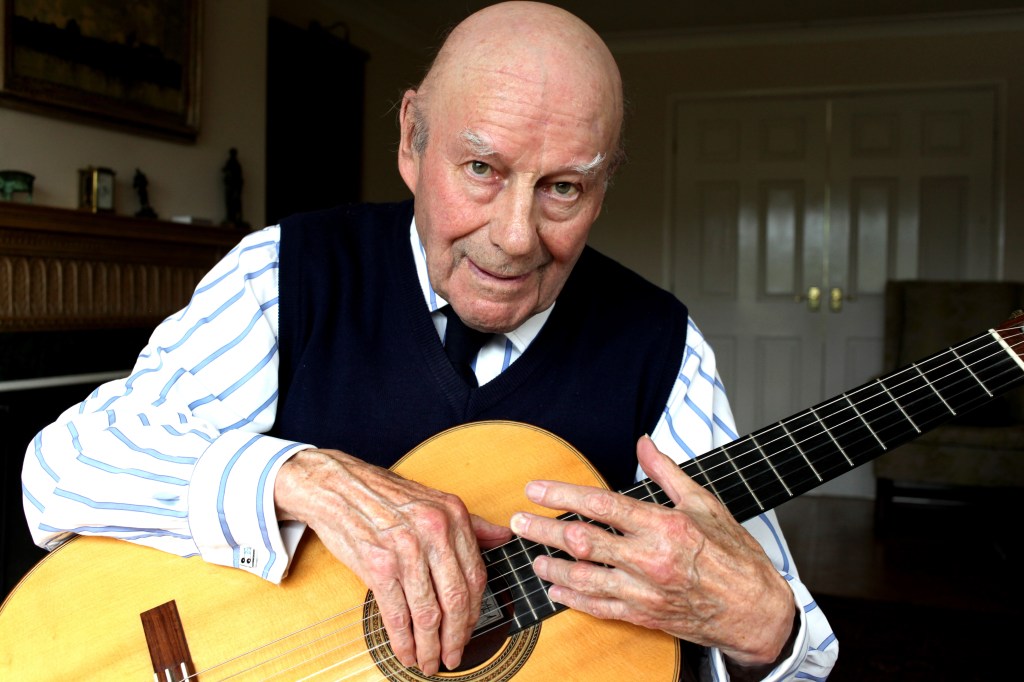
Not many classical guitar players are household names, either worldwide or here in the UK. Andres Segovia might be one, as a pioneer for performance of the instrument in it’s modern form. However, I’d suggest more people have heard of two of his more famous successors on the international performance stage. One is the very well-known Australian guitarist John Williams; the other, Julian Alexander Bream, who we learn has passed away at his Wiltshire home in the early hours of this morning, at the age of 87.

Julian Bream at home, 2014 (Credit: Eamonn McCabe for classicalguitarmagazine.com)

Born in London in 1933, Bream initially learned jazz , influenced by his father’s playing and Django Reinhardt. He was also offered a place at the Royal College of Music, aged just 12 years old, based on his piano playing. He later switched to the lute, and became a great champion for the instrument throughout his life, even as his focus shifted more and more towards classical guitar.

As well as his numerous transcriptions of lute pieces (such as those by Bach or Dowland) for guitar, Bream also performed many of the transcriptions left behind by Segovia, as well as the seminal guitar pieces composed by Francisco Tarrega. Known for his eye for detail, Bream’s virtuosity included an element of flexibility; a key example of this was that he did not maintain a consistent rigid right hand when playing (i.e., held at right angles to the stings), but made use of a more relaxed position, in order to achieve a greater variety in tone. This is something I do as well, because I, like Bream, am multi-genre guitarist. However, having been regularly admonished by my guitar tutor in my youth for holding an ‘improper’ right hand position, it was a relief to learn the one of the instrument’s masters did the same!

As Bream’s reputation increased, he was gifted pieces by composers as varied as “Britten, Walton, Tippett and Hans Werner Henze” (classical-music.com) and performed around the world. He also recorded TV specials, such as a series of four master classes on BBC television in the nineteen seventies, as well as segments for Channel 4 in the nineteen eighties. This no doubt helped him to become a household name for many, but he certainly never rested on his laurels. Even as an ‘elder stateman’ of the guitar, he apparently strove to improve himself. According to an interview given to The Guardian newspaper, Bream believed he was a better guitarist at the age of 70 than ever before!

Essential listening: A great place to start would be his two albums with John Williams, Together (1971) and Together Again (1974). Also, seek out his version of Joaquin Rodrigo’s Concierto de Aranjuez (with it’s famously emotive second movement).

Bream with lute (Credit: Avie Records)

Guitar students would do well to look at his crossovers into other styles, as well as his early lute work too, to get a more rounded picture of a hugely talented player, whose passing leaves a large hole in the classical guitar community.

Rest in peace, Julian.

Ukulele playing: pick or fingers?

Advice & Tips

One question I was asked fairly regularly by ukulele students in the past was:

Which is better for playing ukulele – fingers or pick*?

This blog post will hopefully go some way to explain why both are equally viable options. There – if you came to this article solely for reassurance on your preferred method of playing, I’ve saved you the hassle of reading any further!

[*NB – when I say ‘pick’, I of course mean a plectrum, like those used for guitar playing. If you’re here to learn about the kind if pick you dig holes with, you’re very much in the wrong place!]

If you’re looking for more information on picks, this rather informative article here from liveukulele.com may prove to be of use. But for now, let’s dive into our two options…

Pick (plectrum)

A pick is an easy option to start with, as even the nylon strings if a ukulele (as opposed to the steel strings used on a typical acoustic guitar) can have an effect on your fingers; this is particularly true of your nails and cuticles (the skin directly under your finger nails). You also get a louder, more direct sound when using a regular guitar plectrum, which are generally made of plastic or synthetic materials such as nylon & tortex (fake tortoise shell).

If you’re used to picking & strumming a guitar, you don’t have to make any changes to your right hand style at all. Although the same could be said if you’re primarily a fingerstyle player…

Fingerpicking

If you’re adept at fingerpicking guitar, you’ll be completely at home on the ukulele. In fact, it has two strings less, which should make it easier! I often find myself using my thumb for the G & C strings (the two closest to your face) and only making use of my index and middle finger for the E & A strings respectively.

I’ve also noticed that I perform finger rakes with any finger, and use my thumb in a greater variety of ways. Also, any guitar picking technique, from muting to string slapping & body tapping, all work equally well on a uke. If anything, my ukulele picking technique is more akin to how I play flamenco guitar!

Finally, you may notice that the tone of a fingerpicked uke is less harsh than when plucked with a pick. It’s certainly possible to obtain a greater range of sounds by adjusting which part of your fingers and nails pluck or strike the strings than could be managed with a plectrum.

Is there a middle way?

Well, yes. There are a few alternatives. Firstly, there’s felt plectrums. These are fairly common in ukulele playing and provide three ease of using a pick without the harsher tone. However, they’re less useful for more intricate playing, such as plucking individual strings.

There’s also a type of pick which sits on your fingers, popular in bluegrass styles.

Thumb & finger picks, popular in bluegrass banjo & guitar playing

These thumb & finger picks originated banjo playing, and offer the attack of a plectrum while still using fingerstyle hand & finger movement. Having said that, they do take a bit of getting used to! Many players use only the thumb pick in combination with their fingers. I’d recommend experimenting to see what works best for you.

But which is better?

As always in articles of this nature, I can’t give you a definitive answer, other than telling you my personal preference. For me, I don’t use picks at all in ukulele playing. I prefer the tone & versatility of using my fingers. But that’s just me – I encourage you to try both and see which one feels right for you.

Finally, don’t worry about sounding amazing if you’re new to trying a new playing style. Consider what feels most comfortable, and what has the best potential for you to continue improving in your playing. Let me know how you get on!