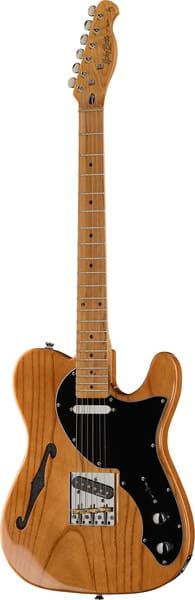
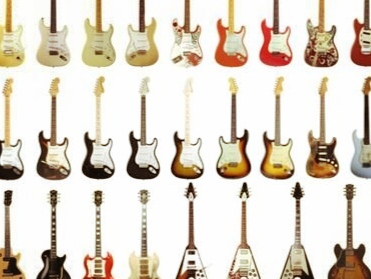
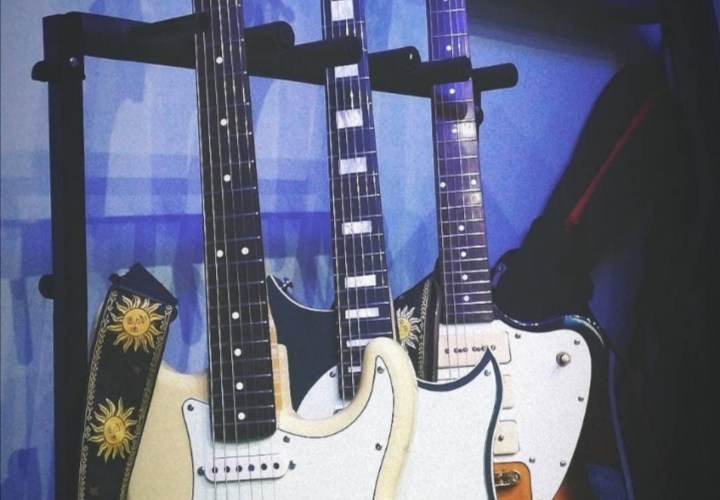
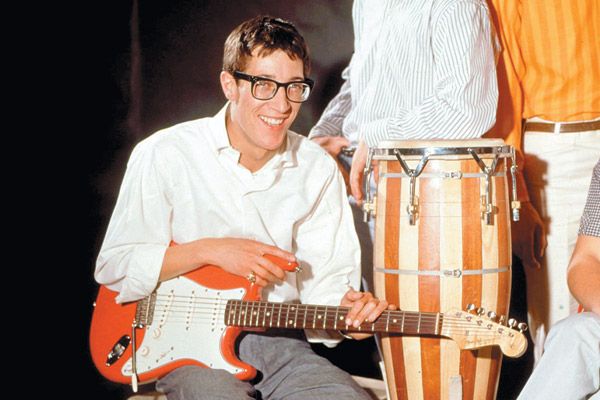
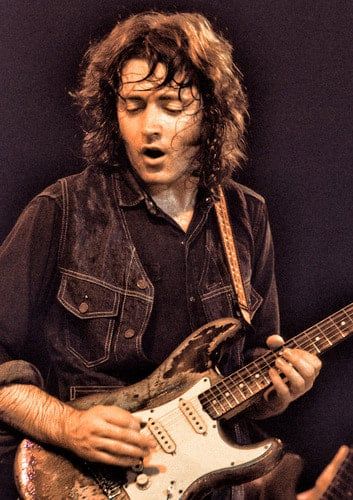
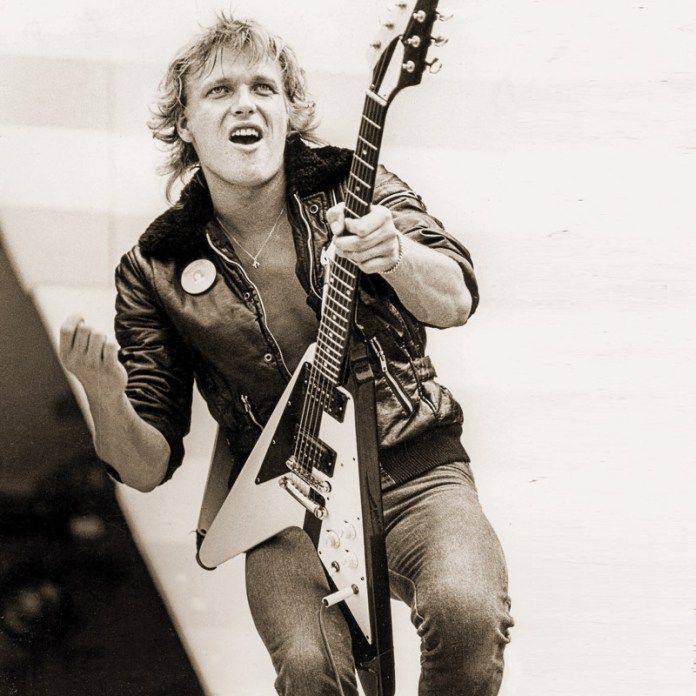
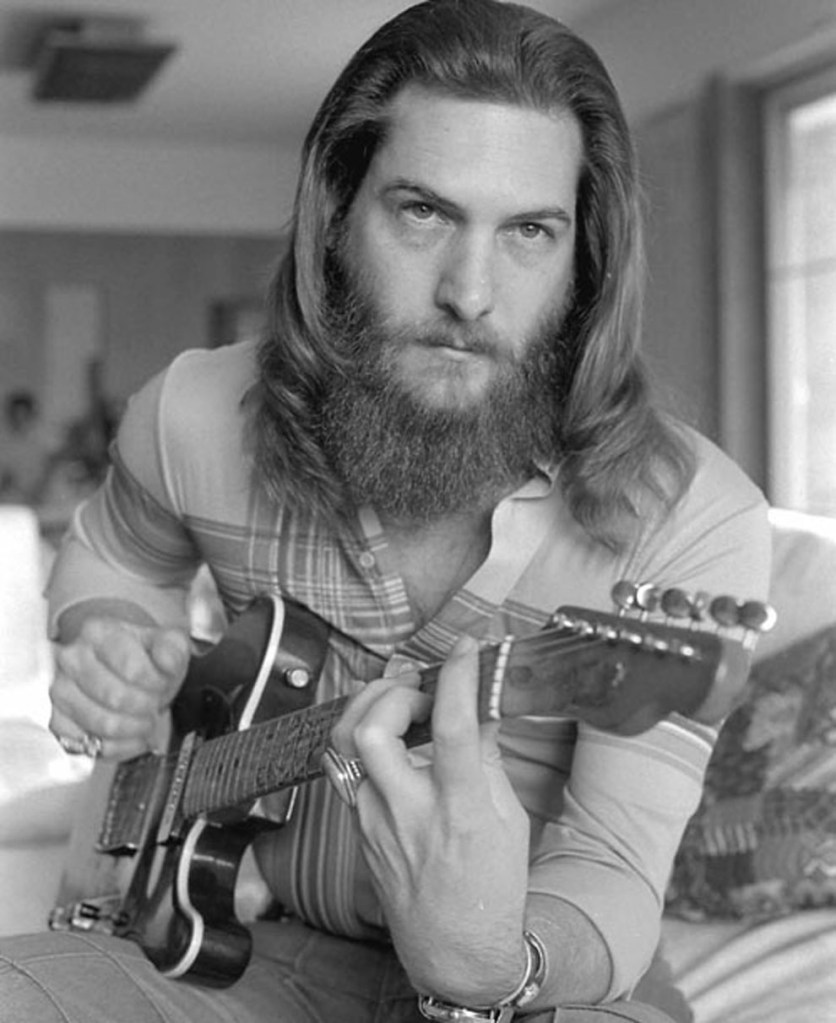
In previous posts, I have asked what the best all-rounder guitar might be. I mentioned various types of guitar, eventually settling on a 335 style guitar such as my Harley Benton HB-35 Plus.
I also praised the Stratocaster, another guitar I have more than one of, in various forms. I certainly mentioned the Telecaster, but when I read the articles back, I feel like I was unfair to the first ever commercially produced electric guitar. Why?
The answer is probably because I have hardly played one in comparison to Strats or other guitars. And while over a dozen Strats have passed through my guitar collection in the last quarter of a century, I have never owned a Telecaster of any kind.
The more I think about it, the more striking that is, especially when considering how many of my favourite guitar players used Teles. These include guitarists from literally every genre you can imagine, including (but not remotely limited to):
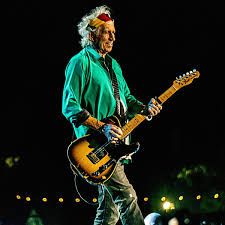
Keith Richards (The Rolling Stones)
Steve Cropper (legendary guitarist on some of the world’s best known soul recordings)
Jimmy Page (who recorded Led Zeppelin’s debut album entirely on a paisley telecaster)
Roy Buchanan (influencial sideman known as ‘the guitarists’ guitarist’s guitarist’)
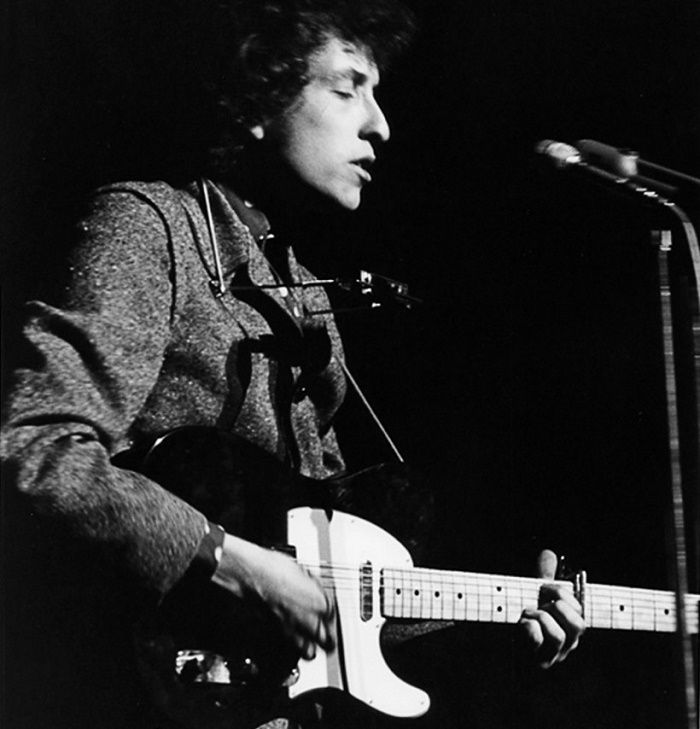
Bob Dylan (who infamously went electric at a folk festival by plugging in a Telecaster)
George Harrison (in the later years of The Beatles, including during their legendary rooftop concert)
Tommy Tedesco (legendary session guitarist)
Bill Frizell, Mike Stern & Julian Lage (amazing Tele-playing jazz guitarists)
James Burton (Elvis Presley)
Bruce Springsteen (The Boss)
Joe Strummer (The Clash)
PJ Harvey (lauded British singer-songwriter)
Andy Summers (The Police)
Graham Coxon (Blur)
Chrissie Hyde (The Pretenders)
Jonny Greenwood (Radiohead)
Rick Parfitt & Francis Rossi (Status Quo)
Muddy Waters & Albert Collins (blues legends)
Mike Campbell (Tom Petty and the Heartbreakers; Fleetwood Mac)
Tom Morello (Rage Against The Machine; Audioslave)
Waylon Jemnings (country legend)
Matt Bellamy (Muse)
Mike Bloomfield (blues & session guitarist who worked with Dylan, among others)
Jeff Buckley (revered singer-songwriter)
Anna Calvin (three times Mercury-nominated artist)
Richie Kotzen (Poison; Mr Big)
Jerry Donahue (insanely talented country-fusion string bender)
Brad Paisley (one of several amazing country guitarists wielding Teles)
…and did you know Hendrix used a Telecaster (borrowed from his bass player, Noel Redding) to record the solo to Purple Haze?
A handful of famous Telecaster players. Clockwise from top left: Bruce Springsteen, PJ Harvey, Bob Dylan, Muddy Waters, Keith Richards, Prince.
It goes without saying that the above list is by no means exhaustive, and also that many of the artists listed above used other guitars. However, the vast majority of them relied on a Telecaster for their most seminal recordings or the bulk of their live work – as have so many others.
So why haven’t I?
I think I started off by buying a Stratocaster as my first proper guitar, and fell in love. I became a Strat Guy, and in many ways, remain one. It’s the guitar in the hands of many of my earliest guitar heroes and was the dream guitar of my teenage years. And as I have said previously, the Stratocaster is an incredibly versatile guitar. But I wonder if this has led me to overlook Telecasters as a result?
Perhaps it’s time to change that. Any recommendations for the best value Telecaster to buy? I’ve a few in mind, but I’d love to hear your thoughts.
And of course, if/when I eventually get to put a Tele through it’s paces, I’ll report back…
Following my last article on the recently passed Herbie Flowers, it felt fitting to return to some of the behind-the-scenes musicians in the next instalment of my (ever-so-intermittent) Great Guitarists series. I have already shone a light on some of my personal favourites, including Steve Cropper and Barney Kessel, and this time I’m focusing on another sideman who played on so many sessions he had the nickname “Mr 2500”, Cornell Dupree (1942-2011).
There’s not many guitarists, even in the session world, whose credits include such a diverse range of artists, from Barbara Streisand and Mariah Carey to jazzers Herbie Mann and Sonny Stitt, as well as rockers Joe Cocker and Ian Hunter.
Born Cornell Luther Dupree Jr in Fort Worth, Texas. His career began in Texas, having decided to learn guitar after seeing Jonny ‘Guitar’ Watson in concert. While playing in local bands, he will have undoubtedly encountered and opened shows for other well-known and respected Texan artists such as T-Bone Walker, Lowell Fulson, Albert Collins, Lightning Hopkins, as well as country stars such as Roger Miller and Ray Price.
In the early 1960s, Dupree was called to New York by saxophone player King Curtis (whom he had known from their days in Fort Worth) to join him in his band The Kingpins. This group were a joined a few years later by a second guitarist – a certain James Marshall Hendrix…
Left to right: King Curtis, Cornell Dupree, and JimiHendrix performing with The Kingpins
In a band without a keys player the two guitarists worked together to fill out the band’s sound; Hendrix quickly taking on soloing duties while Dupree filled out the rhythm section. While Hendrix was dismissed from the band in 1965 (for being too loud, too flashy and often late to gigs), Dupree stayed with King Curtis, both onstage and in the studio, up until the band leader’s death in 1971.
Dupree made is first foray into session work in the mid-sixties, while still in the Kingpins. He spent much of the next decade and a half as a much called upon ember for Atlantic Records’ in-house studio band. In the the 1970s alone, his playing graces the albums of artists such as Aretha Franklin, Grover Washington Jr., Donny Hathaway, Miles Davis, Lulu, Herbie Mann, B.B. King, Freddie King, Billy Cobham, Paul Simon and many, many more.
Atlantic Records producer Jerry Wexler stated (in the liner notes to Dupree’s 1994 solo record Bop’n’Blues) that Dupree’s ability to play lead and rhythm at the same time meant that only one guitarist was required to provide what was needed. Thanks to recommendations from former bandmates such as bassist Chuck Rainey, Dupree soon gained a reputation as the only guitarist a producer might need.
Amongst all this, Dupree not only found time to release over a dozen solo records, but also founded the jazz fusion group Stuff. Stuff were a who’s who of session musicians including bassist Gordon Edwards, Richard Tee on keys and Steve Gadd on drums and fellow session guitarist Eric Gale. Their appearance at the 1976 Montreux Jazz Festival is available as a concert video and LP (see one of the tunes, Stuff’s Stuff, below), showcasing these players at the top of their game.
Stuff live at Montreux, 1976
In later years, Dupree continued to perform despite declining health. He can be seen at the end of the Bill Wither documentary Still Bill playing ‘Grandma’s Hands’ with Withers while using an oxygen tank to aid his breathing. He died in 2011 while waiting for a lung transplant as a result of emphysema.
Playing style
As a soul-based guitar player, much of Dupree’s playing used a clean sound with minimal effects, except for a touch of reverb, in most cases. This allows his playing to shine through without becoming overly dominant in the mix. His style demonstrates that blues and gospel-based pattern of question & answer, where one melodic phase acts as a short opening statement (of less than a bar in length), before being ‘replied to’ by another phrase of similar length.
His choral work makes use of the sort of flickering embellishments familiar to use through Jimi Hendrix making extensive use of them (along with Curtis Mayfield and others). In Dupree’s case, they always feel very tastefully executed, and seem to leave ample space for the artist (usually a vocalist) whom he is backing. In this sense, he is following the golden rule of the sideman: to make the featured artist sound good.
Stuff; the all-session jazz fusion supergroup
An integral part of Dupree’s lead guitar style is his use of sliding sixth to augment and enhance the chords he was soloing over. For those who are unsure about sixths, you can find my explainer on sixths and similar intervals here. Steve Cropper was a big proponent of this technique, and like Dupree, one of the guitarists I kept hearing on soul records time and again, without really knowing who these backing musicians were until I was older and starting to dig deeper into this side of my own guitar playing.
Equipment
Although reported to have started out on a Les Paul, then a Les Paul TV Special (a stripped down, P90-equipped version of the Les Paul), Dupree appears to be mainly pictured with a modified telecaster (another common element he shares with Cropper). He is often shown in older pictures with a white/faded blonde model, with a third DeArmond style pickup added in the middle position. This addition meant the pickguard could not be refitted onto the guitar, so Dupree appears to have filled in the screw holes with rivets. It certainly makes for a distinctive look!
A recreation of Dupree’s long-time telecaster (with added bird artwork not on the original guitar) by Scero Guitars
In 2002, Yamaha made a Cornell Dupree artist model Pacifica, using their telecaster-style ash body with a one piece bolt-on maple neck. This signature model had the same atypical pickup configuration that Dupree had been using for decades on his modded Telecaster. The Pacifica came with a neck humbucker and Seymour Duncan ‘Hot Rails’ in the bridge position, controlled by a three-way switch to toggle between them, but not a rivet to be seen!
Dupree with his Yamaha signature Pacifica
There was also an alnico V single coil in the middle, which could be added to any selection via it’s dedicated on/off switch. I’ve seen this mod on the guitars of a few professionals, particularly those who like to get the most sounds out of just one guitar (something I have written about before). Indeed, I’ve modded a few of my own guitars to ensure a similar level of flexibility and range of sounds (read about some of my mods here).
What can Cornell Dupree teach us?
Dupree was the master of economy of style, never overplaying. I guess that’s one of the reasons he was always asked back to more sessions; he knew how to serve the song. Another factor is his clear professionalism. As with Herbie Flowers, showing up, acting professional, and learning to anticipate the producers needs is a key element to a successful career as a session player.
While his former bandmate Hendrix might be more recognisable, having made a wonderful career on his own terms (and in his own time, it seems), Dupree seemed content to remain slightly off-centre stage. As a result, he had a long and varied career. Indeed, although Hendrix is undoubtedly the more seen, I’d argue that Dupree – thanks to his appearances on thousands of recordings by some of the music’s biggest-selling artists – may actually be the more heard of the two. In my mind, that’s quite the achievement.
I an article earlier this year, I weighed-up which two guitars in my collection would be the ultimate top two – the two I could take along to any gig any be comfortable they would cover (almost) any style of music being played. This is especially useful for me at studio dates, where surprise requests can often occur, and I don’t usually have capacity to take my entire guitar collection along to every session!
In the end, after examining different types of guitar (differentiated largely by their pickups), I concluded that – for me – one of my Stratocasters and a p90-type guitar (in my case this Gould Stormbird) made a winning combination in terms of tones and range of genres. With these two, I could cover everything from jazz and funk to classic rock and noisy indie, and everything in-between.
But what if you could only take one guitar out? Which one would it be?
In the original post, I sang the praises of the 335-type guitar, which only just missed out on making it into the ‘top two’. I love my own 335 copy, but I felt more confident taking a Strat to a gig with multiple (or unknown) genres on the go, mainly because the single-pickup solid body cleans up better, is far less prone to feedback onstage (especially when playing heavier styles), and offers more tonal options. Also, I think the fact that I’ve played Strats since I was sixteen likely played a part in my thought process. I sometimes take a job where I don’t know exactly what I’ll be asked to play until I arrive, so familiarity with an instrument I trust is crucial.
However, I might have been a little unfair to the 335, and feel like I’ve changed my opinion in the last few months. I’ve certainly been using one as my main guitar for 80% of my gigs this year so far, and it performed perfectly at my most recent studio bookings – but would I be happy with it as my only guitar for any gig?
Let’s look at the three types of guitar by pickup type again, with a summary of what I use them for, as well as a few examples of where I use them professionally.
Single-coil solid body guitars (Strat, Tele, Danelectro, etc)
Classic guitar tones – bright and clear with lots of twang or spank to their sound Sound great overdriven, but retain some of their original character Sit well in a mix with other instruments/guitars Reliable, solid instruments which are easy to mod Perfect for: pop, funk, country, blues, rock, indie Can be noisy, especially in high-gain settings
P90 solid body guitars (Stormbird, Some PRS models, some Teles, etc)
Beefed-up version of a classic single-coil sound Beautifully warm, yet still clear, distorted sound Great ‘best of both worlds’ between a single-coil and humbucking pickup Covers most styles (but volume has to be rolled back slightly for cleaner sounds) Can be very noisy in certain settings
Humbucker solid body guitars (Les Paul, SG, PRS)
The classic overdriven guitar sound, warm but aggressive Warm, full sound for jazz (with the volume rolled back a little) Perfect for: Rock of all types, jazz and blues Not as good as single-coils for those iconic glassy clean sounds
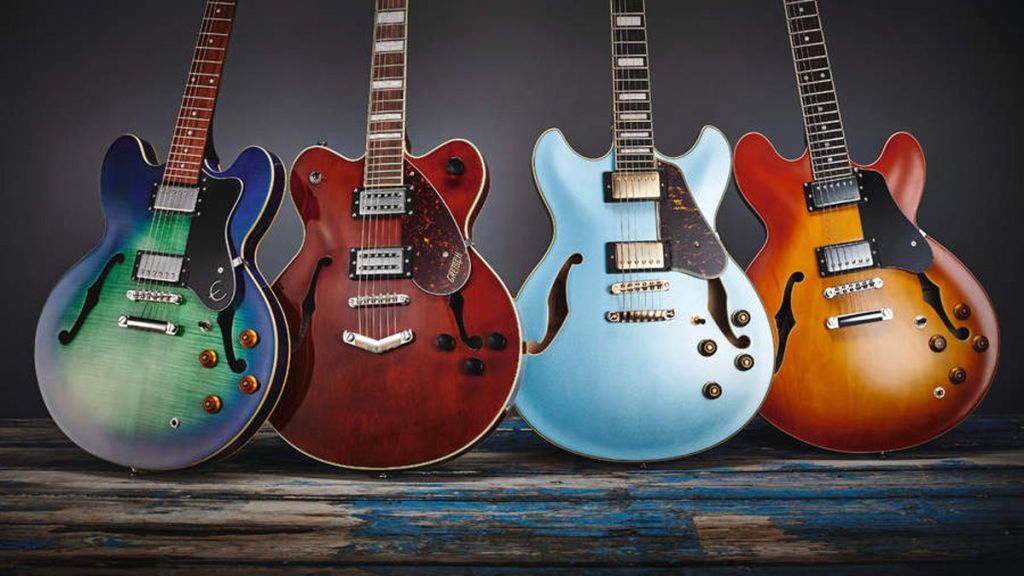
A humbucking guitar with a slightly airier sound Lighter than a Les Paul (to save your poor back!) Capable to playing most styles imaginable Perfect for: jazz, funk, soul, blues, classic rock Neck & Bridge pickups together gives a wonderful funk tone Prone to feedback onstage, especially in higher-gain settings
Picture credit: Music Radar
Final thoughts
Which would I choose? I still couldn’t say for certain. It depends so much on the gig in question, but if I wasn’t sure what I was going to asked to play, I expect it would be the Strat or the 335 I’d be reaching for. I guess it comes down to a choice between a solid body or (semi) hollow bodied guitar; whether I’m seeking the thicker snap of the Strat, or the airier sound of the 335.
And of course, bear in mind that we’ve only been discussing electric guitar options here – if I was really unsure about the requirements for a studio date, I’d have an acoustic packed into the car too!
But what about you? Obviously, what works for me doesn’t necessarily work for everyone, which is why I’d love to hear your thoughts – get in touch!
When looking up reviews if new guitars, I often come across the acronym GAS, or Gear Acquisition Syndrome. This humorous shorthand phrase sums up the seemingly inante drive in many guitarists to buy more equipment, from amps and effects pedals to, of course, guitars.
But how many guitars do we really need? Can one setup (be that one guitar, plus a backup, or two guitars used equally) be used in a wide variety of styles and genres?
For many guitarists working in more than one band, this feels like an impossible question – perhaps only slightly easier to answer than asking what one guitar would easily cover all bases for every type of gig you play?
Let’s work on the assumption that most players cross genres in one way or another, and begin with a few opening questions…
How many different genres do you play? And how varied are they?
If you only play one style of rock, metal or punk, then this might be quite simple. Similarly, if you rarely stray out of jazz or soul, you likely have couple of guitars which provide all the sounds and textures you are looking for, and fit the sound of your groups quite well. But what if you’re expected to hop from one extreme to another on different gigs – or even (such as some cruise ship or theatre pit musician gigs) in the course of one gig? Do your guitars cover as many options as possible?
Which guitars in your collection are the most practical?
For most of us, stage space is at a premium, so it’s unreasonable (and widely impractical) to bring four or five guitars to an average show.
Most of the working musicians I know (myself included) soon find themselves reaching for the same two or three guitars in their armoury, confident that these instruments deliver the goods time and again at any gig they bring it to. These instruments are usually well set up and hold their tune reliably, and are often not the most expensive or luxurious instrument option. As lovely as that vintage jazz hollow-body from the 1930s is, it only really does one sound well, and the rest of the time would be sitting there waiting to get knocked over and damaged beyond repair! (it probably feeds back like no one’s business in a live setting, too!)
To sum up, a few questions to consider…
Could this guitar play an entire show?
Is it reliable & comfortable enough to play for long periods of time?
Am I crippled with fear of it getting damaged?
These are the factors we have consider in making a choice such as this. Now let’s look at some of the obvious contenders…
Single-coil guitars (e.g., Stratocaster or Telecaster)
Generally the lowest output pickups (although there’s a world of variations out there), single-coils have been fitted as standard on Fender Stratocasters and Telecasters since they first appeared on the market in the early 1950s. Played clean, these have a wonderful clear sound, and with a little push from the amp or overdrive pedals, breakup beautifully. They aren’t best suited to heavier styles of music, but they perform brilliantly in almost everything else. Think of Buddy Holly and Hank Marvin inspiring millions of future guitar players with the original Strats, as well as the countless players who pushed the instrument beyond expectations such as Jimi Hendrix. For blues, look at Buddy Guy’s searing attack or Stevie Ray Vaughn’s much-too-imitated blues sound (pushing the neck pickup of his Strats through a Tubescreamer pedal)…
Some of the Strat players who have left a significant influence on how we approach the electric guitar. All of them finding their unique voice on the same instrument (Clockwise from top right: Hank Marvin, Buddy Guy, Nile Rogers, Stevie Ray Vaughan, Mark Knopfler, Rory Gallagher, Jimi Hendrix, Buddy Holly)
Telecasters have had a similarly lasting effect on music history, from the early country musicians and Dylan ‘going electric’ with one in 1965, to it’s emergence as a reliable solid body jazz instrument and the soulful stylings of Stax and Blues Brothers legend Steve Cropper. And let’s not forget that the Telecaster was often the unsung hero in the studio, used on more sessions and hit records than you might imagine – Jimmy Page used one to record pretty much all of Led Zeppelin’s debut album!
Of course, there are far more than Strats and Teles in the world of single-coil guitars. Danelectro make use of their unique ‘lipstick’ pickups, as well as all the weird and wonderful guitars which came out of Japan and Eastern Europe during the 1960s and 1970s. But the guitars made by Fender were by far the market leaders this area, and even if it’s not a Strat or Tele on that record you love, if it’s a single-coil sound, it’s most likely inspired by one.
I’ve been a Stratocaster player since I was sixteen years old, using them for everything from funk & soul to classic rock, with loads of blues and indie-rock in-between. It’s hard to keep count, but I’ve probably had at least ten different Strats in my possession (not all at the same time, I hasten to add!), and I keep coming back to them for a number of reasons, but that clear single-coil sound is chief amongst them.
Both of my current Strats are fitted with alnico iii (3) magnets, like the very first Strats produced in 1954 (although they soon switched to Alnico V and have stuck with them ever since). The 3’s are slightly lower output and vintage sounding, breaking up nicely through a slightly driven amp, and still retaining crisp clarity when paired with a classic Marshall overdrive sound. One of them (the orange one, above right) also features a button to engage the neck and bridge pickups at the same time, giving me the so-called Tele mod, and allowing me the sounds of both guitars in one. A lot of my function gigs in recent have involved numerous switches in musical style, and these two guitars do a great job of handing whatever I throw at them.
Humbucking guitars (e.g., Les Paul, SG, 335)
Humbuckers are, in essence, two single-coils wound together. The two magnets combined create a higher output sound, and their opposing polarity cancels out the 60-cycle hum which occurs in single-magnet pickups, hence the name hum-bucker. These two factors make humbuckers ideal for heaver guitar sounds, from classic rock to metal and beyond. The original humbuckers tended o sound a little ‘dark’ at lower gain settings, but this (along with their inherent noise-cancelling properties) made them an ideal choice for jazz guitarists, and they remain so to this day.
Examples of different guitarists who have used humbucking guitars in a wide array of genres, from jazz & blues to metal & avant-garde (Clockwise from top right: BB King, Frank Zappa, Michael Schenker, Billy Gibbons, Peter Green, Wes Montgomery)
Semi-hollow guitars (such as the 335 style Harley Benton, below left) offer a great hybrid for playing jazz, funk and soul, as well as dirtier blues, rock, pop and indie.
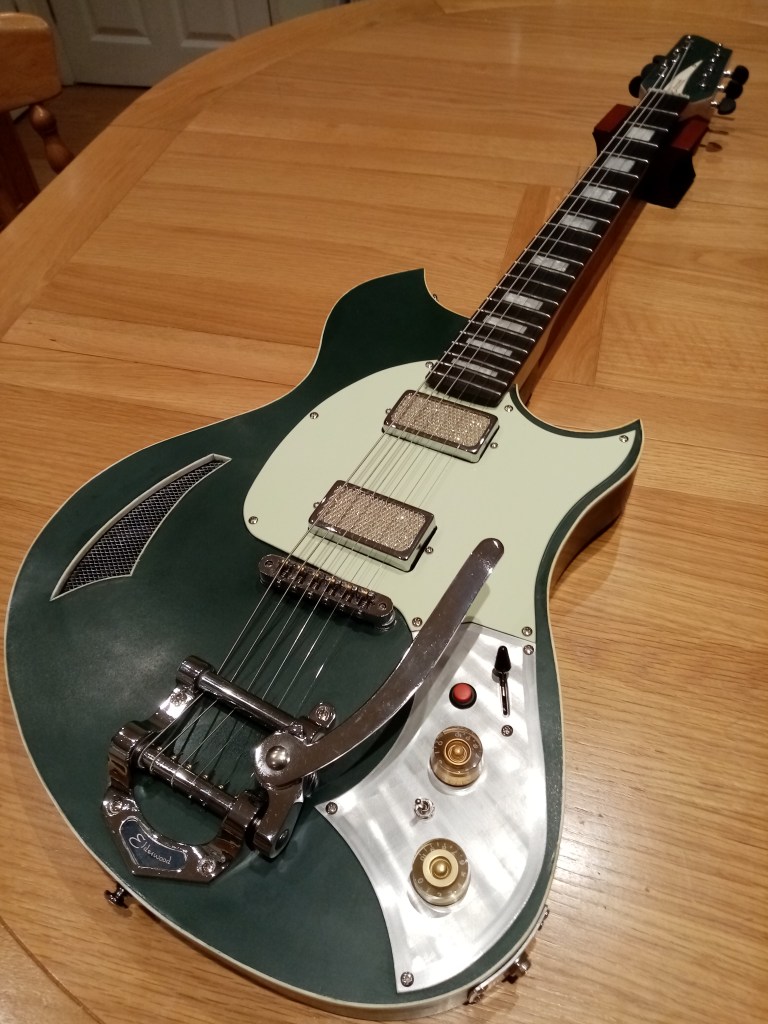
Both of my humbucker-equipped guitars (the Harley Benton and my custom Elderwood, above right), have the option to split the coils, giving a single-coil sound when needed. This is a really useful option, although the split sound is a little too ‘thin’ sounding to use too often; sometimes it’s better to wind back the volume slight on a full humbucker, or find a pickup that’s a good halfway point between a single-coil and humbuckng pickup…
P90 guitars
P90s sit somewhere between the clarity of a single-coil and the power of a humbucker, meaning that they can be a useful cover-all option for gigs that require both heavier and gentler sounds. With careful listening and judicious use of the volume control, you should have the full gamut of sounds available. It’s also worth noting that quite a lot of the classic pop & rock music you love was in fact recorded with p90-equiped guitars – although that’s a story for another time…
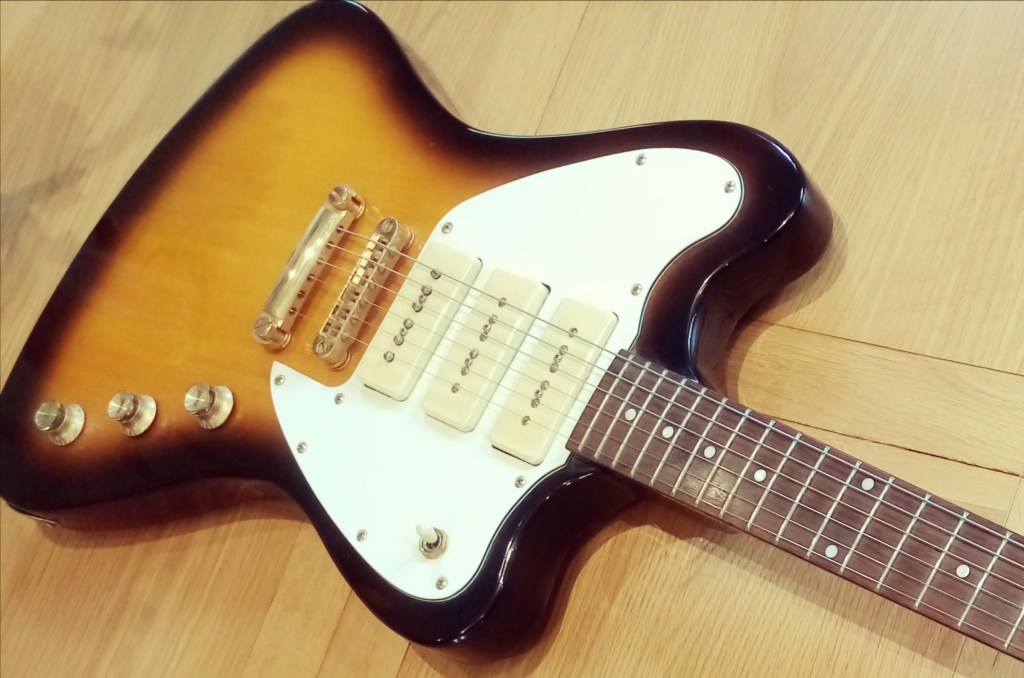
I have a triple p90 Gould Stormbird (a copy of a non-reverse Firebird with Entwhistle pickup) which acts as my main guitar for one of my original projects (dirty psychedelic funk), as well as the backup to my Strats and humbucking guitars, at a range of shows. These pickups clean up wonderfully and can produce enough grit for the styles of music I regularly play.
Gould Stormbird, based on a Gibson non-reverse Firebird, with three p90 pickups
One of the main drawbacks to a p90 is that they can be quite noisy, even more so than with single-coil pickups, due to their increased output. This is especially apparent in venues with lots of mixed lighting circuits (such as stage lights with timers and dimmers), so you have to be ready to mute your sound between songs. Is it worth it? In my opinion, yes. I currently only have one p90 guitar, and it’s become so essential to my rig that I need to look at getting another p90 guitar to act as a spare in case anything goes wrong with this one…
So what are my ultimate two?
Let me start by saying I think every guitarist should at least try out a 335-style guitar. They are incredibly versatile and comfortable instruments, capable of covering a wide range of bases. If I was ever in the position where I could only take one guitar to a session (be it live or in the studio), I think a 335 (or in my case, the HB-35 Plus) would be my safest bet.
However, in terms of covering the most styles possible while remaining comfortable and reliable, I would choose one of my Strats and the p90-loaded Gould. Between these two guitars, I can go from clean to quite heavy, with a high degree of note clarity, and little (if any) risk of onstage feedback. Both axes are well built and well setup solid bodied instruments that rarely present any issues while working. Although I’m sure I’d find myself missing the 335 before too long…
Final thoughts
Of course, these are my opinions, based on my own experience and current work. As always, I’d love to hear from you – what two guitars would you take out as your cover-all-bases setup?
The Great Guitarists series is back, and we’re restarting with one of my all-time favourite guitar Players, Steve ‘The Colonel’ Cropper.
Even if you don’t recognise the name from the cult classic musical comedy The Blues Brothers, you will have heard Cropper’s songs and guitar playing on countless records, playing alongside some of the greatest soul singers of the 20th century.
Steve Cropper with his favoured guitar, the Fender Telecaster.
Cropper was as a member of Brooker T & the MGs, who also included Al Jackson Jr. on drums, Brooker T himself on organ & piano, and Cropper’s childhood friend Donald ‘Duck’ Dunn on bass (Dunn was also featured in The Blues Brothers). The group had hits with instrumental tracks such as Green Onions and Soul Limbo (the one used as the BBC’s theme music for their Cricket coverage).
Brooker T & The MGs (left to right: Al Jackson Jr, Steve Cropper, Brooker T & Donald Dunn).
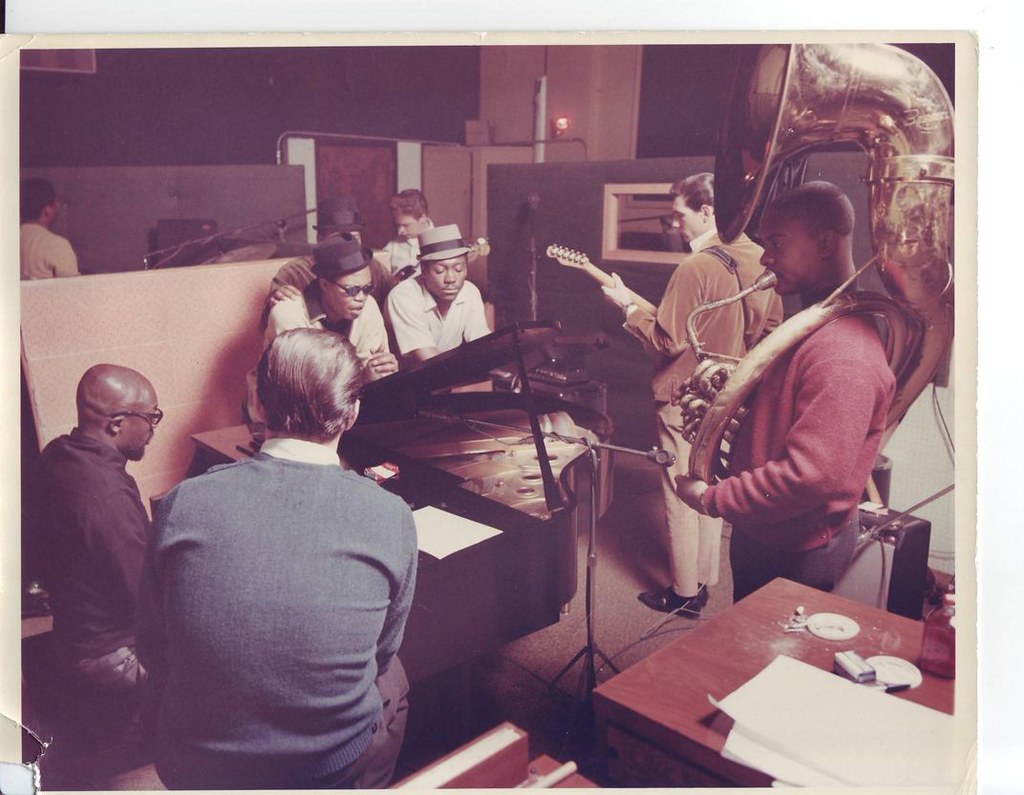
The MGs were also the core in-studio ‘house band’ at Stax Records, Memphis, providing the backing (and often creating the arrangements) for virtually all of their recordings from the mid-sixties to the early seventies. All those hits you know by Otis Redding, Sam & Dave, Eddie Floyd and countless others? The MGs, with Steve, are in all of them…
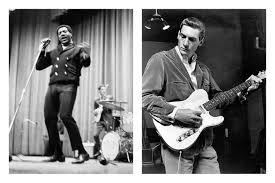
Clockwise from top left: Cropper onstage with Otis Redding; Cropper with his white Tele;In the studio with Sam & Dave; and with Aretha Franklin.
As if that wasn’t enough, Cropper also co-wrote In the Midnight Hour with Wilson Pickett, Knock on Wood with Eddie Floyd and (Sittin’ on) The Dock of the Bay, the famous posthumous hit for Otis Redding. Some of these records were also co-produced by Cropper.
After leaving Stax, Cropper went on to play on Ringo Starr’s and John Lennon’s solo records, as well as produce albums for other artists, notably the Blues guitar legend Albert King. Then, in the late seventies, he was recruited into the Blues Brothers, the act for which he might be best recognised.
The Blues Brothers released two albums, two feature films (both of which included soundtrack albums) and embarked on a handful of tours between the late seventies and the early 2000s. Their influence on bringing rhythm & blues to a wider audience cannot be understated, not least by introducing a new generation of moviegoers and listeners to artists such as John Lee Hooker, Ray Charles, Sam & Dave and many more. Yet even in a band comprising a veritable who’s who of soul musicians, Cropper still stands out.
Cropper (left) with The Blues Brothers Band.
In most of these settings, Cropper is welding a Fender Telecaster or (more recently) Telecaster-like models, such as his Peavy signature model from the late 90s. His playing – and the guitars he played on – provide a full, but not dominating, sound. From simple but effective chord work, to riffs that often doubles up against bass lines, his style of Memphis Soul remains highly imitated. In his lead work, his frequent use of sixths (read more about these here) can be heard to great effect on the intro to Sam & Dave’s hit Soul Man.
Pick up any classic cut from the Stax label from the mid to late sixties and Cropper is probably on there. Then of course, there is the soundtrack to The Blues Brothers. There are even complications of Cropper’s best-known work available. It doesn’t take much work to find him!
In all cases, listen carefully to his rhythm choice, and note how he leaves space for the singer and other instrumentalists. As for solos, he could certainly play good ones when he needed to but only when they were necessary.
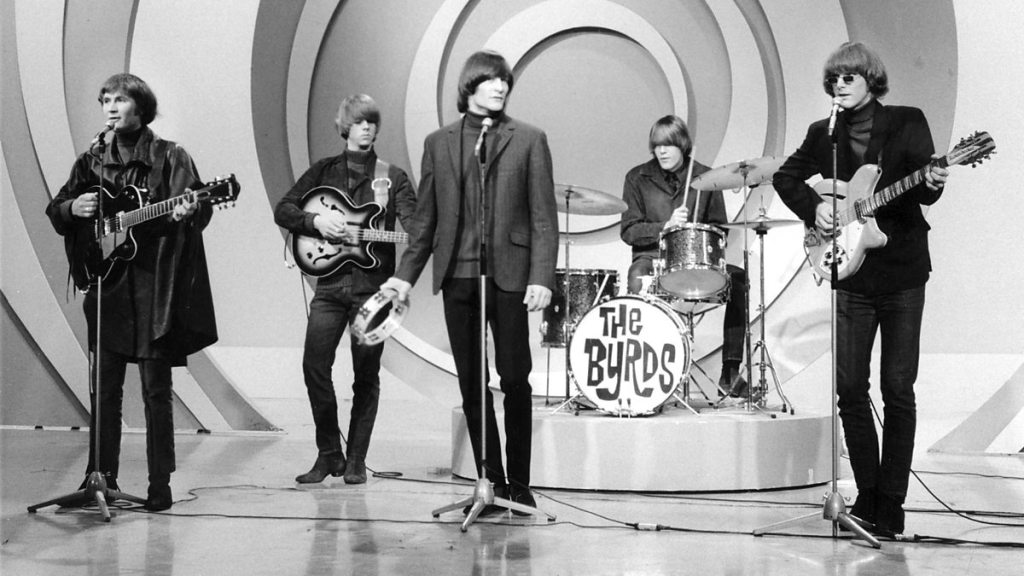
A group best known for their cover of Bob Dylan’s Mr Tambourine Man, but which created a ripple which ran further and deeper through popular music than you might realise. From famous alumni to mechanical innovations for country & western guitar music, here’s a small token of praise for folk rock pioneers, The Byrds.
Originally formed in early 1964 as The Jet Set, a trio of singer-guitar players Jim (later known as Roger) McGuinn, Gene Clark and David Crosby, they soon augmented their line-up with Chris Hillman (bass/mandolin/vocals) and Michael Clarke (drums, and apparently hired on the strength of his excellent Brian Jones style haircut). They set out to meld the influence of British Invasion bands, most notably The Beatles, with traditional folk music in what was a unique new sound at the time.
In particular, the Fab Four was the inspiration behind McGuinn playing the Rickenbacker 360 12-string guitars that played a large part in the sound of their early records. A lot of the ‘jangly’ guitar music you hear in later bands – particularly the indie acts of the 80s and Britpop bands of the 90s – owe as much of a debt to The Byrds as they do to The Beatles.
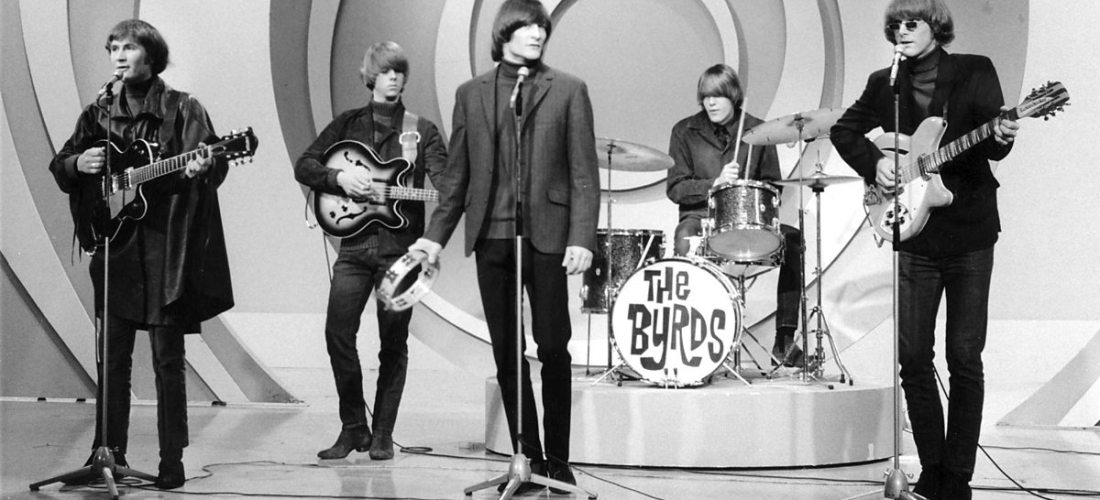
The Byrds live on the BBC (left) and an early photoshoot (right).
They played ‘electric folk’ before Dylan (sort of)
Their first single was a cover of Bob Dylan’s Mr Tambourine Man, which they recorded before Dylan’s original acoustic version was released as part of his album Bringing It All Back Home in March 1965. Interestingly, although this album marked the first time Dylan used a backing band and electrified instrumentation (on side one), his original version of Mr Tambourine Man is in his (at the time) traditional style of solo guitar and harmonica to accompany his vocals (as part of the all-acoustic side two). The Byrds’ version was finally released a month later, reaching number one on both the British and US charts.
This release was still a good two months prior to Dylan’s infamous appearance with a ‘rock’ band and playing electric guitars at the Newport Folk Festival in July 1965. Dylan was friendly with the group and had got up on stage to jam with them at the start of year, undoubtedly helping their reputation beyond the folk scene before they’d released any records. It seems clear to me that both acts were part of a change to folk music that was happening at the time, and it’s fair to say they had a degree of influence on each other. The Byrds certainly covered a lot of Dylan songs on their debut album (also named Mr Tambourine Man, released in June 1965).
They went beyond folk rock
By the end of 1965, The Byrds had already begun to include more psychedelic influence in their songs. Most notably, Eight Miles High features guitar playing by McGuinn which was intended to emulate the playing of John Coltrane’s Impressions album, particularly the opening track India, in which Coltrane was seeking to recreate the raga lines of Indian performers such as Ravi Shankar.
Within less than two years of their formation, their line-up had started to change. As well as the raga-styled influences, The Byrds sound incorporated jazz, psychedelia and an increasing amount of country & western influences. By the end of their time together as a band (circa 1973), The Byrds’ sound was more representative of early country rock than their original folk sound.
Impressive alumni
Many members of he Byrds went on to form well known groups. David Crosby was dismissed from the band in 1967, for a variety of reasons (clashing egos with is bandmates seemingly chief amongst them). The following year, he formed the supergroup Crosby, Stills & Nash with Graham Nash (from the British pop group The Hollies) and Steven Still (from Canadian band Buffalo Springfield). By their second album, they had been joined by Stills’ former bandmate Neil Young, prompting a name change/extension to Crosby, Stills, Nash & Young. Although their time together has been intermittent and varied, their earl albums produced highly popular hits, and their vocal harmonies have been highly influential on countless performers ever since.
Crosby, Stills Nash & Young performing live (top left); Gram Parsons (top right); Roger McGuinn, post-Byrds (main image).
Later members of the Byrds included Gram Parsons, another pioneer of country rock and Americana (and also notorious for the theft f his corpse and it’s unusual cremation after his untimely death in 1973). Members of The Byrds also went on (with Parsons) to form another influential country rock band, The Flying Burrito Brothers. Roger McGuinn continued as a solo performer, including collaborations with Dylan in the seventies, and has reformed The Byrds in various guises, largely for reunion tours) across the decades.
Two former members created a brand new guitar system
Clarence White, a highly respected bluegrass player and session guitarist, joined The Byrds in 1968. Also joining him was Gene Parsons (no relation to Gram), who ad previously performed with White in the country rock group Nashville West. Sometime between these two groups, White and Parsons discussed ways to simulate the sound of a pedal steel (which uses pedals to alter the pitches of some strings, similar to a harp) on the guitar. Parsons set out devising a system that would enable White to achieve what he was looking for.
Original patent design for the Parsons/White String Bender.
Parsons’ design involved adding a pulley system onto the strap button closest to the guitar’s neck, meaning that when the guitar is pulled downwards (away from the head of the player), a the pressure on the strap moved a lever which, in turn, raised one or more strings on the bridge of the guitar. As unwieldy as that sounds, the result was exactly what White was looking for, and Parsons later went into business selling these devises as retro-fits, usually onto Telecasters, like White’s original model. The design was originally licenced to Fender in the early seventies, and though they didn’t do anything with it originally they have since released their own special model of B-bender Telecaster guitars in recent decades. The B-bender guitar has become a poplar tool in country and country rock music, with guitarists such as Brad Paisley using them to amazing effect.
Here’s Parsons discussing his invention as part of a documentary on The Byrds:
I’d heard of the B-bender before, but it was only when reading an article about The Byrds a few months ago that I learned it was one of their drummers who invented it to help his bandmate out! It certainly demonstrates the lasting legacy of the band on modern country music.
This is in no way a definitive history of the band. There are numerous biographies out there that those interested in learning more about this group should seek out (an in all likelihood, probably already have). This brief overview (much like my previous article on The Animals) merely serves to show how some performers – of whom most people might only recognise less than a handful of songs – can influence the musicians you know and music you hear i ways you might not expect, and often without you realising it.
Can you think of any other bands that might have had a similar far-reaching effect as inventing a new kind of country guitar, or bringing Jimi Hendrix to wider recognition (see: The Animals)? Please let me know, as it may well end up in a future article! Since I have covered an A and a B band, perhaps new suggestions could follow on in this (unintentional) alphabetic format? Get in touch!
You must be logged in to post a comment.