
A few years ago, I was hired to perform (quite specifically) Spanish guitar music at a wedding service. Amongst other choices was Leyenda (meaning ‘legend’). Originally written by Spanish composer Isaac Albêniz (1860-1909) for piano, but transcribed for guitar within Albêniz’s lifetime, Leyenda is one of the more well-known pieces in the classical guitar repertoire.

Typically, the opening section is played quite fast. Sometimes this makes it feel like an exercise in machismo by the performer, who may be working on the assumption that faster = more impressive to listen to.
However, the most famous transcription of this piece is by Andrés Segovia. Segovia is considered the Godfather of modern classical guitar, having mentored several well-known players in the generation that followed (including Australian guitarist John Williams and the UK’s own Julian Bream). Brazillian composer Heitor Villa-Lobos dedicated his Etudes for Classical Guitar (1929) to Segovia, whom he had kept in mind while composing them. Segovia had similar close working relationships with several other 20th Century composers, such as Federico Moreno Torroba, Mario Castelnuovo-Tedesco and Joaquin Rodrigo, and his transcriptions of certain works originally written for other instruments have become the standard in how they should be performed on guitar.
Hear the great man himself performing Leyenda on this YouTube video. You may notice that Segovia’s interpretation is slower than you might hear on most other recorded versions of this piece.
I’ve had some pretty interesting discussions with guitarists in the last few weeks and months regarding artistic interpretation. In almost all of these chats, the focus has been on the interpretation of the performer. However, what we hadn’t considered is the interpretation of the arranger. When I say arranger, I mean one who transcribes music for other musicians to perform, rather than a player making interpretive changes solely for their own performance.

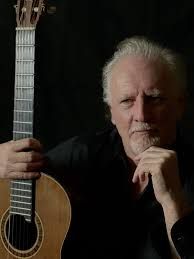
Composer & arranger Stanley Yates created a new arrangement of Leyenda, which is still available to download for free via this link to his website. This version differs more from Segovia’s than you might expect. The chief differences for me are the absence of sixteenth triplets in the opening section, which was Segovia’s invention (be honest, how many of you knew that?!) and a few differences to the interval of certain ‘grace notes’.
The source for Yates’ arrangement is the original published piano work. He argues that he has attempted to stay true to the original piece without being pressured by the subsequent traditions of this piece which have grown over the last century. It is worth checking Yates’ arrangement out in order to see these differences for yourself and experience a piece many classical guitarists thought they knew intimately in a rather different light.
Interpretation, whether it is that of an arranger or the in-the-moment feelings of the performer, is key to making music more than mere sounding out notes written down by someone else. It plays a large part in how an audience experiences the piece; even subtle changes to a performance can alter how the listener might feel in response. I’ve long been fascinated with interpretation as a subject, and note with a small degree of frustration that it remains a factor of performance that often goes overlooked, sometimes by guitarists who really should know better.
This brief examination of Leyenda is but one example from which we can learn the importance of interpretation. I believe that neglecting to give it the consideration it deserves might end up becoming something which hinders your growth as a musician. Make of that what you will.
Art is life’s dream interpretation
– Otto Rank (psychoanalyst & philosopher)

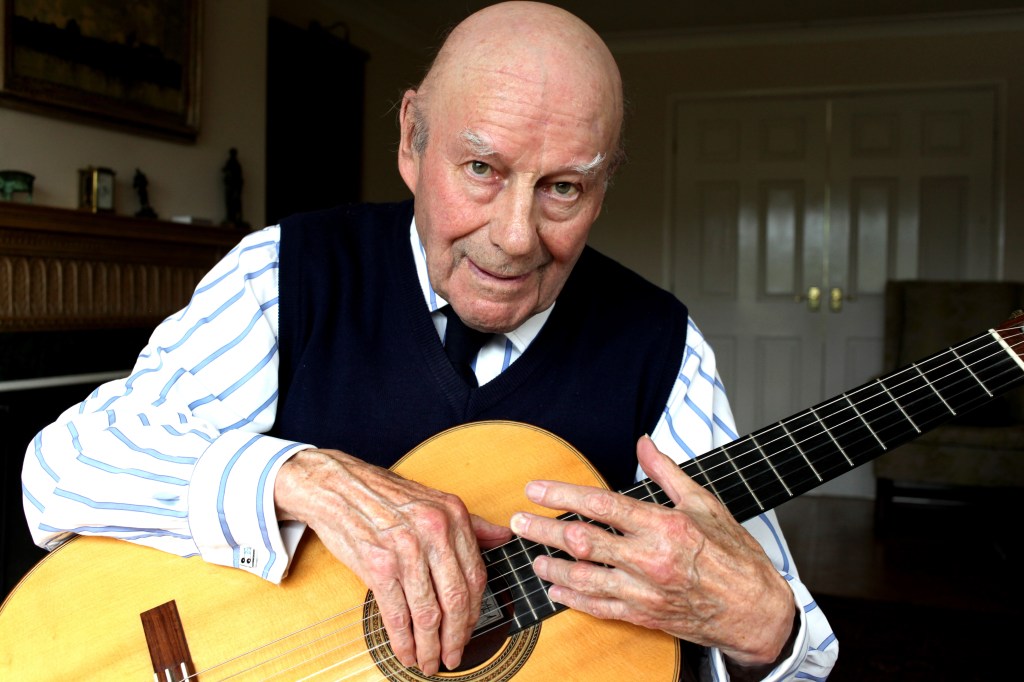

 Tim Higgins, Guitarist
You must be logged in to post a comment.