Great Guitarists #16: Freddie King

Great Guitarists

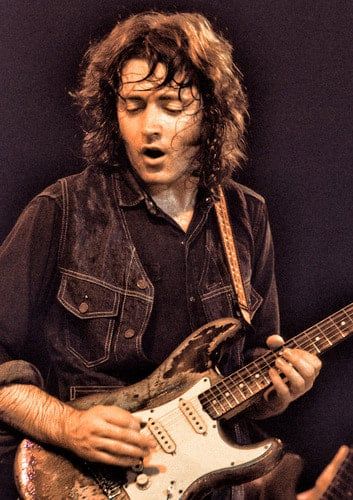
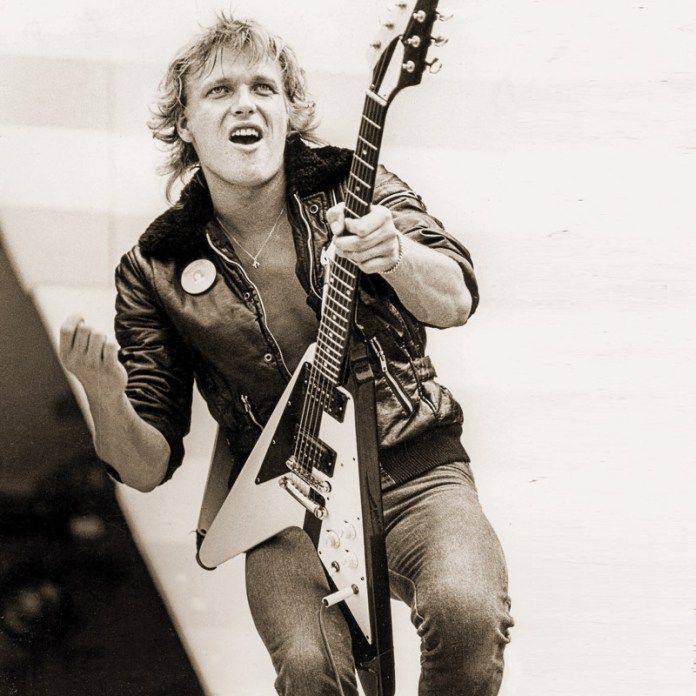
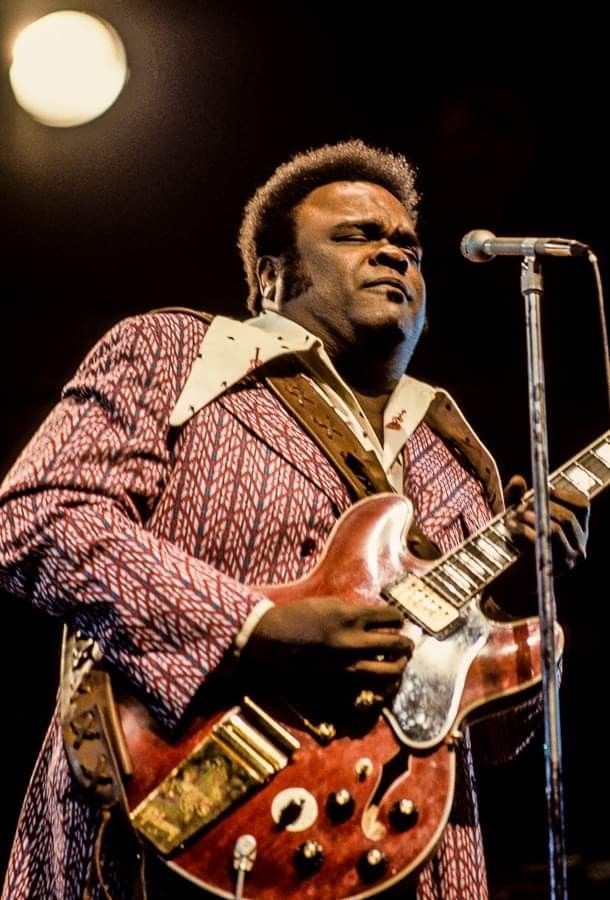
The last of the ‘Three Kings of the Blues’, showing just as much influence on the guitar world as Albert King and BB King, is the youngest of the three guitarists, Freddie King.

Known for his biting tone and crossover appeal, King was one of the electric blue guitar players who influenced the young musicians in the UK. These guitarists (such as Eric Clapton and Peter Green) went on to form the bands of the British Invasion of the 1960s – bringing King’s sound back to the US and eventually raising his profile.

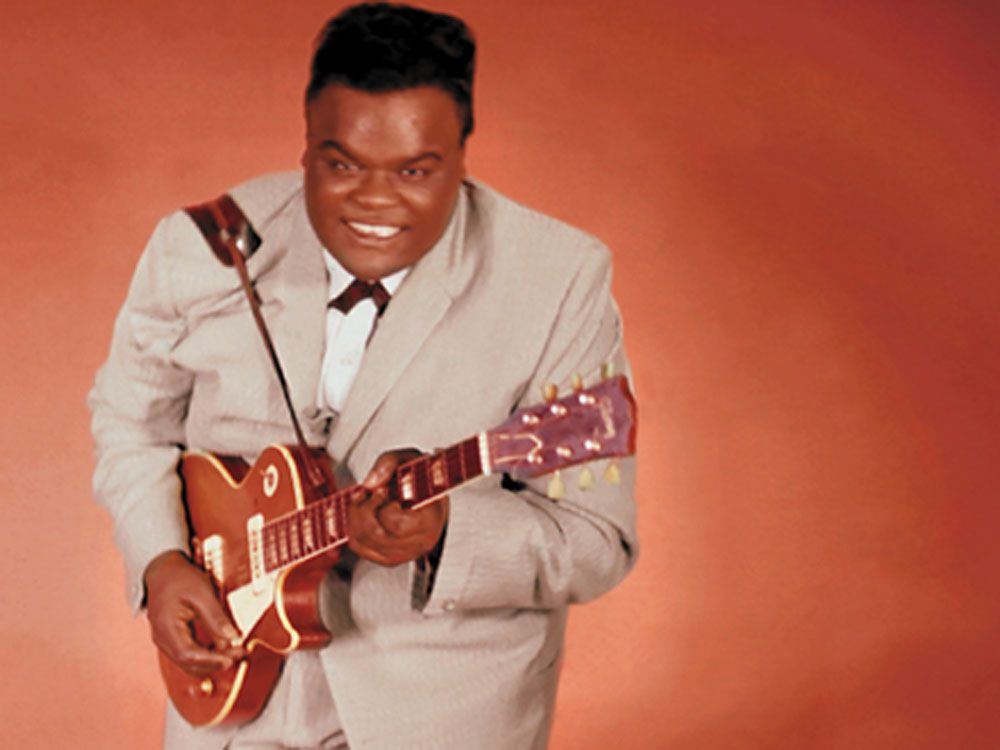
Fred King was born in Texas in 1934 and began learning the guitar from his mother and uncle when he was only six years old. His family moved to the South Side of Chicago when he was fifteen, and he was soon sneaking into the nightclubs to hear the music of the original blues guitarists such as Muddy Waters, Elmore James, T-Bone Walker, as well as other bluesmen like Howlin’ Wolf and Sonny Boy Williamson. King was soon performing with his own band and by the time he was eighteen, he acted as a sideman to some of the better-known performers on the Chicago blue scene, such as Little Walter, Jimmy Rogers, Willie Dixon and Memphis Slim.

Despite his apparent guitar talent on he Chicago live blues circuit, King’s initial initial attempts at recordings were either unsuccessful or unreleased altogether, He was also turned down more than once by the city’s now-legendary Chess Records label, allegedly because he singing voice resembled B.B. King too closely. Nevertheless, King proved a popular mainstay on the emerging West Side clubs of Chicago.
Finding success

King eventually signed to Federal Records in 1960 recording his first session for the label in August of the same year. The results of this session yielded King’s first single, Have You Ever Loved a Woman, which charted in the Billboard top 100. From the same session came one of King’s best-known instrumental tracks, Hide Away. Hide Away managed to reach no. 29 in the US pop music charts, an unprecedented feat for a blues record at a time when the genre was still relatively unknown to white audiences. Eric Clapton later brought the song to an even wider audience when he recorded his version as part of John Mayall and The Bluesbreakers in 1966.

King released a steady stream of albums throughout the sixties and early seventies. Sadly, a hard-partying lifestyle, coupled with a relentless touring schedule, led to King’s untimely death in 1976, aged just 42.

Influence

King is one of the notable influences on Clapton’s playing. His style is considered a mix of Texas and West Side Chicago blues, with added nuances to make his guitar solos feel more like vocal lines. Clapton once described playing alongside King as a player who could hide his ‘mean’ lead style under a veneer of subtlety, saying “He’d make you feel at home, and then tear you to pieces” in a ‘cutting contest’ (a friendly guitar duel, usually between two players who greatly respect each other).

As well as Clapton and Peter Green (founding member of Fleetwood Mac), King’s influence can be heard in the playing of Jeff Beck, Mick Taylor (of the Rolling Stones from 1969-74), Lonnie Mack, Stevie Ray Vaughan and Jerry Garcia (Grateful Dead), to name just a few.

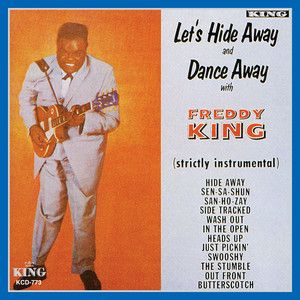
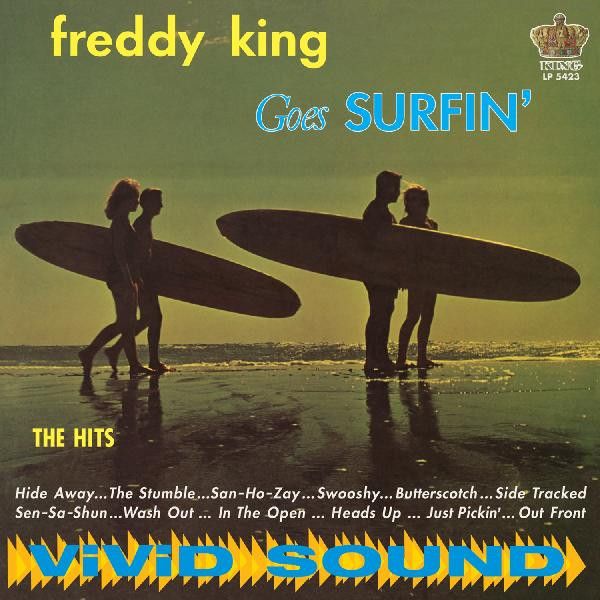
Many of King’s early instrumentals, such as Hideaway, became popular with surf bands in the early 1960s. This popularity was strong enough for his 1961 instrumental album, Let’s Hide Away and Dance Away with Freddy King, to be re-released two years later under the new title Freddy King Goes Surfin’.
Equipment

King used a gold top Gibson Les Paul equipped with P90 pickups in his early recordings, but moved to semi-hollow electrics such as the ES-335 and ES-345 (both by Gibson) later in his career. His bright tone largely came from his simultaneous use of a plastic thumb pick and metal finger pick on his index finger (more commonly used by pedal steel players) coupled with a strong attack in his playing and an amplifier (such as a Fender Quad Reverb) cranked up as loud as it could go.

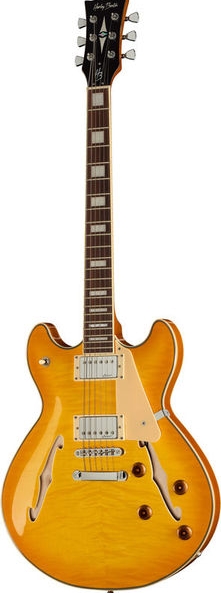
Any semi-hollow (including more budget-friendly options such as this Harley Benton HB35 Plus) or P90 style guitar will help you get in the ballpark for King’s tone, but in theory, even a single-coil guitar with a treble boost (or mild use of overdrive to thicken one’s sound) should get you there. Just be sure to stick to the bridge pickup and really dig in with your right hand. The most important thing is to play like you meant it!

Recommended listening

We’ve already mentioned Let’s Hide Away and Dance Away with Freddy King (1961), which features many of the instrumentals for which King became well-known. This is the obvious starting point for first getting into Freddie King, much as it was for those guitarists of the original British Invasion of the 1960s. Later albums feature variations on these themes, sometimes with a funkier backing (from one of the first multi-racial backing groups) as record companies attempted to sell King to a newer audience.

King’s albums of the early seventies feel like they’ve had more care put into their production. King signed to Leon Russell’s Shelter Records and his three albums with this label featured a high calibre of well-known and respected musicians backing him up. These LPs also showcase King’s powerful singing voice, which was rarely used on his early records.

  • Getting Ready (1971, Shelter)
  • Texas Cannonball (1972, Shelter)
  • Woman Across The River (1973, Shelter)
  • Burglar (1974, RCO)
  • Larger Than Life (1975, RCO)

There a few useful resources for getting to grips with King’s more typical licks and phrases, such as this guide via Fundamental Changes and the online Guitar Magazine. The examples provided are simple enough to learn. The secret to really nailing these phrases is a strong right hand attack when picking.

I’ll leave you with his version of Sweet Home Chicago, a local anthem in the Chicago blues scene, as well as a standard everywhere else…

I’ve never owned a Telecaster, and I think that’s been a mistake

Guitars & Gear

In previous posts, I have asked what the best all-rounder guitar might be. I mentioned various types of guitar, eventually settling on a 335 style guitar such as my Harley Benton HB-35 Plus.

I also praised the Stratocaster, another guitar I have more than one of, in various forms. I certainly mentioned the Telecaster, but when I read the articles back, I feel like I was unfair to the first ever commercially produced electric guitar. Why?

The answer is probably because I have hardly played one in comparison to Strats or other guitars. And while over a dozen Strats have passed through my guitar collection in the last quarter of a century, I have never owned a Telecaster of any kind.

The more I think about it, the more striking that is, especially when considering how many of my favourite guitar players used Teles. These include guitarists from literally every genre you can imagine, including (but not remotely limited to):

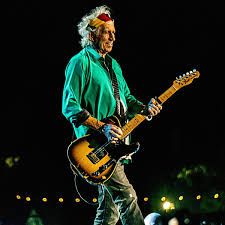
  • Keith Richards (The Rolling Stones)
  • Steve Cropper (legendary guitarist on some of the world’s best known soul recordings)
  • Jimmy Page (who recorded Led Zeppelin’s debut album entirely on a paisley telecaster)
  • Roy Buchanan (influencial sideman known as ‘the guitarists’ guitarist’s guitarist’)
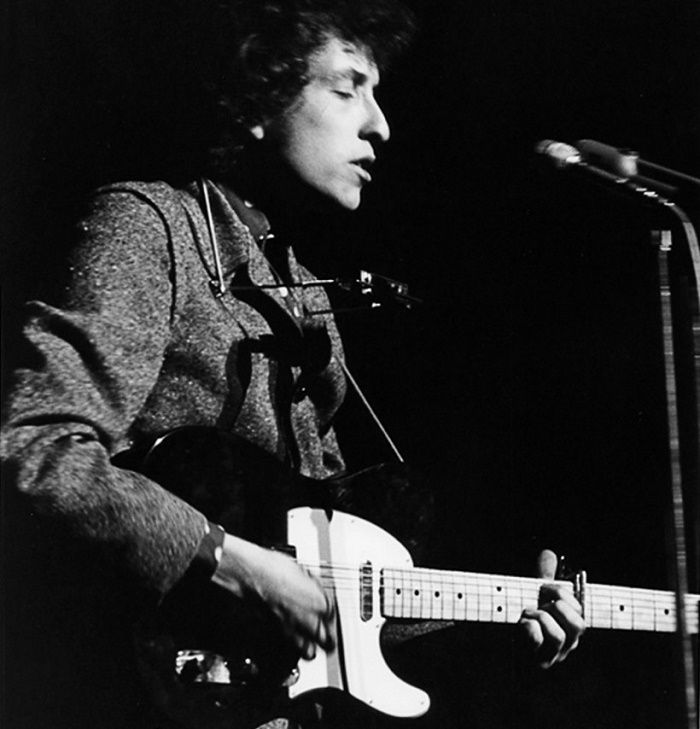
  • Bob Dylan (who infamously went electric at a folk festival by plugging in a Telecaster)
  • George Harrison (in the later years of The Beatles, including during their legendary rooftop concert)
  • Tommy Tedesco (legendary session guitarist)
  • Bill Frizell, Mike Stern & Julian Lage (amazing Tele-playing jazz guitarists)
  • James Burton (Elvis Presley)
  • Bruce Springsteen (The Boss)
  • Joe Strummer (The Clash)
  • PJ Harvey (lauded British singer-songwriter)
  • Andy Summers (The Police)
  • Graham Coxon (Blur)
  • Chrissie Hyde (The Pretenders)
  • Jonny Greenwood (Radiohead)
  • Rick Parfitt & Francis Rossi (Status Quo)
  • Muddy Waters & Albert Collins (blues legends)
  • Mike Campbell (Tom Petty and the Heartbreakers; Fleetwood Mac)
  • Tom Morello (Rage Against The Machine; Audioslave)
  • Waylon Jemnings (country legend)
  • Matt Bellamy (Muse)
  • Mike Bloomfield (blues & session guitarist who worked with Dylan, among others)
  • Jeff Buckley (revered singer-songwriter)
  • Anna Calvin (three times Mercury-nominated artist)
  • Richie Kotzen (Poison; Mr Big)
  • Jerry Donahue (insanely talented country-fusion string bender)
  • Brad Paisley (one of several amazing country guitarists wielding Teles)
  • John 5 (Marylin Manson; NuMetalist)
  • Jim Root (Slipknot)
  • Cornell Dupree (soul session legend)
  • Noddy Holder (Slade)

…and did you know Hendrix used a Telecaster (borrowed from his bass player, Noel Redding) to record the solo to Purple Haze?

It goes without saying that the above list is by no means exhaustive, and also that many of the artists listed above used other guitars. However, the vast majority of them relied on a Telecaster for their most seminal recordings or the bulk of their live work – as have so many others.

So why haven’t I?

I think I started off by buying a Stratocaster as my first proper guitar, and fell in love. I became a Strat Guy, and in many ways, remain one. It’s the guitar in the hands of many of my earliest guitar heroes and was the dream guitar of my teenage years. And as I have said previously, the Stratocaster is an incredibly versatile guitar. But I wonder if this has led me to overlook Telecasters as a result?

Perhaps it’s time to change that. Any recommendations for the best value Telecaster to buy? I’ve a few in mind, but I’d love to hear your thoughts.

And of course, if/when I eventually get to put a Tele through it’s paces, I’ll report back…

One to rule them all – which guitar is the best all-rounder?

Guitars & Gear

I an article earlier this year, I weighed-up which two guitars in my collection would be the ultimate top two – the two I could take along to any gig any be comfortable they would cover (almost) any style of music being played. This is especially useful for me at studio dates, where surprise requests can often occur, and I don’t usually have capacity to take my entire guitar collection along to every session!

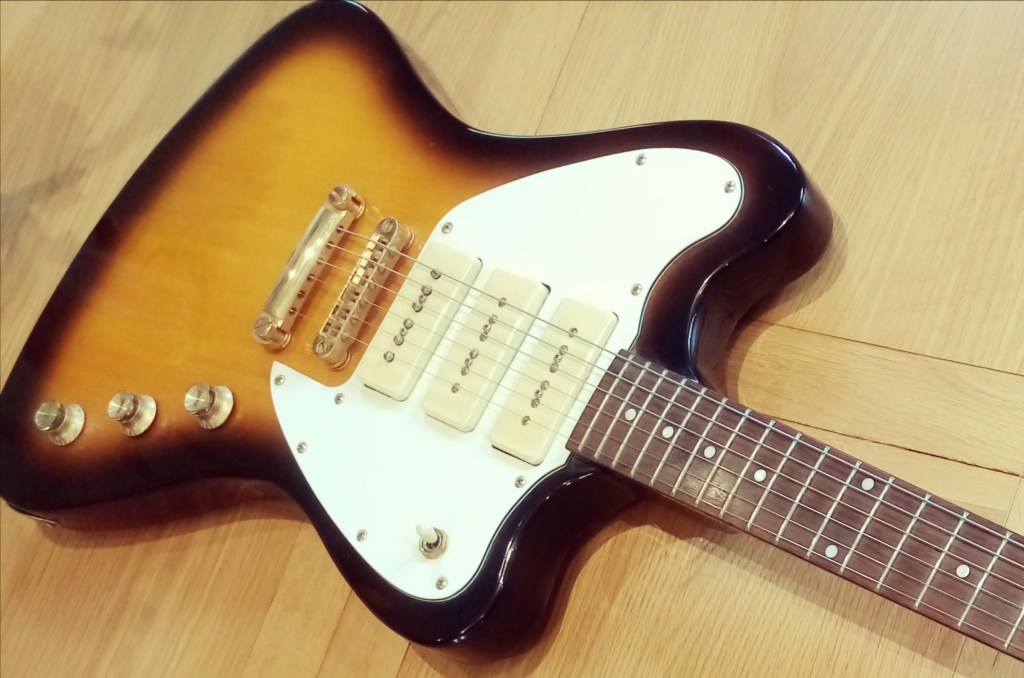
In the end, after examining different types of guitar (differentiated largely by their pickups), I concluded that – for me – one of my Stratocasters and a p90-type guitar (in my case this Gould Stormbird) made a winning combination in terms of tones and range of genres. With these two, I could cover everything from jazz and funk to classic rock and noisy indie, and everything in-between.

But what if you could only take one guitar out? Which one would it be?

In the original post, I sang the praises of the 335-type guitar, which only just missed out on making it into the ‘top two’. I love my own 335 copy, but I felt more confident taking a Strat to a gig with multiple (or unknown) genres on the go, mainly because the single-pickup solid body cleans up better, is far less prone to feedback onstage (especially when playing heavier styles), and offers more tonal options. Also, I think the fact that I’ve played Strats since I was sixteen likely played a part in my thought process. I sometimes take a job where I don’t know exactly what I’ll be asked to play until I arrive, so familiarity with an instrument I trust is crucial.

However, I might have been a little unfair to the 335, and feel like I’ve changed my opinion in the last few months. I’ve certainly been using one as my main guitar for 80% of my gigs this year so far, and it performed perfectly at my most recent studio bookings – but would I be happy with it as my only guitar for any gig?

Let’s look at the three types of guitar by pickup type again, with a summary of what I use them for, as well as a few examples of where I use them professionally.

Single-coil solid body guitars (Strat, Tele, Danelectro, etc)

Classic guitar tones – bright and clear with lots of twang or spank to their sound
Sound great overdriven, but retain some of their original character
Sit well in a mix with other instruments/guitars
Reliable, solid instruments which are easy to mod
Perfect for: pop, funk, country, blues, rock, indie
Can be noisy, especially in high-gain settings

P90 solid body guitars (Stormbird, Some PRS models, some Teles, etc)

Beefed-up version of a classic single-coil sound
Beautifully warm, yet still clear, distorted sound
Great ‘best of both worlds’ between a single-coil and humbucking pickup
Covers most styles (but volume has to be rolled back slightly for cleaner sounds)
Can be very noisy in certain settings

Humbucker solid body guitars (Les Paul, SG, PRS)

The classic overdriven guitar sound, warm but aggressive
Warm, full sound for jazz (with the volume rolled back a little)
Perfect for: Rock of all types, jazz and blues
Not as good as single-coils for those iconic glassy clean sounds

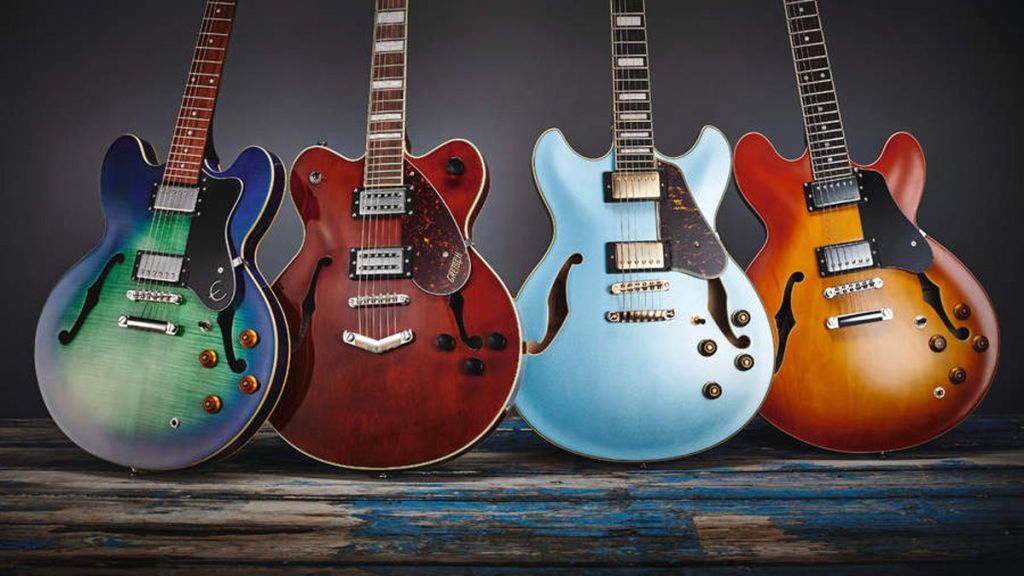
Humbucker semi-hollow guitars (335, Elderwood, etc)

A humbucking guitar with a slightly airier sound
Lighter than a Les Paul (to save your poor back!)
Capable to playing most styles imaginable
Perfect for: jazz, funk, soul, blues, classic rock
Neck & Bridge pickups together gives a wonderful funk tone
Prone to feedback onstage, especially in higher-gain settings

Picture credit: Music Radar

Final thoughts

Which would I choose? I still couldn’t say for certain. It depends so much on the gig in question, but if I wasn’t sure what I was going to asked to play, I expect it would be the Strat or the 335 I’d be reaching for. I guess it comes down to a choice between a solid body or (semi) hollow bodied guitar; whether I’m seeking the thicker snap of the Strat, or the airier sound of the 335.

And of course, bear in mind that we’ve only been discussing electric guitar options here – if I was really unsure about the requirements for a studio date, I’d have an acoustic packed into the car too!

But what about you? Obviously, what works for me doesn’t necessarily work for everyone, which is why I’d love to hear your thoughts – get in touch!

No room for Show Ponies – Could you manage all of your gigs with just two guitars?

Guitars & Gear

And if so, which two?

When looking up reviews if new guitars, I often come across the acronym GAS, or Gear Acquisition Syndrome. This humorous shorthand phrase sums up the seemingly inante drive in many guitarists to buy more equipment, from amps and effects pedals to, of course, guitars.

But how many guitars do we really need? Can one setup (be that one guitar, plus a backup, or two guitars used equally) be used in a wide variety of styles and genres?

For many guitarists working in more than one band, this feels like an impossible question – perhaps only slightly easier to answer than asking what one guitar would easily cover all bases for every type of gig you play?

Let’s work on the assumption that most players cross genres in one way or another, and begin with a few opening questions…

How many different genres do you play? And how varied are they?

If you only play one style of rock, metal or punk, then this might be quite simple. Similarly, if you rarely stray out of jazz or soul, you likely have couple of guitars which provide all the sounds and textures you are looking for, and fit the sound of your groups quite well. But what if you’re expected to hop from one extreme to another on different gigs – or even (such as some cruise ship or theatre pit musician gigs) in the course of one gig? Do your guitars cover as many options as possible?

Which guitars in your collection are the most practical?

For most of us, stage space is at a premium, so it’s unreasonable (and widely impractical) to bring four or five guitars to an average show.

Most of the working musicians I know (myself included) soon find themselves reaching for the same two or three guitars in their armoury, confident that these instruments deliver the goods time and again at any gig they bring it to. These instruments are usually well set up and hold their tune reliably, and are often not the most expensive or luxurious instrument option. As lovely as that vintage jazz hollow-body from the 1930s is, it only really does one sound well, and the rest of the time would be sitting there waiting to get knocked over and damaged beyond repair! (it probably feeds back like no one’s business in a live setting, too!)

To sum up, a few questions to consider…

Could this guitar play an entire show?

Is it reliable & comfortable enough to play for long periods of time?

Am I crippled with fear of it getting damaged?

These are the factors we have consider in making a choice such as this. Now let’s look at some of the obvious contenders…

Single-coil guitars (e.g., Stratocaster or Telecaster)

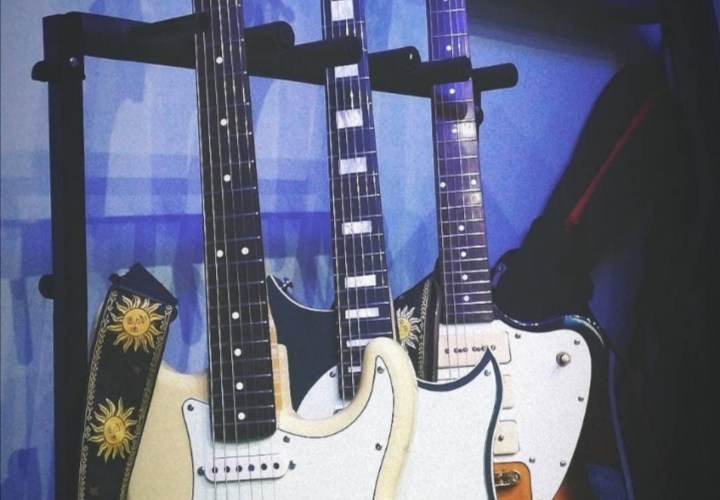
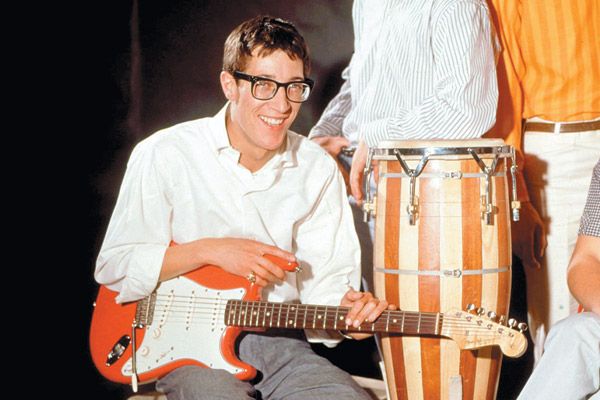
Generally the lowest output pickups (although there’s a world of variations out there), single-coils have been fitted as standard on Fender Stratocasters and Telecasters since they first appeared on the market in the early 1950s. Played clean, these have a wonderful clear sound, and with a little push from the amp or overdrive pedals, breakup beautifully. They aren’t best suited to heavier styles of music, but they perform brilliantly in almost everything else. Think of Buddy Holly and Hank Marvin inspiring millions of future guitar players with the original Strats, as well as the countless players who pushed the instrument beyond expectations such as Jimi Hendrix. For blues, look at Buddy Guy’s searing attack or Stevie Ray Vaughn’s much-too-imitated blues sound (pushing the neck pickup of his Strats through a Tubescreamer pedal)…

Telecasters have had a similarly lasting effect on music history, from the early country musicians and Dylan ‘going electric’ with one in 1965, to it’s emergence as a reliable solid body jazz instrument and the soulful stylings of Stax and Blues Brothers legend Steve Cropper. And let’s not forget that the Telecaster was often the unsung hero in the studio, used on more sessions and hit records than you might imagine – Jimmy Page used one to record pretty much all of Led Zeppelin’s debut album!

Of course, there are far more than Strats and Teles in the world of single-coil guitars. Danelectro make use of their unique ‘lipstick’ pickups, as well as all the weird and wonderful guitars which came out of Japan and Eastern Europe during the 1960s and 1970s. But the guitars made by Fender were by far the market leaders this area, and even if it’s not a Strat or Tele on that record you love, if it’s a single-coil sound, it’s most likely inspired by one.

I’ve been a Stratocaster player since I was sixteen years old, using them for everything from funk & soul to classic rock, with loads of blues and indie-rock in-between. It’s hard to keep count, but I’ve probably had at least ten different Strats in my possession (not all at the same time, I hasten to add!), and I keep coming back to them for a number of reasons, but that clear single-coil sound is chief amongst them.

Both of my current Strats are fitted with alnico iii (3) magnets, like the very first Strats produced in 1954 (although they soon switched to Alnico V and have stuck with them ever since). The 3’s are slightly lower output and vintage sounding, breaking up nicely through a slightly driven amp, and still retaining crisp clarity when paired with a classic Marshall overdrive sound. One of them (the orange one, above right) also features a button to engage the neck and bridge pickups at the same time, giving me the so-called Tele mod, and allowing me the sounds of both guitars in one. A lot of my function gigs in recent have involved numerous switches in musical style, and these two guitars do a great job of handing whatever I throw at them.

Humbucking guitars (e.g., Les Paul, SG, 335)

Humbuckers are, in essence, two single-coils wound together. The two magnets combined create a higher output sound, and their opposing polarity cancels out the 60-cycle hum which occurs in single-magnet pickups, hence the name hum-bucker. These two factors make humbuckers ideal for heaver guitar sounds, from classic rock to metal and beyond. The original humbuckers tended o sound a little ‘dark’ at lower gain settings, but this (along with their inherent noise-cancelling properties) made them an ideal choice for jazz guitarists, and they remain so to this day.

Semi-hollow guitars (such as the 335 style Harley Benton, below left) offer a great hybrid for playing jazz, funk and soul, as well as dirtier blues, rock, pop and indie.

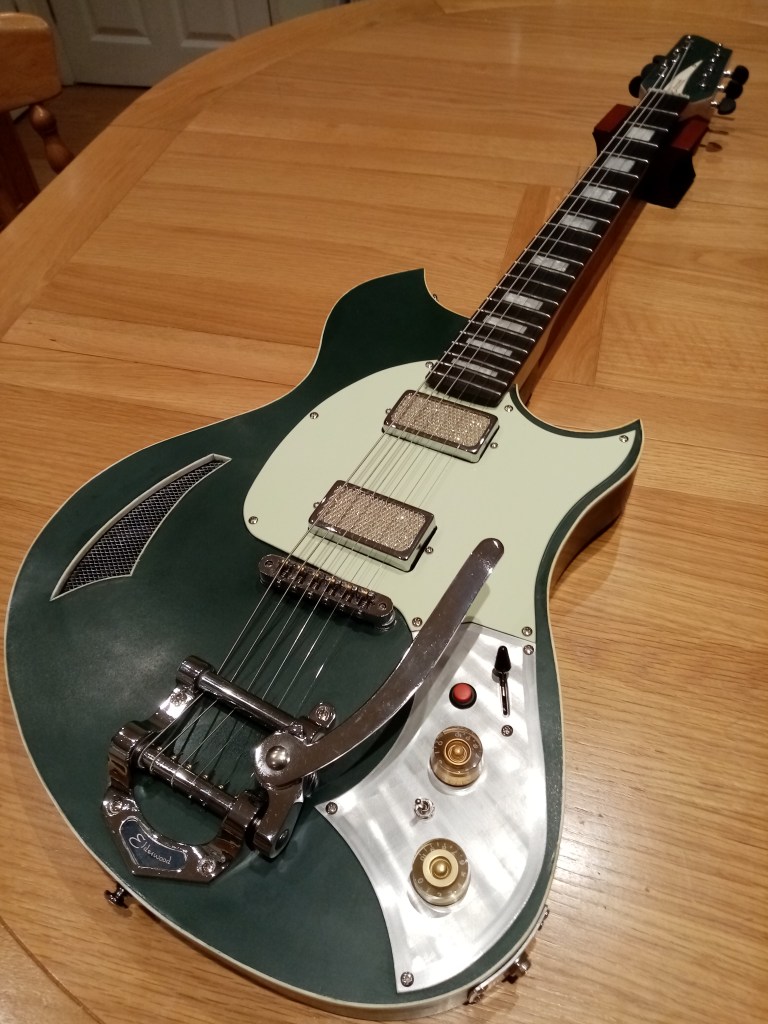
Both of my humbucker-equipped guitars (the Harley Benton and my custom Elderwood, above right), have the option to split the coils, giving a single-coil sound when needed. This is a really useful option, although the split sound is a little too ‘thin’ sounding to use too often; sometimes it’s better to wind back the volume slight on a full humbucker, or find a pickup that’s a good halfway point between a single-coil and humbuckng pickup…

P90 guitars

P90s sit somewhere between the clarity of a single-coil and the power of a humbucker, meaning that they can be a useful cover-all option for gigs that require both heavier and gentler sounds. With careful listening and judicious use of the volume control, you should have the full gamut of sounds available. It’s also worth noting that quite a lot of the classic pop & rock music you love was in fact recorded with p90-equiped guitars – although that’s a story for another time…

I have a triple p90 Gould Stormbird (a copy of a non-reverse Firebird with Entwhistle pickup) which acts as my main guitar for one of my original projects (dirty psychedelic funk), as well as the backup to my Strats and humbucking guitars, at a range of shows. These pickups clean up wonderfully and can produce enough grit for the styles of music I regularly play.

One of the main drawbacks to a p90 is that they can be quite noisy, even more so than with single-coil pickups, due to their increased output. This is especially apparent in venues with lots of mixed lighting circuits (such as stage lights with timers and dimmers), so you have to be ready to mute your sound between songs. Is it worth it? In my opinion, yes. I currently only have one p90 guitar, and it’s become so essential to my rig that I need to look at getting another p90 guitar to act as a spare in case anything goes wrong with this one…

So what are my ultimate two?

Let me start by saying I think every guitarist should at least try out a 335-style guitar. They are incredibly versatile and comfortable instruments, capable of covering a wide range of bases. If I was ever in the position where I could only take one guitar to a session (be it live or in the studio), I think a 335 (or in my case, the HB-35 Plus) would be my safest bet.

However, in terms of covering the most styles possible while remaining comfortable and reliable, I would choose one of my Strats and the p90-loaded Gould. Between these two guitars, I can go from clean to quite heavy, with a high degree of note clarity, and little (if any) risk of onstage feedback. Both axes are well built and well setup solid bodied instruments that rarely present any issues while working. Although I’m sure I’d find myself missing the 335 before too long…

Final thoughts

Of course, these are my opinions, based on my own experience and current work. As always, I’d love to hear from you – what two guitars would you take out as your cover-all-bases setup?

Great Guitarists #14: BB King

Great Guitarists

Amongst the most famous blues guitar players, there are the so-called Three Kings of the Blues. All unrelated despite the shared surname, these three guitar players helped to define the sound of modern blues guitar.

We have already looked at Albert King and how his unorthodox technique and biting sound left a huge influence on later guitar megastars such as Jimi Hendrix, Buddy Guy and Stevie Ray Vaughan (to name just three). This time, we will focus on the man who is – quite probably – the most influential blues guitarist of all time: B.B. King.

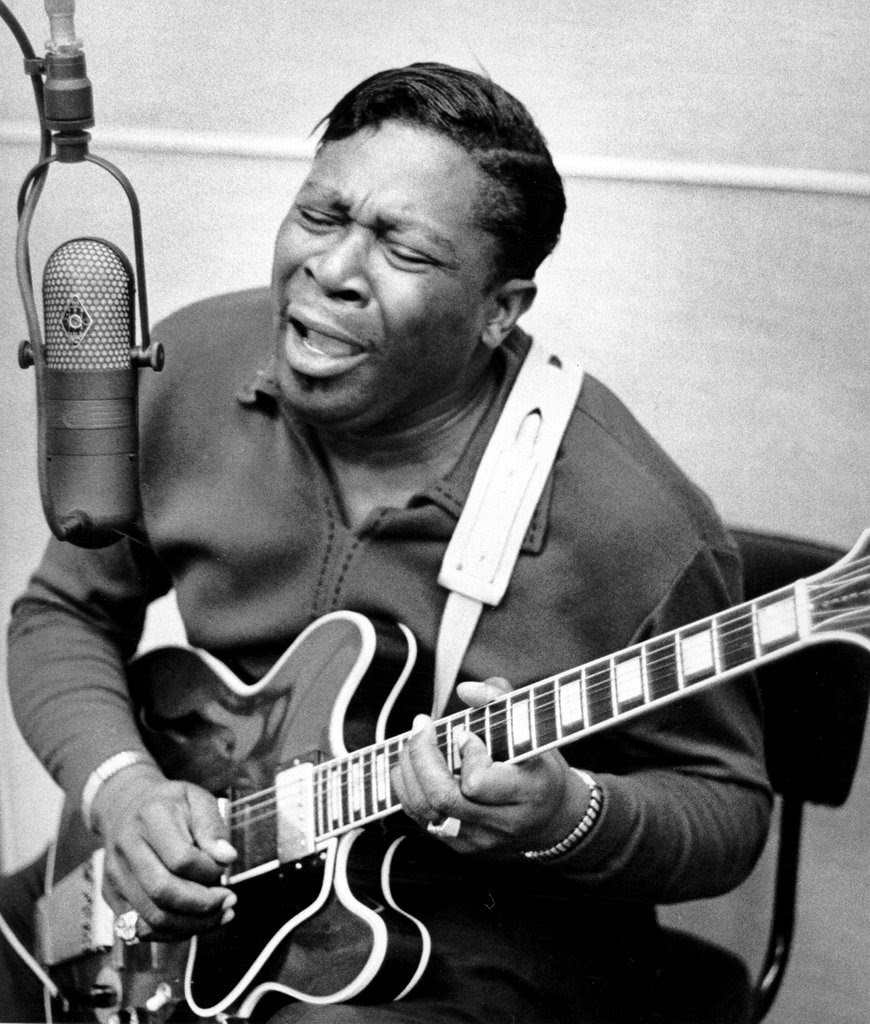
Much of King’s influence is indirect, but the vast majority of guitar superstars in the 1960s and 1970s owe a debt to this man’s melodic and simple, yet incredibly emotional and effective, style of lead guitar playing. He was also a brilliant singer, working in duet with his own guitar playing, like the singer-guitarists of the early blues period, but bringing the genre into the modern electric era with a wonderfully soulful edge.

(Credit: Mike Moore)

Early years

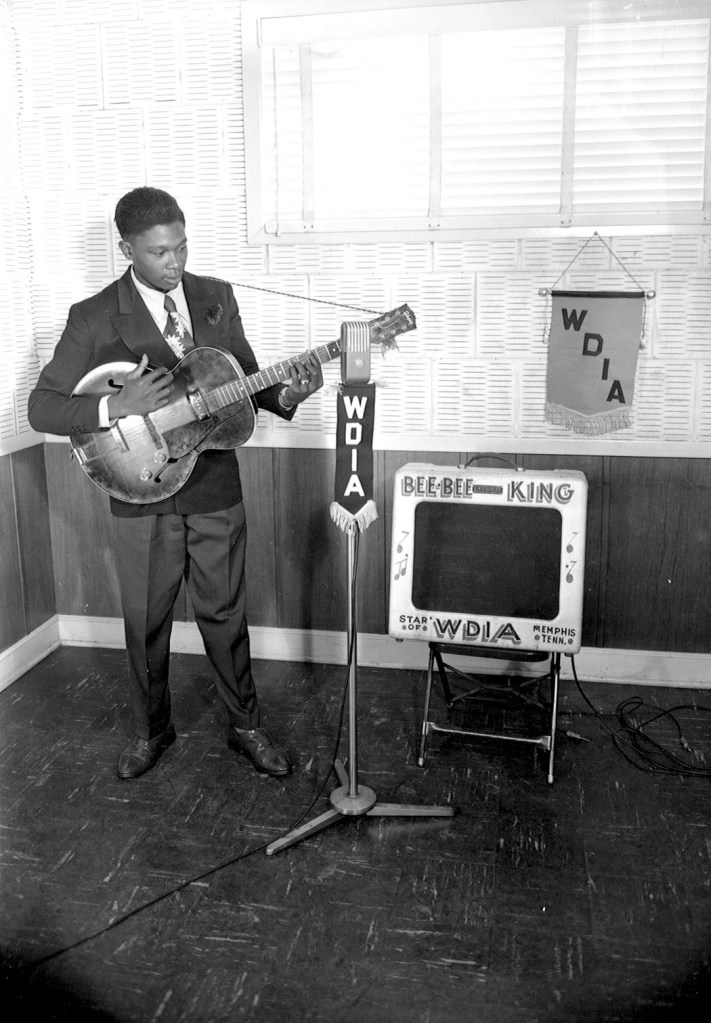
Riley B. King was born on the 16th of September, 1925, on a cotton plantation in Leflore County, Mississippi. In his teens, King sang in a local gospel choir and learned his first few guitar chords from the preacher at his church. He spent his late teens working as a tractor driver and as a guitar player for a popular touring choir, performing at religious services across Mississippi. But after hearing Delta Blues on the radio, King aspired to become a radio musician. Following a move to Memphis, King began to realise this dream, performing on various radio shows and eventually landing his own on the station WDIA. Here he soon garnered the nickname “Beale Street Blues Boy”, which was shortened to “Blues Boy”, eventually becoming the “B.B.” he was known by for the rest of his career.

It was during his stint at WDIA that King first met T-Bone Walker, later stating “Once I’d heard him for the first time, I knew I’d have to have [an electric guitar] myself”. Aside from the Delta Blues and T-Bone Walker, King’s early blues influences were singer-guitarists such as Blind Lemmon Jefferson and Leadbelly. He was also influenced by early jazz guitarists Charlie Christian and Django Reinhardt.

What these players had in common was a knack for beautiful single-line guitar melodies, and an ability to work with singers and other instrumentalists in a ‘question and answer’ style which King would later perform with himself, singing his songs and responding to his vocal lines with a guitar lick.

Finding success

King became popular on the Beale Street blues scene in Memphis, performing with other well-known acts of the time, such as lifelong friend Bobby Bland. He cut some early records with Sam Phillips, who later founded Sun Records (and discovered Elvis Presley), but these did not chart too well. However, he soon had a number one record on the Billboard Rhythm & Blues chart with 3 O’clock Blues in 1952. This was followed by a run of successful blues singles which helped King become a well-known name on the national blues touring circuit.

During the 1960s, King received the nod of approval from a singer he much admired, Frank Sinatra. Sinatra had arranged for King to play at the main clubs in Las Vegas. King credited Sinatra for opening doors to black entertainers who otherwise were very rarely, if ever, given the chance to play these venues.

Water from the white fountain didn’t taste any better than from the black fountain

BB King, quoted in Esquire, 2006

By the end of the 1960s, groups associated with the so-called British Invasion (see below) allowed King to reach a larger audience than before, through exposure to white audiences. This included opening for The Rolling Stones on their US tour of 1969.

BB King never abandoned the blues. But his biggest breakthrough hit, The Thrill is Gone, released in 1969, showed that the blues could be framed in a more modern, funk & soul-based setting that left room for King’s equally soulful singing and lead guitar voices. Although the song had been written in the early 1959s, King’s rendition, the first time he incorporated strings into his arrangements, earned him a Grammy Award for Best Male R&B Vocal Performance in 1970 and became his signature song.

The 1970s saw King release similarly soul-blues singles such as Hummingbird and I Like to Live the Love. For the latter of these songs, the studio version of which feels like a classic soul record, but here’s a slightly faster version from a concert King gave in Zaire (now known as The Democratic Republic of the Congo) in 1974 – look out for legendary session guitarist Larry Carlton on backing guitar:

Video credit: GravyLimited/YouTube

King’s music included elements of funk, soul, gospel and jazz, all combined to create a unique style which many bluesman continue to emulate to this day. By the 1980s, King was already an Elder Statesman of the blues, and the LPs he released over the decades from here until his passing in 2015 were largely albums of duets, featuring a veritable Who’s Who of stars from the world of the blues and beyond.

Influence

Early on, King transcended his musical shortcomings — an inability to play guitar leads while he sang and a failure to master the use of a bottleneck or slide favored by many of his guitar-playing peers — and created a unique style that made him one of the most respected and influential blues musicians ever.

LA Times obituary of BB King, 2015

Although his urbanisation of the blues brought forth some detractors, King’s economy of style proved influential on many of his peers, not least the generation of guitar players who followed him, such as Buddy Guy. Jimi Hendrix was also a big fan of King, incorporating some of his licks into his eclectic vocabulary of psychedelic blues playing.

However, King’s greatest influence came from across the pond in the United Kingdom. While blues artists were not getting much airtime on mainstream radio in the US, young guitar players in Blighty were eager to snap up any blues records which came across the Atlantic. The resulting generation of guitarists redefined the sound of the blues, taking their bands back across to the US and finding great success. Groups such as The Rolling Stones (with guitarists Keith Richards, Brian Jones and later, Mick Taylor, who who displayed BB King’s influence the most overtly), The Yardbirds (which featured, at varying times, legendary guitarists Eric Clapton, Jeff Beck and Jimmy Page) and Fleetwood Mac (Peter Green) were just some of the British bands who followed the success of The Beatles, and helped US audiences rediscover their own elder statesmen of the blues, such as King.

Yet King’s influence didn’t end with the generation which followed. He recorded the rock-based duet When Love Comes To Town with U2 on their 1988 album Rattle and Hum. The arena-filling bluesman of the moment, Joe Bonamassa, puts his success down to a meeting with King when he was just twelve years old, leading the young guitarist to act as an opening act for King, from which he has grown an illustrious career of his own. The groove from King’s 1970 song Chains and Things was a huge inspiration for Gary Clark Jr. The track was also sampled by hip hop artists such as 50 Cent and Ice Cube.

Credit: BB King Official YouTube Channel

Looking back from the history of guitar, blues or otherwise, from the mid-20th century to date, you’d be hard-pressed to find a guitar player who doesn’t owe King a debt f thanks, be it directly or indirectly. It has even been said that a young Elvis Presley was a fan, long before he helped create a newer, uptempo version of the blues known as Rock’n’Roll…

Equipment

All this passion and soul, not to mention influence, from a disarmingly simple setup. Although early photos sometimes show King playing a Gibson ES-5, most of initial singles with RPM were in fact recorded on a Fender Esquire, the forerunner to the Telecaster.

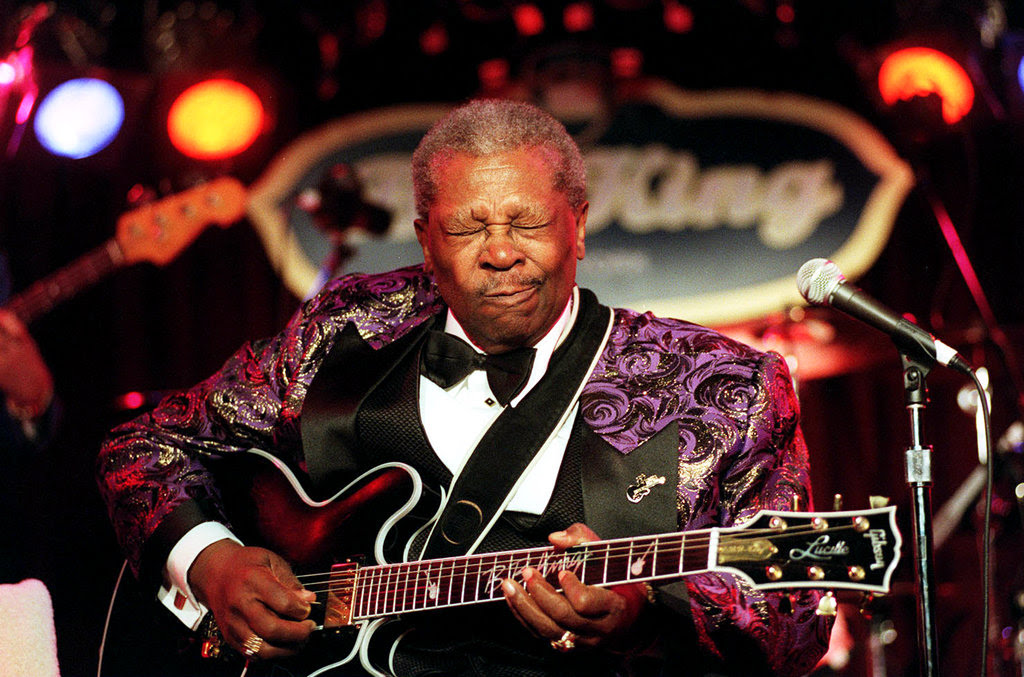
However, by the 1960s, King had switched to the guitar he is most associated with, the Gibson 335.

(Credit: Gibson)

The semi-hollow design allowed space for King’s lead lines to ‘sing’ a little.more freely, but in an era of loud onstage volumes, it also meant the guitar was prone to feedback. To counter this, King used to stuff the f-hole with material to cut down on feedback. Eventually, Gibson began making him his own signature model 335 without f-holes. All of these guitars have since been known as Lucille, following an incident where a fire was caused at a show, all started over a woman of the same name.

For amplification, King favoured the sound of a Fender Twin. King has stated his belief that Fender amps were “the best ever made”, in terms of sound and durability.

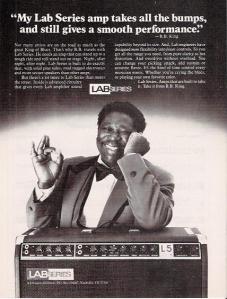
During the seventies and eighties, King also used a Lab Series L5 2×12″ combo amp. This was probably an upgrade of sorts on the Twin, while still retaining the tone King loved and was renowned for.

Recommended listening

There are plenty of records to choose from, spanning the entirety of King’s long career. You won’t go wrong with any of his releases, but for a taste of his early singles, check out The Modern Recordings: 1950-1951. These tracks (including rare alternate takes of his original 45rpm releases) most strongly showcase the jazzy influence of T-Bone Walker in King’s melodic guitar playing.

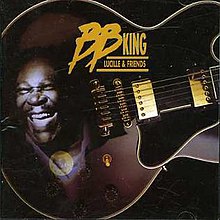
In terms of King’s collaboration albums, there’s plenty to choose from. Lucille and Friends (1995), Deuces Wild (1997) and B.B. King & Friends: 80 (2005) feature a wealth of well produced blues duets with the cream of the rock and blues worlds, recovering songs from King’s repertoire. King also recorded albums of Louis Jordan covers, as well as records and live albums with the singer Bobby Bland. However, his 200p release with Eric Clapton, Riding With The King, shows both guitar players on top form.

However, the quintessential B.B. King record, and one that I believe is essential listening for any blues guitarist, is his 1965 release Live At The Regal, a concert recording from a show at The Regal Theatre in Chicago on the 21st of November, 1964. Hailed as one of the greatest blues albums of all time, this record showcases King at his finest, and is one of the records which helped to shape me as a guitarist. Highly recommended.

As always, I’d love to hear your thoughts. King was a prolific live performer, so if you were ever lucky enough to see the master at work onstage, do get in touch to share your experiences. Until next time…

Harley Benton HB-35 Plus Top Semi-hollow Guitar Review

Guitars & Gear

At the end of last year, I acquired a new second-hand guitar. It even shipped with a hard case included as part of the sale! The guitar in question is a budget 335-style copy, made by Harley Benton, the in-house grand for the German musical instrument retailing giant Thomann. Or rather, I should say the Harley Benton HB-35 Plus

What does plus mean?

Harley Benton already have the HB-35, their budget version of a 335-style guitar. Selling for just £175, they get good reviews and are an affordable way to try out Semi-hollow guitars for the first time. The HB-35 Plus retails at approximately £220 new, but has features which mark it out as a considerable upgrade on it’s cheaper sibling.

So what does that extra £45 get you? Block inlays, for a start, which look very classy. You also get more specialised vintage-voiced humbucking pickups (which can be split for a single-coil sound) and an arched maple top (hence the plus top moniker) in fancier colour options, such as the lemon drop colour reviewed here.

Image from Harley Benton’s website – note the original placement of the pickup selector

I love this colour, which appears more of a light orange-yellow to my eyes.

Furthermore, it seems that the nut is slightly more narrow (42mm to the original HB-35’s 43mm) and a slightly more curved fingerboard (12″ radius, compared to the older model’s 13.5″ or thereabouts), making this guitar feel a little more like the classic ‘jazz boxes’ of old.

Specifications & build quality

Having bought this guitar from another player, I received an instrument which had already been set up, and indeed, modified. This means I don’t know how this guitar would have arrived ‘from the box’, although I hear that like most guitars, a simple set up would be enough to get it in shape.

The guitar I received felt well balanced across the fretboard and is really comfortable to play. The classic Gibson scale length feels familiar and the neck is comfortable in my hand. In fact, it feels like they have copied the dimensions of the classic 335 very closely, which is no bad thing.

What’s more, the previous owner had moved the pickup selector switch from the top shoulder (where you would find it on a Les Paul) to a sit with the other controls, which is much more typical on a 335-style guitar. The only negative is that the original hole is still there (it was covered with a giant sticker when it arrived, which I quickly and carefully removed).

Here are the full specs of the guitar, according the Harley Benton:

  • Semi-hollow design with mahogany sustain block (Entandrophragma cylindricum)
  • Maple body with AAAA flamed maple archtop
  • Set-in maple neck
  • Pau Ferro fretboard with block fretboard inlays
  • Fretboard radius: 12 inches
  • 22 medium jumbo Frets
  • Scale: 24.75 inches
  • Nut width: 42 mm
  • 2 Roswell LAF Alnico-5 vintage-style humbucker pickups
  • 2 Volume controls with push/pull function for split coil
  • Individual tone controls for each pickup
  • 3-Way pickup toggle switch
  • Tune-O-Matic bridge

The main thing on my list to change, and indeed the only upgrade I feel this guitar needs, is to swap the plastic nut for one made of bone. I’ll probably get round to doing this later in the year, and for now it’s working fine and holding its tuning well.

How does it sound?

Before even plugging into an amp, this guitar sounds good (and surprisingly loud) completely acoustic, which is useful for playing at home.

Plugged in – it sounds exactly as a 335 should.

Played clean, single notes and chords ring out loud & clear, sounding even across the entire fretboard. The pickups, combined with the tone controls, allow for everything from jazz and blues to soul, pop, country and an almost Gretsch-like Chet Atkins vibe. Using the push-pull volume to split the humbuckers down to single-coils beings out an airier version of a Telecaster sound.

Throwing a little overdrive in makes this a very enjoyable guitar to play. As well as offering grittier takes on all the styles and sounds mentioned above, you also get some of the best classic rock tones out there. Add more distortion and it continues to sound very good and play incredibly well. The semi-hollow body allowing gentle feedback which helps add to note sustain.

Putting the HB-35+ through it’s paces at home

This guitar not only took any style I threw at it in its stride, but excelled across the board, even in higher-gain settings. Admittedly, I don’t play the more extreme metal genres, but even then, if you can work out the likely feedback issue, I have a feeling this guitar would surprise you…

Does it hold up well at live shows?

Since acquiring this guitar at the end of autumn last year, I’ve gigged it pretty regularly. It performed brilliantly when I put it through its paces at a recent soul review show, covering Steve Cropper style licks and jazzier solos and choral work. With one of my main covers acts, this quickly became my first choice guitar, covering everything from jangle and early 60s pop to classic rock, punk and Britpop, all in the space of one show. It is comfortable both to play and also to wear standing up for two hours.

Ask most professional session guitarists what the best ‘cover all bases’ guitars are, for studio work and live, and they will probably tell you to have a 335 handy. Obviously, this applies to any decent 335-style guitar, if not the gold standard Gibson original. But it certainly makes sense to snap up this significantly cheaper tribute, especially when it looks classy sounds fantastic and plays so well. It may be that they take a little post-purchase work to reach the decent playing standard I seem to have, but in my opinion, it’s worth it.

This guitar is quickly becoming a firm favourite in my small stable of electric guitars (which includes Stratocasters, a triple P90 non-reverse Firebird copy, and my other, less traditional semi-hollow). In fact, it’s already become my main guitar for covers gigs, playing weddings and corporate functions.

Final Thoughts

This guitar surprised me. I’d heard really good things about Harley Benton, but I still wasn’t prepared to be blown away as much as I was by this guitar. I’ve used it in various settings and with several different acts in the last couple of months, covering styles from Kuti to Kasabian and BB to The Buzzcocks, and I’m very impressed with how it’s handled everything I’ve thrown at it.

Nowadays, the term ‘budget guitar’ doesn’t mean the same as it did twenty or even ten years ago, and shouldn’t arouse the kind of stigma which cling to those older, poorly constructed guitars. The quality on this instrument is very high, and I can’t stress enough just how fantastic those Roswell pickups sound!

After years (decades, even) of using Stratocasters as my main go-to guitar while others have come and gone from my collection, I might have found another guitar that I love just as much. I might even have to buy another of these, just in case something happens to this one – which at this price point, is an affordable prospect.

Highly recommended. Go and give one a try now.